
Construction Finance in Adelaide: What Changes in South Australia
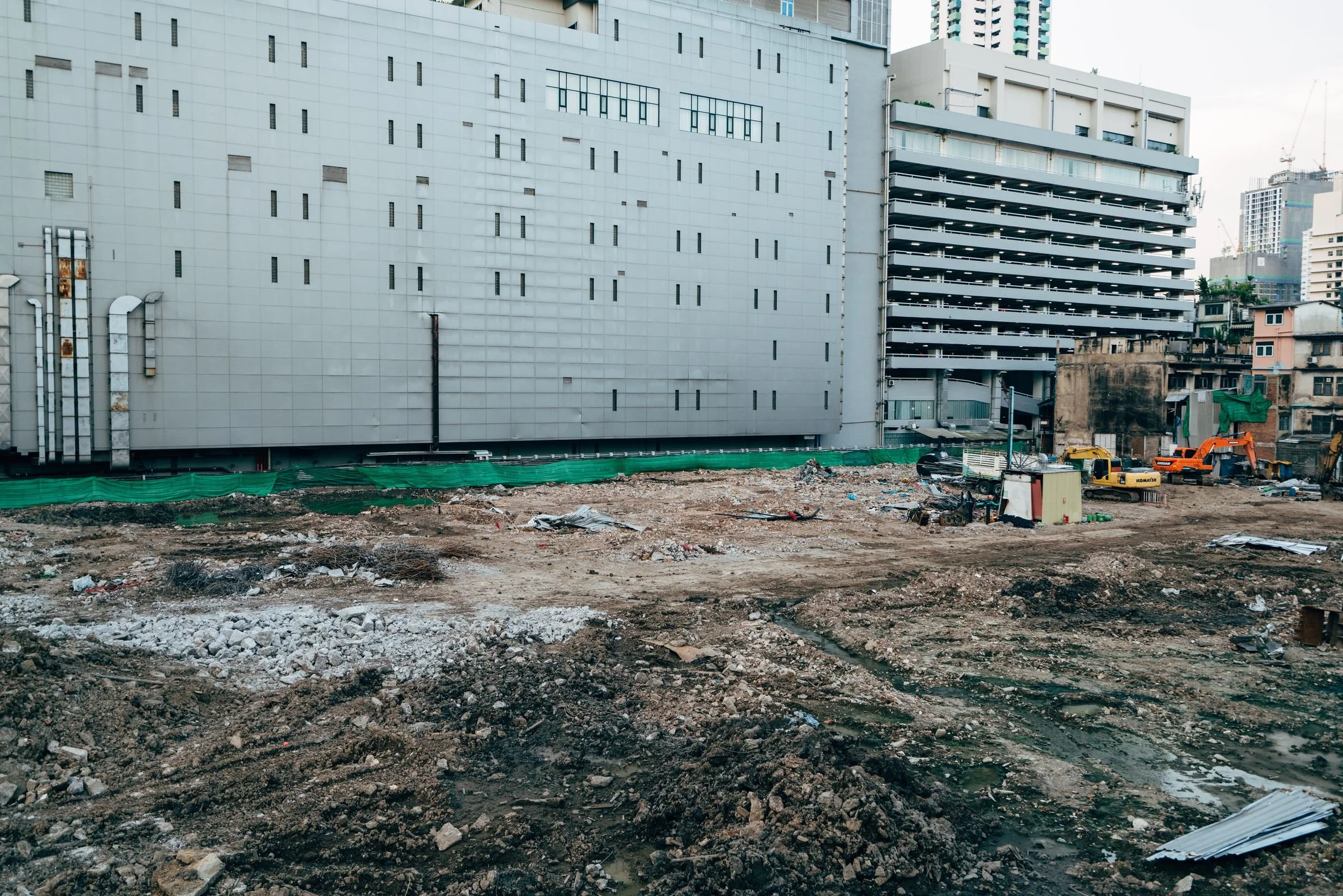
How PlanSA approvals, building indemnity insurance and licensing decide when an Adelaide construction loan can draw, for self-employed builders.
 Construction Hub
Construction Finance Adelaide · Building Indemnity Insurance · PlanSA Approval
In Adelaide the insurance certificate, not the loan offer, decides when building work can start. A construction lender can approve your file, but the first drawdown waits on full development approval, a licensed builder and, on domestic work, building indemnity insurance. Here is how South Australia's own rules line up against the loan.
Quick Answer
Self-employed builders and small developers can get business-purpose construction finance in Adelaide, but in South Australia the lender usually waits for full development approval and, on domestic work, the building indemnity insurance certificate before releasing the first drawdown. Get the approvals, the builder's licence and the insurance lined up early and the development finance itself is rarely what holds the project up.
Also called: construction loans Adelaide, development finance Adelaide, building finance South Australia. Same lending, local vocabulary: builders tend to say construction finance, developers say development finance.
Can a self-employed builder or developer get construction finance in Adelaide?
A self-employed builder, owner-builder or small developer can get construction finance in Adelaide. Building to sell, to lease or for premises the business will use is business-purpose lending; building a home you will live in is a regulated home loan, assessed differently. Major banks, non-bank lenders and specialist funders all lend on South Australian builds, and the product is the same construction finance you would find in any other state. What differs is the paperwork that has to exist before the money moves.
The lender's credit decision looks at the usual things: your business financials, the land, the cost to build, the end value and how the loan gets repaid. Where this commonly lands for a self-employed borrower is the evidence of income, not the property, and that part is no different in Adelaide than in Brisbane or Perth. If you are building a home for yourself on an ABN income, the self-employed construction loan guide covers how lenders read that file.
The South Australian layer sits on top. Development approval through PlanSA, a builder licensed by Consumer and Business Services, and building indemnity insurance on domestic work all have to be in place before a lender will release construction funds. None of them is a lender rule, but every lender asks for the evidence. Projects outside metropolitan Adelaide follow the same state rules, with the extra valuation questions covered in the regional property finance guide.
How do PlanSA approvals shape when a lender will fund?
PlanSA approvals decide when a lender will fund because, in practice, construction lenders want full development approval before the first construction drawdown. In South Australia that approval is made up of planning consent, building consent and development approval itself, with land division consent added where the project subdivides land. The state's planning portal puts it plainly: before undertaking development in South Australia, you must get approval.
- Planning consent. The proposal is assessed against the Planning and Design Code: land use, siting, height, setbacks and design.
- Building consent. The plans are assessed against the building rules for structure, fire safety and the like.
- Land division consent. Needed when the project creates new allotments, such as a battle-axe block or a small townhouse subdivision.
- Development approval. Issued once every required consent is in place. This is the document that lets work start.
Can a lender fund on planning consent alone?
Lenders can sometimes fund the land, or a land component, on planning consent alone, but construction drawdowns usually wait for full development approval. Planning consent tells a lender the project is allowed. It does not tell them the building has been certified or that work can lawfully begin. From the underwriter's seat, a loan that funds a slab before building consent has issued is a loan exposed to redesign, delay and cost blowout, so most credit teams simply will not do it.
That is the first place timelines slip. If you are buying the site before approval, the gap between settlement and full approval needs its own funding plan, and the property development finance guide sets out how lenders stage land and construction. Smaller projects, such as two to four dwellings, are covered in the small-scale development finance guide.
Why does building indemnity insurance matter to a construction lender in South Australia?
Building indemnity insurance matters to a construction lender because, on domestic building work that needs development approval, the work cannot lawfully start until the policy is in place. South Australian law requires the builder to hold the insurance, and the certificate of insurance has to go to the owner and to the council before work begins. No certificate, no start. No start, no first drawdown.
The trigger is the value of the domestic building work. At the time of writing, the threshold is $20,000, raised on 10 November 2025; some older guides and government page summaries still quote the previous, lower figure, so check the state's building indemnity insurance guidance before you rely on any number. Cover is available through the government-backed scheme and private insurers, and the builder has to qualify for it.
This is why lenders ask for the insurance certificate before work starts, alongside the building contract. It protects the owner if the builder dies, disappears or becomes insolvent before the job is finished, and that protection is part of how a lender gets comfortable that a half-built house can still be completed. Commercial buildings and work below the threshold sit outside the scheme, so on those jobs the lender leans harder on the builder's own track record and financial position.
Who pays for building indemnity insurance on a South Australian build?
The builder takes out building indemnity insurance on a South Australian build, and the premium is usually built into the contract price. When a lender reviews your fixed price contract, it should be clear the insurance has been allowed for, or the shortfall lands on your funds to complete.
With approval and the insurance certificate lined up, you can check eligibility before the builder sets a start date.
What changes for an owner-builder in South Australia?
For an owner-builder in South Australia, the big change is that you cannot take out building indemnity insurance for your own work. The scheme exists to protect owners against builders, and an owner-builder is both. Any licensed contractor you engage for work at or above the threshold still needs a licence and their own insurance.
Builder-led build
- Licensed building work contractor signs a fixed price contract
- Builder holds the insurance and the certificate goes to owner and council
- Lender has a clear party to complete the job
- Widest choice of lenders and loan structures
Owner-builder build
- No building indemnity insurance for your own work
- Lender carries the completion risk itself
- Narrower lender appetite, often a smaller loan against cost
- Repeat building to sell can make you a contractor in law
That last point catches people. Anyone who sells or rents two or more buildings they built within five years is presumed to be a building work contractor, which brings licensing and insurance obligations with it. If you are a tradie building your first few townhouses to sell, the rules that apply to a one-off owner-builder may not apply to you for long, and a lender reviewing your second project will want to know which side of that line you sit on.
Lender appetite for owner-builders is narrower everywhere, and the owner-builder construction loans guide explains why. For a builder stepping up to a first project of their own, the first development finance insight walks through how a lender reads that move.
How do South Australian stage payments match construction loan drawdowns?
South Australian stage payments match construction loan drawdowns because both rest on the same idea: money is paid for work already done. Under the state's domestic building rules, a builder must not demand payment unless it is a genuine progress payment for work already done. A construction lender follows the same logic, releasing each drawdown only after the stage has been completed and checked.
Each builder's progress claim goes to the lender, which typically sends a quantity surveyor or valuer to confirm the stage before paying. Deposit limits on domestic building contracts are set by regulation; check the current limit with your solicitor before you sign, because a deposit above what the lender's schedule allows usually has to come from your own funds.
The final payment sits against practical completion, when the building is finished apart from minor defects. If the contract's stages do not line up with the lender's drawdown schedule, the gap shows up as cash you need to find mid-build. The progress claims and drawdowns guide shows how to match the two before the contract is signed.
Commercial and developer work also falls under South Australia's security of payment law, which gives contractors a fast way to claim and recover payment. As the law has been written, contracts for a home the owner lives in sit outside it, but check the current wording with your solicitor if your project mixes the two.
Which South Australian taxes and charges change the funds needed?
South Australian taxes and charges change the funds needed because most of them land before or during the build, outside the builder's contract price. A lender sizes the loan against the land and the build cost, then expects you to show you can cover everything else. Missing one of these is a common reason a project needs top-up cash halfway through.
| Tax or charge | When it applies | Who to ask |
|---|---|---|
| Stamp duty on the land | On the transfer when you buy the site; usually due around settlement | Your accountant or conveyancer |
| Land tax | Assessed each year on the total taxable site value owned at midnight 30 June | Your accountant |
| Building indemnity insurance premium | Before work starts, on domestic building work at or above the threshold; usually inside the contract price | Your builder |
| Development application and consent fees | When you lodge for planning, building and land division consents | Your designer, certifier or council |
| Open space contribution | On a smaller land division, in place of setting aside open space | Your surveyor or council |
| Water and power connection fees | When new allotments or dwellings are connected to services | Your surveyor and the utility providers |
Sources: RevenueSA, land tax pages, last modified 21 August 2026; South Australian Government, subdividing land page, last updated 20 May 2026; South Australian building indemnity insurance guidance (linked above), last modified 19 November 2025. Read 12 October 2026.
Land tax is the one that surprises builders. Because the assessment is based on the site value owned at midnight 30 June, a block you buy before that date sits in your holdings for the following year whether or not you have started building. How it falls depends on who owns the land, a company, a trust or you personally, and that is a question for your accountant before you sign the contract, not after. Holding costs like these sit in the feasibility the lender reviews, alongside the build cost and your contingency.
What do lenders check before funding a build in Adelaide?
Lenders funding a build in Adelaide check that every approval, licence and insurance the state requires is actually in place, then check the numbers. What lenders actually look at first is whether the project can lawfully start, because a perfect feasibility on a build that cannot begin is worth nothing to them.
- Builder's licence. A current building work contractor licence issued by Consumer and Business Services, in the name that signs the contract.
- Insurance certificate. On domestic work at or above the threshold, the building indemnity insurance certificate, issued before work starts.
- Full development approval. Planning and building consents, plus land division consent if the project subdivides.
- A fixed price contract. With stages a lender can draw against and a clear allowance for variations. The building contract guide sets out what a lender accepts.
- Quantity surveyor report. Confirming the cost to complete and setting the drawdown schedule.
- An as if complete valuation. What the finished property should be worth, which sets how much the lender will advance; the valuer's figure varies by valuer and by lender.
- Your funds to complete. Evidence you can cover the charges and any gap between the loan and the full cost.
Having these ready as one pack shortens the path from approval to first drawdown. The construction loan pack lists the documents a lender asks for, and the state-by-state construction rules insight compares South Australia with the other states. If your next step is buying premises for the business rather than building, see the Adelaide commercial property loans insight, and the Construction Hub collects the rest of our builder content.
Construction finance in Adelaide is the same product you would find anywhere in Australia, but South Australia decides when it can draw. Lenders usually want full development approval through PlanSA, a licensed building work contractor and, on domestic work at or above the threshold, the building indemnity insurance certificate before the first drawdown. Owner-builders cannot insure their own work, stage payments must match work already done, and land tax, stamp duty and connection fees sit outside the build contract. Get those lined up before the loan application and the lender's timeline becomes the easy part.
Key takeaway: in South Australia, line up full approval, the builder's licence and the insurance certificate first, because no lender will draw until all three exist.Frequently Asked Questions
Construction finance in Adelaide is available from major banks, non-bank lenders and specialist funders, and a broker can compare them for a self-employed builder or developer. The right lender depends on whether the project is domestic or commercial, built to sell or to hold, and how your income is documented. See our development finance page for how we place these loans.
Development finance in Adelaide is available for small projects such as a duplex, a battle-axe subdivision or a handful of townhouses. Lenders still want full development approval, including land division consent where lots are created, before construction funds draw. The small-scale development finance guide covers how lenders size these projects.
The best construction loan for a builder in Adelaide is the one whose drawdown schedule, documentation and lending limits fit the project, not the one with the lowest headline rate. A builder building to sell usually suits development finance, while a builder building premises to occupy may suit a commercial construction loan. The construction finance guide compares the options.
An owner-builder in South Australia cannot take out building indemnity insurance for their own work, because the scheme protects owners against the builder. Licensed contractors the owner-builder engages for work at or above the threshold still need their own insurance. Lenders treat owner-builder files more cautiously, as the owner-builder construction loans guide explains.
South Australian land tax on a building site is assessed on the total taxable site value of land you own at midnight 30 June each year. A site bought before that date is counted for the following year even if building has not started. Ask your accountant how ownership structure affects it, and include it in your funds to complete; the construction loan pack lists what lenders ask for.

 FBAA Accredited
