
Eastern Melbourne Café Finance Checklist (2026)
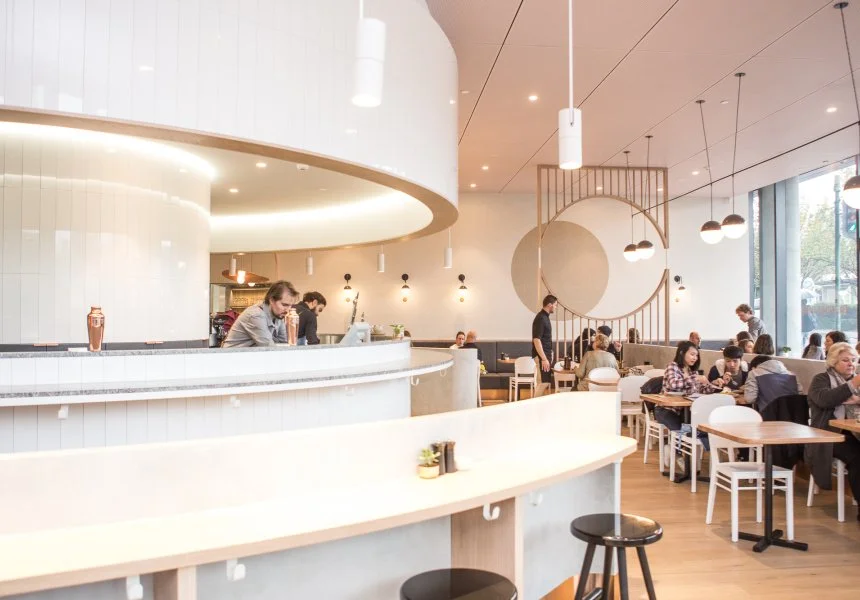
Eastern Melbourne café finance checklist for café owners – Switchboard Finance
 Insights · Café Hub
Eastern Melbourne Café Finance Checklist (2026): Richmond, Hawthorn & Box Hill — Corporate Catchment Leases, High-Volume POS Proof & the Local Approval Pack
Eastern Melbourne cafés often have strong weekday trade because the catchments include offices, schools, hospitals, retail strips and apartment density. That helps turnover — but approvals still slow down for two predictable reasons: lease risk and proof-pack quality.
This checklist is the Eastern corridor submission playbook for cafés in Richmond, Hawthorn, Camberwell and Box Hill. It’s built to sit alongside your other Melbourne café locals — not overlap them — and it plugs into your core café lane via the Café Hub and Low Doc Loans for Café Owners.
A clean Eastern Melbourne café approval pack makes three things obvious on Day 0: (1) the lease is readable (no hidden clause risks), (2) the POS/merchant proof ties out (no unexplained gaps), and (3) the use of funds matches the trade pattern (weekday corporate catchment vs weekend foot traffic).
If your turnover proof is strong but your numbers don’t reconcile cleanly, pair this local page with Café POS Reconciliation Checklist (2026) and the evidence structure in Café Turnover Proof Pack (2026).
| Checklist area | What to make obvious | Why it matters in Eastern corridors | What usually slows approvals |
|---|---|---|---|
| Lease & outgoings | Term, options, reviews, assignment clauses | Higher-rent strips get more scrutiny | Hidden clauses → conditions + delays |
| Corporate catchment proof | Weekday volume and repeat patterns | “Strong sales” must match the story | Vague trade explanation |
| POS + merchant reconciliation | Sales vs payouts vs bank credits | High-volume = more mismatch risk | Unexplained gaps → “pending” |
| Fitout & equipment scope | Final quote pack with fixed inclusions | Scope drift is common in premium strips | Re-quotes + valuation haircuts |
| Submission sequencing | One Day 0 pack | Stops back-and-forth loops | Loose attachments / missing items |
1) Corporate catchment leases: what lenders want to see (and what they flag)
Richmond, Hawthorn and Camberwell strips can look “premium,” which is great for trade — but lenders still read lease obligations closely because fixed commitments can crush cashflow during quiet weeks. The goal is to make the lease readable and remove clause surprises.
If you’re in or near the CBD fringe, use the clause logic from Melbourne CBD Café Lease + Fitout Finance Checklist (2026) as a reference point. If you ignore lease risk, the usual consequence is extra conditions, slower timelines, and sometimes smaller limits.
Eastern lease proof pack (Day 0 basics)
- Lease term + options: show what “commitment length” you’re actually signing.
- Rent reviews + outgoings: make the step-ups clear (avoid surprises in month 6/12).
- Assignment/subletting: lenders dislike messy exit options.
- Fitout obligations: who pays for what, and when.
A Hawthorn café looks “safe” on weekly revenue, but approval slows when the lease shows a sharp rent review step-up and unclear outgoings — because the lender can’t size affordability confidently.
2) High-volume POS proof: the Eastern corridor problem is not sales — it’s reconciliation
Eastern cafés can have large weekday spikes (schools, offices, hospitals, retail). High volume usually means more refunds, batching, delivery-app splits and card settlement lags — which creates “gaps” across reports.
That’s why your fastest approvals usually happen when the file includes a reconciliation overlay, not just raw exports. Use POS Reconciliation Checklist (2026) to bridge totals, and keep your payout story clean using Card Settlements + Delivery Apps (2026). If you don’t, the common consequence is “pending” while assessors request more detail.
High-volume proof pack (what to include upfront)
- POS daily/weekly summaries: show stable patterns across weekdays vs weekends.
- Merchant settlements: fees, refunds, chargebacks visible (not buried).
- Bank credits mapping: simple highlights showing which credits match settlements.
- Delivery app exports: separate app totals + payout lag so “missing” money is explained.
A Richmond café looks huge on POS totals, but the bank credits don’t match the same date range because apps pay out later and terminals batch deposits. A one-page reconciliation overlay stops the file being misread.
3) The Eastern Melbourne Day 0 submission pack (the order that avoids follow-ups)
If you want speed, you need sequencing. Eastern corridor deals often slow because the pack arrives in pieces: lease first, then POS, then another quote version, then a “missing” payout explanation. That creates avoidable loops.
The cleanest baseline submission sequence is already mapped in Café Finance “Day 0” Submission Bundle (2026). Use that structure, then bolt on the local lease + high-volume POS proof from this page. If your bank statements already show patterns that reduce confidence, pair this with Bank Statement Red Flags for Cafés (2026) so you don’t get hit with conservative assumptions.
| Day 0 item | What it contains | Why it matters | Consequence if missing |
|---|---|---|---|
| Lease snapshot | term/options/reviews/outgoings highlights | Affordability clarity | Conditions + timeline blowout |
| POS + merchant proof | exports + settlement reports | Validates turnover | “Pending” reconciliation follow-ups |
| Reconciliation overlay | bridge totals across sources | Stops misreads | Extra document requests |
| Final quote scope | one version, fixed inclusions | Avoids re-quotes | Valuation/settlement delays |
A Box Hill café files everything at once: lease highlights + POS exports + merchant settlement + app payouts + one clean quote. The assessor can tick off the “story” on Day 0 instead of running a week-long follow-up loop.
Eastern Melbourne café approvals are usually won or lost on lease readability and high-volume turnover proof. The fastest local packs make corporate catchment trade patterns obvious, reconcile POS/merchant/bank totals, and submit one Day 0 bundle with no scope drift.
Start in the Café Hub, anchor the base lane with Low Doc Loans for Café Owners, then strengthen the file using POS reconciliation and the core Day 0 submission sequence. If you skip reconciliation or lease clarity, the usual consequence is “pending” delays, extra conditions, and slower funding.
FAQs
Quick answers for cafés in Richmond, Hawthorn, Camberwell and Box Hill preparing an approval pack in 2026.
Hubs first. Then the newest reads.
- Business Owners Finance Hub Cashflow facilities + SME pathways
- Tradie Hub Vehicles, tools, civil + low doc packs
- Truckie Hub Owner-driver finance + compliance packs
- Whitecoat Hub Clinics, fitouts + specialist approvals
- Tradie Service-Van Eligibility Scorecard (2026) 12 checks before you bundle shelving, racks, on-board power and tools
- Traffic Management & Site-Setup Finance (2026) What can be bundled vs what needs a pre-start cash buffer
- Ballarat & Western Victoria Tradie + Civil Finance Checklist (2026) Local proof pack for utes, minis, trailers and site-ready add-ons
- Factory-Fit vs Aftermarket Van Fitout Finance (2026) Which quote lines count, which get haircut, and which trigger a deposit
- Ute Fitout Finance Quote Checklist (2026) What to itemise so it doesn’t trigger re-quotes
- Ute Fitout Finance Approval Traps (2026) Seven traps that slow approvals (and how to avoid them)
- Performance Bonds & Bank Guarantees (2026) The approval rules civil contractors trip over
- South East Melbourne Tradie + Civil Plant Finance Checklist (2026) VIC proof pack for faster low doc approvals

 Accredited Member
Newest café guides
Accredited Member
Newest café guides
Newest in the Café Hub
Four fresh, lender-practical reads for café owners — built around vehicle finance, local checklist prep, cashflow pressure and approval cleanup.
Café Owner Car Finance Through the Business (2026)
Chattel mortgage vs lease when venue income drives the file — and what lenders check on café statements.
Western Melbourne Café Finance Checklist (2026)
A local proof-pack checklist for café owners in Footscray, Sunshine and Werribee.
Café Staff Departure Cashflow Gap (2026)
How to cover recruitment costs, agency labour and the short revenue dip when a key team member leaves.
Café Finance Conditional Approval (2026)
What “approved subject to conditions” means for fitout, equipment and line-of-credit deals — and how to clear it fast.
