
Traffic Management & Site-Setup Finance (2026)
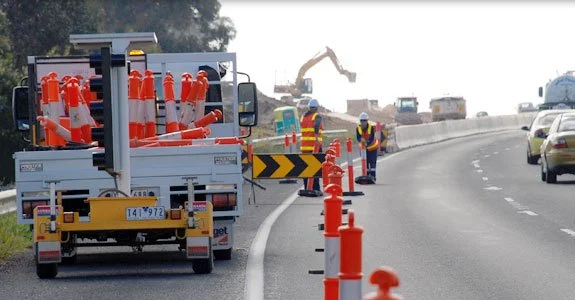
Traffic management and site-setup finance for civil contractors – Switchboard Finance
 Insights · Tradie Hub
Traffic Management & Site-Setup Finance (2026): What Civil Contractors Can Bundle, What Needs a Pre-Start Cash Buffer, and Where ABN Age Caps the Stack
Civil jobs can look profitable on paper and still stall before Day 1 because the pre-start spend lands before the first claim. Traffic control, access prep, compliance items, induction costs and site-readiness work often arrive in the same week as asset purchases, which is why structure matters more than the headline contract value. If you want the broader tradie and contractor lane first, start in the Tradie Hub, then use Tradie Finance Australia: Loans, Tools & Ute Finance Made Simple as the main corridor explainer before you build a civil-specific stack.
This page is deliberately different from a plain mobilisation checklist. It sits beside pages like Civil Mobilisation Costs Checklist (2026), Civil Contractor Funding Stack (2026), Construction Finance Melbourne (2026) and Performance Bonds & Bank Guarantees (2026), but it solves a narrower commercial question: which costs can sit inside an asset structure, which costs belong in a separate Working Capital buffer, and where ABN age starts limiting how hard you can stack the deal.
Civil contractors usually get cleaner approvals when they split the problem in two: asset-like costs that belong inside the funded equipment or vehicle deal, and pre-start operating costs that need a separate cash buffer. If you force everything into one stack, the file often gets slower, weaker, or requires more equity to keep it standing.
The closest in-chat money-page target for the cashflow side is Working Capital Loans for SMEs. Use this page to decide what belongs in the asset lane first, then what belongs in the cash-buffer lane second.
| Cost type | Usually bundles cleaner? | Usually needs separate buffer? | Why lenders separate it |
|---|---|---|---|
| Plant, trailers, declared hard add-ons | Yes | Rarely | Clear asset value and easier security |
| Traffic control hardware linked to the asset scope | Sometimes | Sometimes | Depends on whether it reads as recoverable asset value |
| Site establishment gear with fixed scope | Sometimes | Sometimes | Needs clean itemisation and clear supplier chain |
| Traffic labour, permits, inductions, setup labour | Usually no | Usually yes | These behave like operating costs, not core asset value |
| Mobilisation float, wages, fuel, early invoices | No | Yes | Cashflow timing issue, not an asset-finance issue |
1) What can actually sit inside the bundle vs what belongs in the pre-start buffer
The cleanest civil files are built around a simple rule: if the cost behaves like identifiable asset value, it has a chance of sitting inside the asset deal; if it behaves like early-stage project burn, it usually belongs in a separate buffer. This is why a trailer, plant attachment or clearly declared physical add-on can be easier to fund than traffic control labour, permit timing or site establishment spend that is burned before the first claim is paid.
That distinction matters because lenders are not just asking whether the project is good. They are asking what they can actually lend against. Asset-like costs often fit the cleaner Asset Finance lane, while the pre-start gap often belongs in a separate Business Loan or cashflow structure. If you blur those lines, the consequence is usually the same: a bigger deposit, a slower credit read, or a stack that looks too aggressive for the age of the business.
- Usually cleaner inside the asset lane: plant, trailers, declared hard accessories, fixed-scope equipment that clearly ties to the job.
- Sometimes workable if tightly documented: some site-setup gear and traffic-control hardware with clean supplier detail.
- Usually better in the cash buffer: labour, permits, induction spend, wages, fuel, supplier deposits and early operating drag.
A civil subbie can often fund the attachment and declared trailer inside the asset lane, but the first fortnight of traffic setup, permit fees and crew costs still behaves like a cashflow problem. Treating both as one asset deal usually makes the file weaker, not cleaner.
2) Where ABN age starts capping the stack
ABN age does not just affect “yes or no.” It affects how much complexity the lender is willing to tolerate. A younger trading profile may still get a simple asset approval, but once you start layering plant, traffic-management hardware and a separate pre-start buffer, the lender usually becomes more conservative on overall stack size, repayment room and how much of the pre-start gap they are willing to support.
This is why ABN Age & Approval Limits (2025) is one of the best support reads for this page. It explains the cap logic at the facility level, while this page applies it to a civil contractor’s real commercial problem. If the profile is younger or the stack is more ambitious, the lender may want stronger evidence of Borrowing Capacity, a tighter deal size, or more owner cash left in the structure.
| Stack element | Cleaner with stronger trading age? | Gets capped sooner with younger ABN? | Typical consequence |
|---|---|---|---|
| Single asset-only deal | Yes | Less so | Often the easiest first approval |
| Asset + declared hard add-ons | Yes | Moderately | Needs tighter scope and cleaner quote |
| Asset + separate pre-start buffer | Yes | More quickly | Lender may reduce the buffer size |
| Aggressive multi-layer stack | Strongly | Yes | Higher chance of downsizing, splitting or delay |
A contractor with a shorter trading history may still clear the plant deal, but the extra pre-start buffer gets cut back because the lender is less comfortable stacking asset debt and early cashflow support at full size in one move.
3) The cleaner way to structure the stack
The strongest civil structures are usually built in sequence, not all at once. First, lock the asset lane around what the lender can actually treat as recoverable value. Second, decide whether the pre-start gap needs a separate buffer. Third, size the whole thing against the business age, existing commitments and how quickly the first claim will convert into cash. That is the difference between a controlled structure and a rushed one.
This is where the page stays clearly different from Civil Mobilisation Costs Checklist (2026) and Civil Contractor Funding Stack (2026). Those pages focus on what the costs are and the broader stack logic. This page focuses on classification: what belongs where. For a local variant of the same corridor, Melbourne Civil Plant Finance Checklist (2026) is a good adjacent winner seed, while Civil Plant Finance “Approval Pack” (2026) helps on the submission side once the structure is decided.
- Layer 1: asset-only core that reads cleanly on its own.
- Layer 2: only add declared hard-cost items that genuinely support the asset case.
- Layer 3: treat traffic labour, permits, wages and startup drag as a separate cash buffer problem.
- Layer 4: scale the total stack to trading age, existing debt and claim timing.
A clean civil file might fund the attachment and trailer first, then separately size a short cash buffer for the pre-start gap. A weaker file tries to bury labour, permits and setup burn inside the asset request, which makes the whole submission look harder to trust.
4) Why this same commercial logic shows up outside civil too
Even though this is a civil-contractor page, the same rule appears across other corridors: separate what behaves like asset value from what behaves like timing pressure. Transport-heavy pages like Livestock Transport Finance (2026), Tanker & Liquid Bulk Transport Finance (2026), Too Reliant on One Freight Client? (2026) and On-Site Diesel Tanks, Pumps & Yard Fuel Setups (2026) all reward the same clarity: hard assets in one lane, operating drag in another.
The exact same separation logic also shows up in service-business pages like Inner West Melbourne Clinic Finance (2026), The Clinic 28-Day Cashflow Calendar (2026), New Lease vs Lease Assignment (Clinic Fitout) (2026) and Clinic Vehicle Finance When More Than One Person Drives the Car (2026). Different vertical, same underlying rule: classify the spend properly before you chase speed.
Civil contractors usually get cleaner approvals when they separate the asset problem from the pre-start cashflow problem. If a cost behaves like real asset value, it may fit the asset lane. If it behaves like startup burn before the first claim lands, it usually needs its own buffer.
The cleanest route is to start in the Tradie Hub, anchor the broad lane with Tradie Finance Australia, then use Working Capital Loans for SMEs as the closest in-chat cash-buffer money page once you have separated the asset scope. If you ignore that split, the usual consequence is an over-stretched stack, a reduced buffer, or a slower approval once credit starts trimming non-asset lines out of the request.
FAQs
Quick answers on what civil contractors can bundle, what belongs in the pre-start buffer, and where ABN age changes the stack.
Hubs first. Then the newest reads.
- Business Owners Finance Hub Cashflow facilities + SME pathways
- Tradie Hub Vehicles, tools, civil + low doc packs
- Truckie Hub Owner-driver finance + compliance packs
- Whitecoat Hub Clinics, fitouts + specialist approvals
- Tradie Service-Van Eligibility Scorecard (2026) 12 checks before you bundle shelving, racks, on-board power and tools
- Traffic Management & Site-Setup Finance (2026) What can be bundled vs what needs a pre-start cash buffer
- Ballarat & Western Victoria Tradie + Civil Finance Checklist (2026) Local proof pack for utes, minis, trailers and site-ready add-ons
- Factory-Fit vs Aftermarket Van Fitout Finance (2026) Which quote lines count, which get haircut, and which trigger a deposit
- Ute Fitout Finance Quote Checklist (2026) What to itemise so it doesn’t trigger re-quotes
- Ute Fitout Finance Approval Traps (2026) Seven traps that slow approvals (and how to avoid them)
- Performance Bonds & Bank Guarantees (2026) The approval rules civil contractors trip over
- South East Melbourne Tradie + Civil Plant Finance Checklist (2026) VIC proof pack for faster low doc approvals

 Accredited Member
Newest tradie + civil plant guides
Accredited Member
Newest tradie + civil plant guides
Newest in the Tradie Hub
Four fresh reads covering low doc vehicle proof, local tradie checklists, civil plant income evidence, and ute setup risks before approval.
The 2026 Tradie Proof Pack That Makes Low Doc Vehicle Approvals Cleaner
Built for tradies paid unevenly through progress claims, stage invoices, or delayed remits.
Northern Melbourne Tradie Checklist (2026)
A local proof pack angle for tradies around Northern Melbourne preparing cleaner submissions.
Wet Hire vs Dry Hire Proof Pack for Civil Plant Finance (2026)
Which revenue documents actually help size civil plant deals when work is wet hire, dry hire, or both.
Tradie Ute Payload, Tow Ball Weight & Fitout Finance (2026)
A practical checklist for payload, towing setup, canopy weight, racks, and fitout risks before finance goes sideways.
