
Western Melbourne Café Finance Checklist (2026)
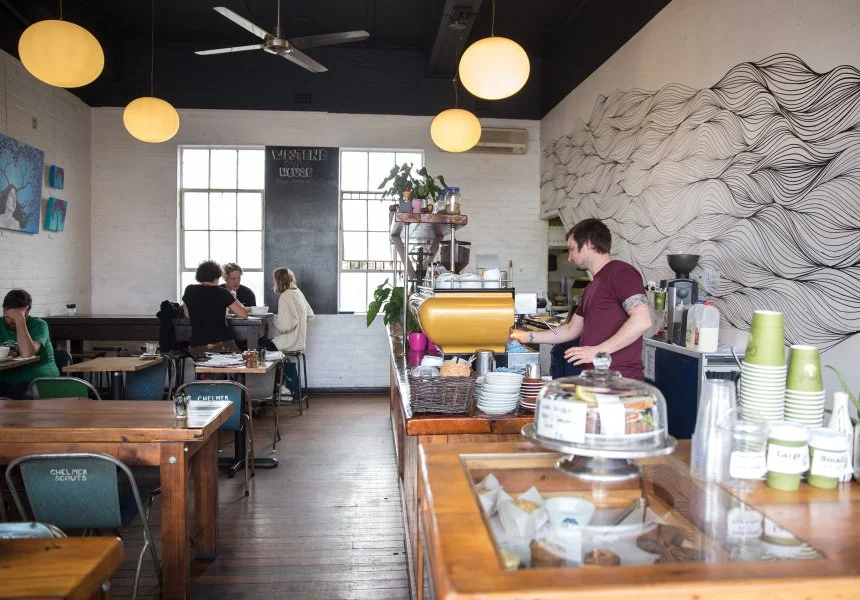
Western Melbourne café finance checklist for Footscray Sunshine and Werribee venues – Switchboard Finance
 Insights · Business Owners Finance Hub
Western Melbourne Café Finance Checklist (2026): Footscray, Sunshine & Werribee — Multicultural Strip Leases, High-Volume Trade & the Local Proof Pack for Fast Low Doc Approvals
Western Melbourne café files usually turn on proof quality, not just whether the venue is busy. In Footscray, Sunshine and Werribee, lenders often want a cleaner read on multicultural strip leases, delivery-app income, merchant settlements and whether the venue is funding equipment only or a wider opening-cost stack. This guide shows the local proof pack that tends to make Low Doc submissions cleaner, while sitting naturally beside the Business Owners Finance Hub, the café hero explainer Cash Flow vs Growth: The Café Owner’s Balancing Act with Low Doc Finance, and the conversion page Low Doc Loans for Café Owners: How to Upgrade Without the Paperwork Nightmare.
Western Melbourne café approvals usually move fastest when the file clearly shows three things: real venue Turnover, clean payment flow, and a lease/equipment story that makes commercial sense. Lenders are not just reading sales volume. They are reading how sales land, how quickly money clears, and whether the next spend is ordinary café growth or a stretched setup.
This page pairs best with Melbourne Café Finance Checklist (2026), Café Turnover Proof Pack (2026), Café Finance Approval Timeline (2026), Eastern Melbourne Café Finance Checklist (2026) and South East Melbourne Café Finance Checklist (2026).
1) What lenders are actually reading in Footscray, Sunshine and Werribee files
A café in western Melbourne can look strong on paper and still get slowed down if the story is messy. High foot traffic, multicultural menus, mixed dine-in and takeaway trade, and strong weekend spikes are all normal here. The issue is that lenders still want the submission to read in a straight line: who trades, where money lands, what the venue is funding, and how that next repayment fits inside the current cash cycle.
That is why a local file usually needs more than a vague sales summary. A cleaner submission will connect the venue’s payment mix, lease position and equipment need into one simple commercial read. If the file also shows clean Bank Statements and a logical Settlement path, the lender usually spends less time guessing and more time sizing the deal properly.
| What the lender sees | Why it matters | What slows the file |
|---|---|---|
| Merchant + delivery mix | Shows how revenue lands and how predictable clearing cycles are | Payouts not matched back to the main trading account |
| Lease + site story | Explains whether the spend is expansion, replacement or fitout catch-up | Lease signed but missing clarity on incentives, bond or landlord works |
| Proof pack quality | Lets credit read the venue fast under a low doc path | Uploads are broad, repetitive and not sequenced |
A busy Footscray venue might show strong sales, but if card settlements, app payouts and weekend cashing-up all land across different patterns with no summary note, the file can read weaker than a smaller venue with cleaner proof.
2) The western Melbourne proof pack that usually gets read fastest
The strongest café files are not the fattest files. They are the clearest files. In most western Melbourne submissions, lenders want current trading evidence, visible payout flow, and simple context around the next spend. That is especially true where a venue is balancing in-store sales with Uber Eats, DoorDash or catering revenue and trying to fund equipment, light Fit-Out Finance items, or a mixed opening-cost stack.
The goal is not to “prove everything.” The goal is to prove the right things first. That is why this page sits closely with the ranking-support pages Café Turnover Proof Pack (2026), Café Finance Approval Timeline (2026) and the local corridor pieces for eastern Melbourne and inner north Melbourne.
Trading proof before commentary
POS exports, merchant summaries, app payout reports and the main trading account usually do more work than a long broker note full of adjectives.
Mixing setup costs with ordinary equipment
Once bond, lease works, stock, equipment and cash buffer needs are all blurred together, lenders often stop treating the request like clean café equipment funding.
A Sunshine operator replacing refrigeration and adding POS can look approval-ready quickly. The same operator bundling in signage, soft launch spend and loose supplier deposits without explanation usually triggers more questions and a slower read.
3) Western strip leases and high-volume trade create a different cashflow read
Melbourne’s west has plenty of venues doing strong volume from commuter trade, family traffic, takeaway peaks and multicultural food demand. That helps the commercial story, but it also means lenders pay closer attention to volatility inside the week. They want to know whether the venue’s payment pattern is actually stable, or whether a few strong days are hiding a thin midweek base.
Lease structure matters too. If the venue is stepping into a new strip location, taking over an existing site or dealing with landlord works, the lender will usually want the lease-and-launch story to line up with the funding request. That overlaps with the timing logic in The Landlord Incentive Gap (2026) and the broader cashflow use case in Why Every Café Needs a Business Line of Credit in 2025.
- Cleanest pattern: sales, merchant payouts and delivery-app credits that reconcile back to the main account clearly.
- Local pressure point: lease commencement, bond, supplier minimums and early stock buys all hitting before the venue fully settles.
- Most misunderstood issue: strong revenue does not automatically mean clean servicing if payout timing is choppy.
A Werribee venue can trade hard on Friday to Sunday and still feel tight on Tuesday if delivery-app payouts, rent, supplier runs and staff wages all bunch together. That is a cashflow sequencing issue, not always a demand issue.
4) Equipment-only vs cashflow support: the facility match matters
One reason café files get messy is that the operator is really asking for two things at once. They might want equipment funding for coffee gear, refrigeration or fitout items, but they also need breathing room around lease start, stock, supplier timing or short-term trade gaps. When those are mixed together carelessly, the lender can struggle to place the request cleanly.
The cleaner approach is to separate true asset spend from short-term working pressure. That is why western Melbourne café owners should read this page beside Café Cashflow Funding in 2026: Business Line of Credit vs Working Capital Loan, Café Card Settlements + Delivery Apps (2026) and Opening a Second Café Location (2026) if the venue is scaling rather than simply replacing gear.
| Need | Usually reads best as | What goes wrong |
|---|---|---|
| Machine, fridge, POS, kitchen gear | Asset Finance | Too many non-asset lines inside the same request |
| Timing pressure around suppliers, wages or lease start | Business Line of Credit / cashflow support | Treated like straight equipment funding |
| Venue upgrade with mixed costs | Split structure with clear purpose notes | Everything bundled under one vague “café upgrade” label |
A Sunshine café replacing a coffee machine and adding a small wage buffer before a busy Ramadan or Easter period may need a cleaner split than a single blended request. The problem is not the venue. It is the structure.
5) What makes a western Melbourne café file feel “approval ready” on day zero
Approval-ready does not mean perfect. It means the lender can read the venue fast without asking what the business does, how the money lands, or why the amount requested changed halfway through the file. For western Melbourne cafés, that usually means the venue story is local and specific, not generic. Footscray, Sunshine and Werribee each have their own trade rhythm, rent pressure and delivery mix, and the file should reflect that reality without turning into a ramble.
A good day-zero pack usually includes the right revenue proof, a simple explanation of the spend, entity details, and a clean sequence toward funding. That same thinking is reinforced in Café Finance “Day 0” Submission Bundle (2026), Café Finance Eligibility Scorecard (2026) and the bank-pattern warning piece Bank Statement Red Flags for Cafés (2026).
What to lead with
Trading proof, a short purpose note, lease context if relevant, and a clear split between asset spend and short-term cashflow needs.
Changing the request mid-file
A lender who starts on “coffee gear only” and later discovers it is also bond, stock and fitout catch-up will usually slow down and re-cut the file.
The cleanest western Melbourne café file is often the one that says: here is the venue, here is the payment flow, here is the lease position, and here is exactly what this funding is for. That usually beats a bigger file with noisier documents.
Footscray, Sunshine and Werribee café files usually get cleaner outcomes when the lender can read the venue in one pass: how revenue lands, what the lease position is, and whether the request is true equipment funding or a wider cashflow problem. Busy trade helps, but clean proof helps more.
Western Melbourne café owners usually get the clearest path by starting with the Business Owners Finance Hub, reading Cash Flow vs Growth, then pairing this page with Melbourne Café Finance Checklist (2026) and Café Turnover Proof Pack (2026) before lodging.
FAQs
Quick answers for western Melbourne café operators looking at low doc finance in 2026.
Hubs first. Then the newest reads.
- Business Owners Finance Hub Cashflow facilities + SME pathways
- Tradie Hub Vehicles, tools, civil + low doc packs
- Truckie Hub Owner-driver finance + compliance packs
- Whitecoat Hub Clinics, fitouts + specialist approvals
- Tradie Service-Van Eligibility Scorecard (2026) 12 checks before you bundle shelving, racks, on-board power and tools
- Traffic Management & Site-Setup Finance (2026) What can be bundled vs what needs a pre-start cash buffer
- Ballarat & Western Victoria Tradie + Civil Finance Checklist (2026) Local proof pack for utes, minis, trailers and site-ready add-ons
- Factory-Fit vs Aftermarket Van Fitout Finance (2026) Which quote lines count, which get haircut, and which trigger a deposit
- Ute Fitout Finance Quote Checklist (2026) What to itemise so it doesn’t trigger re-quotes
- Ute Fitout Finance Approval Traps (2026) Seven traps that slow approvals (and how to avoid them)
- Performance Bonds & Bank Guarantees (2026) The approval rules civil contractors trip over
- South East Melbourne Tradie + Civil Plant Finance Checklist (2026) VIC proof pack for faster low doc approvals

 Accredited Member
