
Factory-Fit vs Aftermarket Van Fitout Finance (2026)
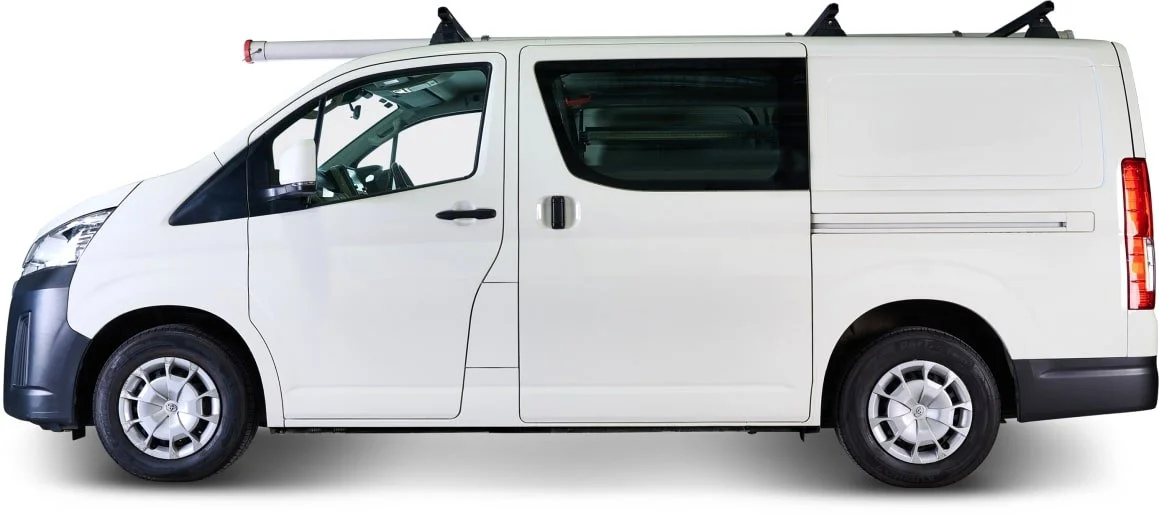
Van fitout finance for tradies comparing factory-fit and aftermarket options – Switchboard Finance
 Insights · Tradie Hub
Factory-Fit vs Aftermarket Van Fitout Finance (2026): Which Quote Lines Count, Which Get Haircut, and Which Trigger a Deposit
Van fitout finance gets messy when the quote mixes genuine vehicle-linked items with install labour, soft costs and add-ons that a lender may not value the same way. If you are building a clean tradie upgrade path, start in the Tradie Hub, then anchor the broad strategy with Tradie Finance Australia: Loans, Tools & Ute Finance Made Simple before you price the van itself.
This guide is van-specific on purpose. It sits beside the stronger vehicle seed pages like Low Doc Vehicle Finance for ABN Holders: 2025 Guide and Low Doc Vehicle Finance Documents Checklist (2025), but it solves a different mid-funnel question: which fitout lines look clean, which lines get haircut, and which lines push a deposit higher before rate is even discussed.
Factory-fit items usually approve cleaner because they are easier to read as part of the vehicle package. Aftermarket items can still work, but once the quote drifts into custom fabrication, mixed suppliers, install labour or soft-cost lines, lenders start splitting what they see as core asset value versus non-asset spend. That changes the effective LVR, which is often where deposits rise.
If your goal is the cleanest tradie vehicle path this month, treat Low Doc Vehicle Finance for ABN Holders: 2025 Guide as the closest in-chat “money page” target, then tighten your quote using Dealer Quote Explained for Low Doc Vehicle Finance (2025) before you submit.
| Quote line type | How lenders usually read it | Approval effect | Deposit risk |
|---|---|---|---|
| Factory-fit shelving / integrated packs | Cleaner, easier to tie to vehicle supply | Usually simpler review | Lower |
| Dealer-supplied accessories on one invoice | Often acceptable if clearly itemised | Cleaner than split invoices | Low to moderate |
| Aftermarket racks / drawers / lining | Often partly accepted, depends on quote clarity | More manual review | Moderate |
| Custom fabrication / electrical fitout | Can be haircut if not clearly linked to asset value | Slower and more conditional | Higher |
| Freight, install labour, admin, rush fees | Often treated as soft costs | May need splitting out | Higher |
1) Which van fitout lines usually count best
The cleanest van deals are the ones where the lender can instantly see a core vehicle, a clean supplier chain and a quote that reads like one package. That is why factory-fit items, dealer-installed packs and well-itemised vehicle-linked accessories usually move better than custom, late-added or multi-supplier fitouts. If you are comparing broader vehicle timing, SME Service-Van Replacement Window (2026) is a useful adjacent read because it focuses on when to replace, while this page focuses on how the fitout gets assessed.
The reason this matters is simple: lenders are not just funding “a van.” They are deciding what part of the total quote looks like core vehicle value versus separate spend. If the quote is clean, the deal often sits closer to straightforward Asset Finance. If the quote is messy, the same borrower can end up with a bigger deposit, more conditions or a split-structure conversation.
- Usually cleaner: factory-fit packs, integrated shelving, dealer-installed accessories, clearly itemised racks and liners on one supplier chain.
- Usually acceptable if clean: roof racks, cargo barriers, basic internal storage, standard on-board power add-ons that are clearly tied to the vehicle.
- Usually weaker: mixed install labour, custom fabrication, branding, consumables, rush fees and loose “miscellaneous” lines.
A plumbing business buying a service van with factory shelving and a dealer-supplied roof rack pack usually gets a cleaner read than the same van plus a separate custom fabrication invoice, a sparky invoice and a late-added admin fee. Same business, same turnover, different quote clarity.
2) Which lines get haircut first and what triggers a deposit
Haircuts usually start where the lender cannot clearly see resale value or where the line item feels like a project cost rather than an asset cost. That is why install labour, fabrication margins, branding, non-fixed scopes and “to be confirmed” items often get trimmed first. If you ignore that, the consequence is simple: a deal that looked like low-deposit finance on the quote can become a higher cash-in deal once the lender strips out the weaker lines.
This is also why this page is not the same as Ute Fitout Valuation Haircuts (2026). That page is ute-specific. Here, the focus is enclosed vans, service access, internal storage and the common aftermarket fitout patterns that tradies bundle into vans rather than tray-based builds. If you are in a local VIC corridor, Mornington Peninsula & Bayside Tradie Vehicle Finance Checklist (2026) shows how the same issue plays out in a local submission pack.
| Common trigger | Why it causes friction | Likely lender response | What fixes it |
|---|---|---|---|
| Multiple suppliers | No single clean scope | Extra review or split treatment | One lead quote with clear itemisation |
| High labour component | Labour may not hold asset value | Haircut on non-core costs | Separate labour vs hardware lines |
| Custom / fabricated items | Harder to value consistently | Deposit uplift or condition | Detailed specs + fixed pricing |
| Soft costs bundled in | Admin, delivery, rush and miscellaneous lines read weakly | Non-asset costs carved out | Keep soft costs separate |
| Quote changes mid-assessment | Credit loses confidence in scope | Re-work and delay | Submit one final version once |
An electrical contractor has a van quote that includes shelving, inverter setup, install labour, decals and “other fitout works.” Once the weak lines are separated, the lender is comfortable on the van and hard accessories but wants the softer lines paid outside the facility. The approval still works, but only after the structure is cleaned up.
3) The clean quote structure that gets read faster
A strong van fitout submission usually reads in three layers: vehicle, hard accessories, then anything soft or optional. That lets credit decide quickly what belongs inside the vehicle deal and what should be separated. If you skip that structure, the consequence is the classic re-quote loop: more emails, slower approval, and extra cash-in requests late in the process.
The best companion pages for this are Buying a New Car on a Business Registration: 9 Approval Killers + A Clean Checklist for broader vehicle friction, plus Business Vehicle Finance Melbourne (2026): Low Doc Approval Checklist for ABN Holders & Pty Ltds if you want a metro-specific submission angle for work vehicles rather than fitout-only logic.
- Layer 1: base van, supplier, VIN-ready details once available, clean price.
- Layer 2: hard accessories that are physically tied to the van and clearly itemised.
- Layer 3: labour, branding, freight, admin, rush fees and any “nice to have” lines separated so credit can read the risk cleanly.
A refrigeration service business splits its quote into van, roof rack and shelving on one side, then labour and branding on the other. The lender reads the core asset faster, the deposit stays predictable, and the optional lines can be handled separately instead of contaminating the whole deal.
4) Why this matters across adjacent corridors too
Even though this is a tradie van page, the same approval logic shows up elsewhere: different asset classes still get judged on quote clarity, scope control and how much of the spend looks like real asset value. That is why it helps to compare how cleaner vehicle files differ from other service-business and specialty-asset submissions, especially if you are running more than one business line or you want to see how lenders think across categories.
For example, heavy transport proof gets stricter in pages like Livestock Transport Finance (2026), Tanker & Liquid Bulk Transport Finance (2026), Too Reliant on One Freight Client? (2026) and On-Site Diesel Tanks, Pumps & Yard Fuel Setups (2026), while service-business timing issues show up differently in Inner West Melbourne Clinic Finance (2026), The Clinic 28-Day Cashflow Calendar (2026), New Lease vs Lease Assignment (Clinic Fitout) (2026) and Clinic Vehicle Finance When More Than One Person Drives the Car (2026). Different corridor, same core rule: clear asset story, clear quote, clear submission.
Factory-fit and clean dealer-linked van accessories usually approve better because the lender can see the asset story fast. Aftermarket fitouts can still work, but once your quote drifts into custom fabrication, high labour, soft costs or moving versions, deposit risk rises and speed drops.
The safest path is simple: anchor the strategy in the Tradie Hub, start with Tradie Finance Australia, use Low Doc Vehicle Finance for ABN Holders as the closest in-chat target page, then clean the quote with Dealer Quote Explained before you apply. If you do not separate weak lines early, the usual consequence is the same: more conditions, a bigger deposit and slower approval.
FAQs
Quick answers on van fitout quote lines, valuation treatment and deposit risk.
Hubs first. Then the newest reads.
- Business Owners Finance Hub Cashflow facilities + SME pathways
- Tradie Hub Vehicles, tools, civil + low doc packs
- Truckie Hub Owner-driver finance + compliance packs
- Whitecoat Hub Clinics, fitouts + specialist approvals
- Tradie Service-Van Eligibility Scorecard (2026) 12 checks before you bundle shelving, racks, on-board power and tools
- Traffic Management & Site-Setup Finance (2026) What can be bundled vs what needs a pre-start cash buffer
- Ballarat & Western Victoria Tradie + Civil Finance Checklist (2026) Local proof pack for utes, minis, trailers and site-ready add-ons
- Factory-Fit vs Aftermarket Van Fitout Finance (2026) Which quote lines count, which get haircut, and which trigger a deposit
- Ute Fitout Finance Quote Checklist (2026) What to itemise so it doesn’t trigger re-quotes
- Ute Fitout Finance Approval Traps (2026) Seven traps that slow approvals (and how to avoid them)
- Performance Bonds & Bank Guarantees (2026) The approval rules civil contractors trip over
- South East Melbourne Tradie + Civil Plant Finance Checklist (2026) VIC proof pack for faster low doc approvals

 Accredited Member
Newest tradie + civil plant guides
Accredited Member
Newest tradie + civil plant guides
Newest in the Tradie Hub
Four fresh reads covering low doc vehicle proof, local tradie checklists, civil plant income evidence, and ute setup risks before approval.
The 2026 Tradie Proof Pack That Makes Low Doc Vehicle Approvals Cleaner
Built for tradies paid unevenly through progress claims, stage invoices, or delayed remits.
Northern Melbourne Tradie Checklist (2026)
A local proof pack angle for tradies around Northern Melbourne preparing cleaner submissions.
Wet Hire vs Dry Hire Proof Pack for Civil Plant Finance (2026)
Which revenue documents actually help size civil plant deals when work is wet hire, dry hire, or both.
Tradie Ute Payload, Tow Ball Weight & Fitout Finance (2026)
A practical checklist for payload, towing setup, canopy weight, racks, and fitout risks before finance goes sideways.
