
GST and Stamp Duty on Buying Medical Rooms
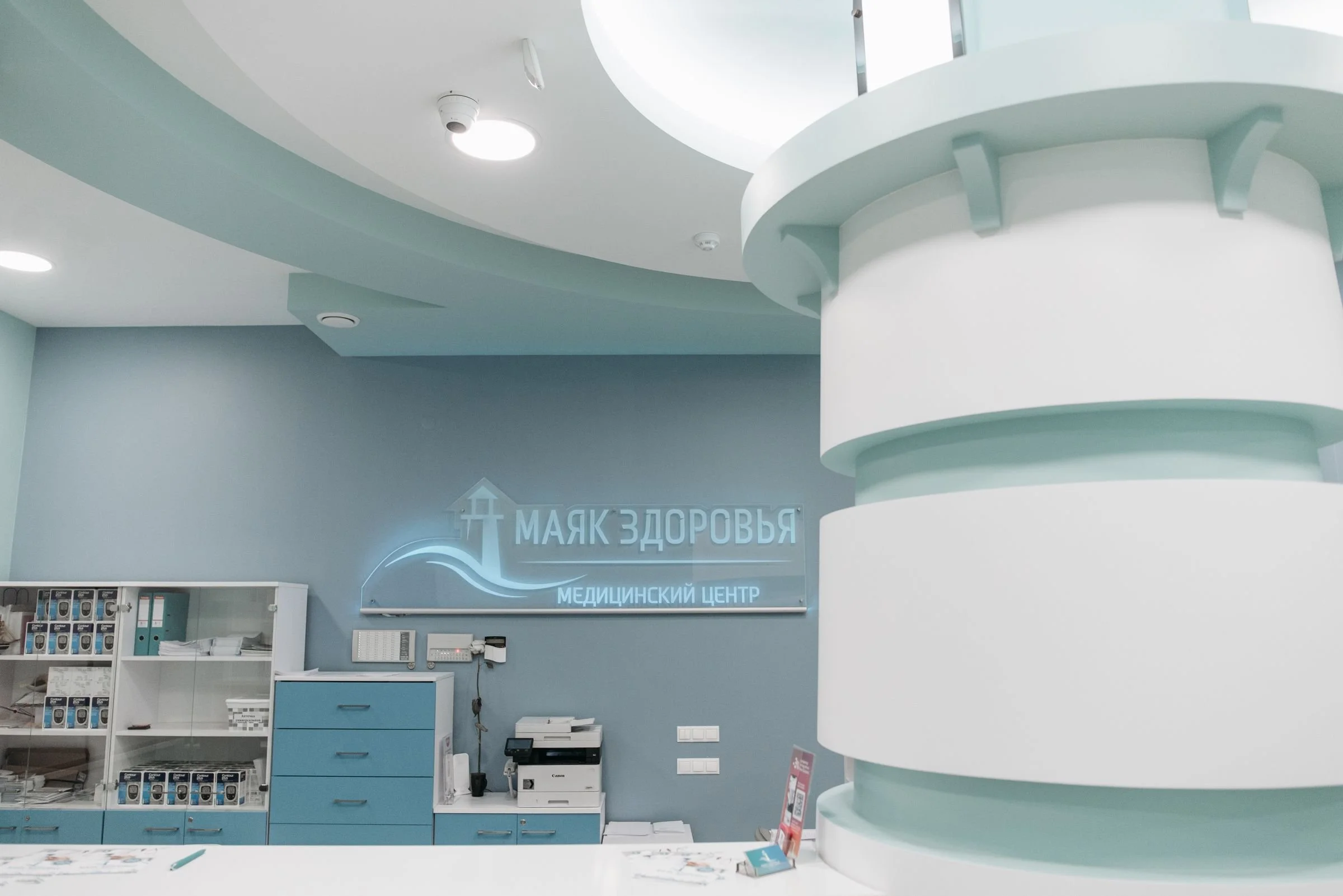
Is GST payable on medical rooms? When a going concern sale is GST-free, why vacant rooms usually attract GST, and how stamp duty and land tax follow.
 Whitecoat Hub
GST Going Concern · Stamp Duty · Medical Rooms
On medical rooms bought to move into, the GST-free going concern label rarely survives the facts. Plan for GST on the price and duty on top of it, then let your accountant prove you wrong.
Quick Answer
GST usually applies when you buy vacant medical rooms to occupy, because only a tenanted property sold with its leases fits the GST-free going concern rules, and stamp duty in most states is then charged on the GST-inclusive price. Lenders usually expect duty from your own funds, and GST funding varies by lender on a commercial property loan.
Also called: transfer duty (stamp duty), GST-free going concern (going concern exemption). Same costs, different names: the states call the tax transfer duty, and the ATO calls the exemption a GST-free supply of a going concern.
Is GST payable when you buy medical rooms?
GST is payable on most purchases of medical rooms by a practice owner, because a GST-registered seller selling commercial property makes a taxable sale unless an exemption fits. The exemption most people have heard of, the going concern rule, rarely fits rooms you are buying to move into. If the seller is not registered or required to be registered for GST, there is no GST on the sale, and the contract says which.
In our own files, the first question is not the tax rate, it is the contract wording. A price written as "plus GST" adds GST on top of the agreed figure. A price written as "inclusive of GST" has already absorbed it. The same headline number can mean two very different amounts at settlement, and stamp duty then follows the higher figure in most states.
Before you sign, read every cost against who confirms it. The table below sets out the costs that sit around a commercial property loan for a medical freehold, and the medical centre and consulting suite freehold guide covers the wider purchase.
| Cost | When it applies | How a lender treats it | Who confirms |
|---|---|---|---|
| GST | When a GST-registered seller makes a taxable sale, which is the usual case when rooms are bought vacant to occupy. GST-free only if the going concern conditions are met. | Varies by lender. Some fund it for a short period against the refund, many expect it from your own funds at settlement. | Accountant for the treatment, solicitor for the contract's GST clause |
| Transfer duty | On most purchases, in most states, on the dutiable value, which in most states includes GST. | Usually funded from your own contribution, not the loan. | State revenue office, solicitor or conveyancer |
| Land tax | Each year once the owner's land holdings pass the state threshold. Trusts are treated differently in some states. | Counted as a property outgoing when servicing is assessed. | State revenue office, accountant |
| Legal and conveyancing | On every purchase, with more work where the contract has a GST clause, special conditions or strata records to review. | Paid from your own funds in most cases. | Solicitor or conveyancer |
| Valuation | Ordered by the lender before formal approval. | Fee typically paid by the borrower. The result sets how much the lender advances. | The lender's panel valuer |
| Building inspection | Before you sign, or inside a due diligence period set by the contract. | Paid from your own funds. | Building inspector |
| Lender fees | Application, establishment and lender legal fees, which vary by lender. | Sometimes added to the loan, sometimes paid upfront, varies by lender. | Your broker |
Sources: Australian Taxation Office, Selling a going concern, read 5 October 2026; State Revenue Office Victoria, Commercial and industrial property tax, read 5 October 2026. Lender treatment is practitioner experience and varies by lender.
When is the sale GST-free as a going concern?
The sale is GST-free as a going concern when the seller hands over an enterprise that keeps running, and the Australian Taxation Office sets out the conditions on its selling a going concern page. Three conditions are the ones buyers check first:
- The sale is for payment. A transfer for nothing does not qualify.
- The buyer is registered, or required to be registered, for GST. The buying entity, not you personally, is the one that counts.
- Both sides agree in writing that it is a going concern. The contract clause has to say so before settlement.
The seller must also supply everything needed to keep the enterprise running and carry it on until the day of the sale. For property, the enterprise is usually leasing. The ATO treats a fully tenanted building as fitting that pattern, and a partly tenanted building can fit where the vacant part is being actively marketed for lease. That is a GST-free supply of a going concern, and it only works when the leases come across with the building.
The going concern and freehold going concern entries explain the terms, and freehold against leasehold going concern shows how the label shifts when the business is sold without the property.
Why does buying vacant rooms to occupy usually mean GST applies?
Buying vacant rooms to occupy usually means GST applies because there is no leasing enterprise for the seller to hand over. You are buying premises for your own practice, not taking over a tenancy that produces rent. That makes the sale a taxable supply, and a going concern clause in the contract does not change the facts underneath it.
The same is true where the seller's own practice occupied the rooms and moves out at settlement. Nothing that keeps running passes to you. In deals we see, this is where a "GST-free" assumption most often breaks: the agent's listing mentions a going concern, the rooms are empty on the day, and the GST lands on the buyer late in the process.
Costs you planned
- The contract price and your deposit
- Transfer duty, estimated before you sign
- Solicitor or conveyancer fees
- The lender's valuation and establishment fees
- A building inspection on the rooms
Costs that surprised
- GST on top of a price written as plus GST
- Duty calculated on the GST-inclusive figure
- Cash tied up in GST until the refund lands
- A going concern clause that did not hold because the rooms were empty
- Land tax assessed on the trust that took title
The going concern explainer walks through the general rule. For medical rooms, treat GST as payable until your accountant confirms otherwise in writing.
What changes if you are the tenant buying your own premises?
A sale to the existing tenant is one your accountant must check, because your lease usually ends when you buy the building it sits in. On paper the rooms look leased, so the sale can look like a going concern. In practice, the leasing enterprise was the seller renting the rooms to you, and that arrangement does not carry on once you own them.
Do not assume either answer. Some purchases involve a building with other tenants whose leases continue, which changes the picture again. The position depends on who buys, what else is leased, and how the contract is written, so it belongs with your accountant before the GST clause is settled with your solicitor.
The commercial side of buying your landlord's building is covered in buying your premises from your landlord, and should your practice buy its premises weighs the decision itself.
Can a practice that provides GST-free health services claim the GST back?
A practice that provides GST-free health services can often claim the GST back, because GST-free is not the same as input-taxed. Medical services that are GST-free still sit inside a business that can claim credits on what it buys to make those supplies. Credits depend on the buying entity's GST registration, and on how the property is used.
Which entity buys the rooms, and does it change the credit?
The buying entity changes the credit question. If the practice entity buys and occupies the rooms, the credit turns on its registration and its use of the premises. If a separate property entity buys and leases the rooms to the practice at a commercial rent, that entity makes its own supplies and its own registration decides the claim. Each structure has tax consequences beyond GST, which is why the Whitecoat pack sends structure questions to the accountant first.
Who funds the GST until the refund arrives?
The GST gap is funded by you unless the lender agrees otherwise. The lender's first question is whether the GST sits inside the contract price it is lending against, and whether a refund is likely. Some lenders offer a short facility repaid from the refund, others expect the GST from your own funds, and the answer varies by lender. The refund then follows the buying entity's activity statement cycle, so the cash can be out for weeks.
Is stamp duty charged on the GST-inclusive price?
Stamp duty is charged on the GST-inclusive price in most states, so the GST on a purchase raises the duty as well. Check your state revenue office for how your state treats it. Duty itself attracts no GST and cannot be claimed as a credit.
Each state sets its own rates, thresholds and payment timing. New South Wales, Queensland and Western Australia all charge transfer duty on commercial property, while South Australia no longer charges it on most commercial land, so the amount at settlement depends on the state the rooms sit in. In our own files, duty is the cost most often underestimated on a medical purchase, because it is worked out on the contract price before anyone has checked whether that price includes GST.
How does Victoria's commercial and industrial property tax change the duty?
Victoria's commercial and industrial property tax applies to qualifying properties transacted from 1 July 2024. Duty is still paid on the entry transaction that brings a property into the scheme, and after a 10-year transition an annual tax on the site value replaces duty on later transfers of that property, as the State Revenue Office explains. Whether the rooms you are buying have already entered the scheme changes what you pay at settlement, so confirm it with the State Revenue Office before you sign.
Lenders usually expect duty from your own contribution rather than the loan. For timing around the financial year, see stamp duty and the settlement window.
Does land tax apply to premises your practice occupies?
Land tax applies to premises your practice occupies in the same way it applies to most commercial land, because the exemptions built for homes do not cover business premises. It is assessed on the owner, each year, once that owner's taxable land holdings pass the state threshold.
Who owns the rooms decides who is assessed. A trust that takes title may face a different threshold or a surcharge in some states, and that can make the same rooms cost more to hold than they would in another entity. Whether a lease passes land tax through to the practice is a lease term, and some states limit what can be passed on under certain leases.
For the lender, this lands in serviceability. Land tax, rates and insurance are counted as outgoings when the loan is assessed, so a higher holding cost reduces what the rooms can support. The price components on a freehold going concern insight shows how lenders split a purchase, and the Whitecoat Hub and Property Lending Hub gather the related practice and property guides.
Buying medical rooms to move your practice into is usually a taxable sale, because the going concern exemption needs a leasing enterprise to pass across and empty rooms have none. GST then lifts the stamp duty in most states, the refund depends on which entity buys and whether it is registered, and land tax follows the owner every year after settlement. Tenants buying their own premises and Victorian buyers each have an extra question to settle before signing.
Key takeaway: get your accountant to confirm the GST treatment and your solicitor to check the contract's GST clause before you sign, then budget duty on the GST-inclusive price.Frequently Asked Questions
The sale of medical rooms is GST-free as a going concern only when the rooms are sold with a leasing enterprise running, the sale is for payment, the buyer is registered or required to be registered for GST, and both sides agree in writing that it is a going concern. Rooms bought vacant to occupy usually do not fit that pattern. The going concern explainer covers the wider rule.
You do not pay GST on stamp duty itself, but in most states stamp duty is calculated on the GST-inclusive price, so GST on the purchase lifts the duty bill. Duty is a state tax and cannot be claimed back as a GST credit. The timing side is covered in stamp duty and the settlement window.
You have to pay GST on most commercial property purchases where the seller is registered for GST, unless the sale is a GST-free supply of a going concern or another treatment applies. Whether you can claim that GST back depends on the buying entity and how the property is used. Start with the GST glossary entry, then confirm the position with your accountant before you sign.
Whether the lender funds the GST until you claim it back varies by lender: some offer a short facility repaid from the refund, others expect the GST from your own funds at settlement. Either way the refund depends on the buying entity being GST-registered and on its activity statement cycle. Our commercial property loans page explains how purchase funding is structured.
Land tax on rooms your trust owns and your practice uses is assessed on the trust as the owner, not on the practice, and some states apply different thresholds or surcharges to trusts. Whether the lease passes that cost through to the practice is a lease term your solicitor checks. The medical centre and consulting suite freehold guide sets out the common ownership structures.

 FBAA Accredited
