
Buying Your Practice Premises: Settlement, Then Fitout
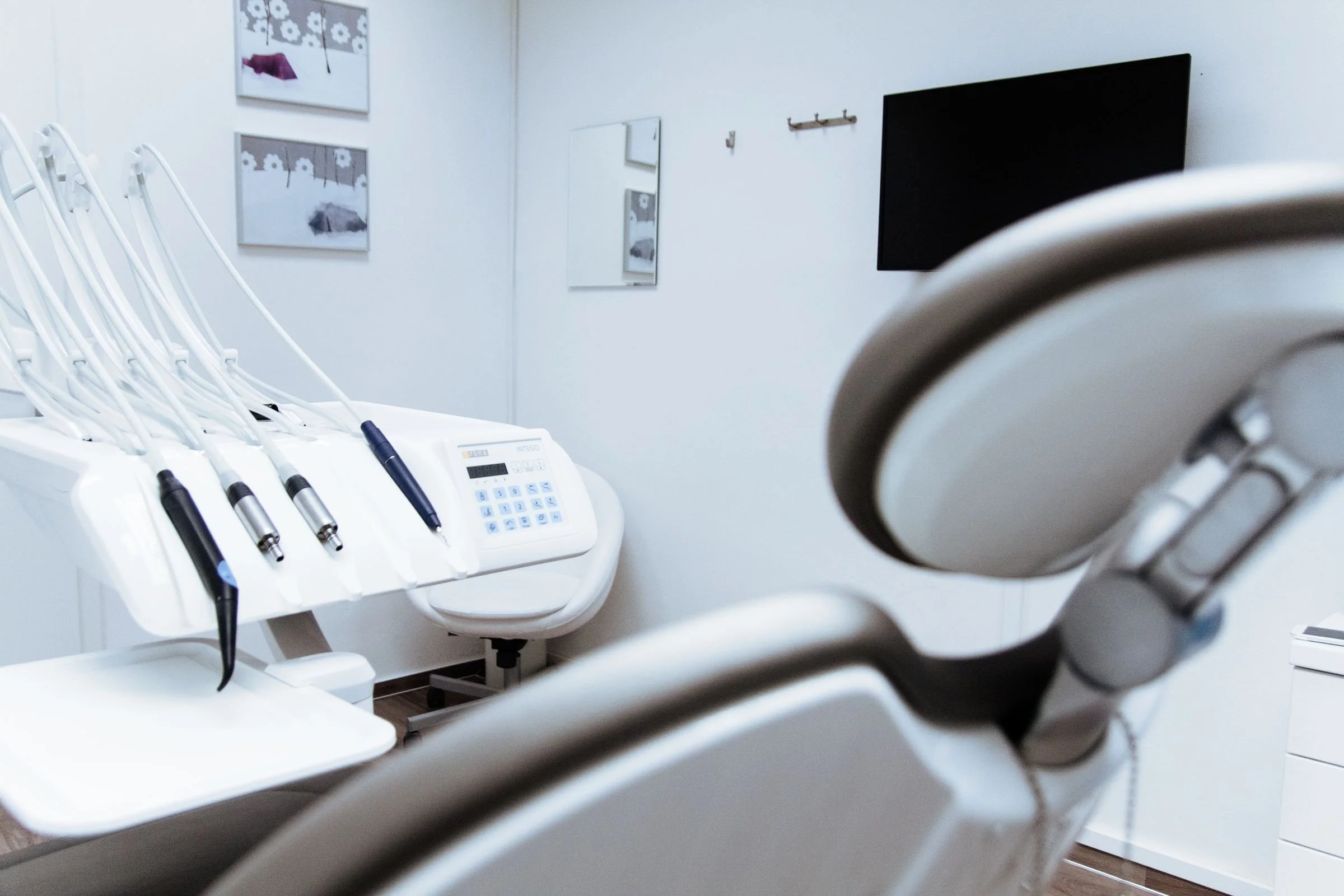
Buying your practice premises: the order from contract to first patient, how the fitout is funded, when works can start and what to do with the old lease.
 Whitecoat Hub
Practice Premises · Settlement · Fitout Finance
Most practice owners plan the move around settlement day. The date that actually sets the cost is when the old lease ends, because every week between settlement and first patient you pay for two sets of rooms.
Quick Answer
Buying your practice premises runs in one order: contract, finance approval, settlement, fitout, first patient. The commercial property loan pays for the building at settlement, while the fitout is usually funded as its own facility through fit-out finance, cash or a practice line of credit. Works rarely start before settlement unless the vendor grants an early access licence, so plan the old lease around a fitout that begins once the keys are yours.
Also called: fit-out, practice fit-out, clinic fitout. Same works, labelled differently by builders, lenders and the ATO.
What is the order from signed contract to fitted-out rooms?
The order is contract, finance approval, settlement, fitout, first patient, and each step depends on the one before it closing. Practice owners who buy their own rooms often try to compress the middle of that chain, and that is where the money and the dates collide. The settlement date is fixed by the contract; the fitout start date is not, because it hangs on settlement and on when the builder can start.
- Sign the contract. The contract sets the deposit, the finance clause period and the settlement date, with settlement periods of around 30 to 90 days, indicative and set by the contract. Commercial terms are negotiated, so a longer settlement can be asked for if the fitout plan needs it.
- Get unconditional finance approval. The lender assesses the practice, the property and the security before the finance clause runs out. A pre-approval obtained earlier speeds this up, but it is not the approval itself.
- Settle. The balance is paid, title transfers to you or your property entity, and the lender registers its first mortgage over the premises.
- Fit out. Design, approvals, construction and equipment installation. For consulting rooms this typically runs around 8 to 16 weeks, indicative, and longer where treatment room plumbing or approvals are involved.
- Exit the old rooms and see the first patient. Make good the old rooms, move equipment, update provider details and open.
| Step | Indicative timing | What funds it | Who signs off |
|---|---|---|---|
| Contract signed | Day one of the timeline | Deposit from cash or equity, typically paid on signing or by a date the contract sets | You, after your solicitor reviews the contract |
| Finance approval | Within the finance clause period, often around 14 to 21 days, indicative and set by the contract | Nothing is drawn yet; the lender assesses and issues approval | The lender, after valuation and credit review |
| Settlement | Typically around 30 to 90 days after contract, indicative | The premises loan plus your contribution | Your solicitor or conveyancer and the lender |
| Fitout works | Typically around 8 to 16 weeks after settlement, indicative, depending on scope | A fitout facility, cash or a line of credit, drawn against invoices or progress claims | The builder, the building certifier and the fitout lender for each draw |
| Old lease exit | Set by the lease end date or a negotiated surrender | Practice cashflow, including make good costs | Your landlord, under the lease terms |
| First patient | Once works are signed off and provider details are updated | Practice revenue | You, after occupancy sign-off where required |
Consumer Affairs Victoria's guide to property settlement explains how the settlement step itself works. The point for a practice owner is that nothing after settlement can be locked in until settlement has a firm date. The medical centre and consulting suite freehold guide covers the buying decision that comes before the contract.
Can the premises loan cover the fitout?
The premises loan covers the fitout only sometimes, because it is sized against the property, and fitout spend rarely adds the same amount to the property's value as security. Most lenders fund the fitout as a separate facility, though policy varies. The commercial property loan pays for the land and the building; joinery, treatment room plumbing, sterilisation areas and clinical equipment are funded beside it.
The reason for the split is the security. A lender's security is the building, and specialised clinical works are built around one practice's way of working. A lender cannot count on getting their cost back if it ever has to sell. Loose equipment is a different asset again, and usually sits better on equipment finance, where the item itself secures the debt.
When can fitout costs sit inside the property loan?
Fitout costs can sit inside the property loan when the purchase carries enough equity and the lender accepts the works as improvements to the building rather than practice fixtures. Some lenders will raise the limit and release the extra in progressive draws as works are completed and inspected. Others cap the loan at the purchase and leave the fitout to a separate deal. Which one you get depends on the lender, the practice's numbers and how much of the work is structural.
Where the practice already has a facility, a practice line of credit in the premises year can carry the gap between settlement and the fitout facility being in place. The breakdown of medical fitout loan terms, deposits and security covers what that facility usually looks like. More premises and practice finance sits on the Whitecoat Hub, and the Whitecoat pack lists what a lender asks a medical, dental or allied health practice to provide.
Can you start the fitout before settlement?
You can start the fitout before settlement only if the vendor agrees to an early access licence, and many vendors either refuse or allow limited work. The licence is a written agreement, usually signed alongside the contract or soon after, that lets the buyer onto the premises before title transfers. It is the most asked question about this sequence, and the answer is rarely a clean yes.
An early access licence commonly comes with conditions:
- Insurance. Public liability and contract works cover in place before anyone goes on site.
- Limited scope. Measuring, design surveys and non-structural preparation are allowed far more often than demolition or plumbing.
- Risk stays with you. If the contract does not settle, the works and the money spent on them generally stay behind.
- Indemnity and reinstatement. You may have to indemnify the vendor and restore the premises if the sale falls over.
The lending rule here is blunt: no lender funds works on a building its mortgage does not yet secure. Any pre-settlement work is paid from your own cash, which is why most practice owners limit it to design, quotes and approvals, then build once the keys change hands. Have your solicitor draft or review the licence before you sign it.
What can be done before settlement without an early access licence?
A good share of the fitout work can be done before settlement without stepping on site. Plans, builder quotes, equipment orders with delivery timed after settlement, approvals where the vendor gives owner's consent, and the fitout finance application itself can all move during the settlement period. The clinic fitout finance documents checklist lists what a fitout lender asks for, so that file is ready the week you settle.
How is fitout finance drawn once you own the premises?
Fitout finance is drawn against invoices or progress claims once you own the premises, not as a lump sum on day one. The lender pays the builder or supplier directly, or reimburses you against a paid invoice, as each stage of work is done. That keeps the debt matched to what has actually been built.
The common structure splits the fitout in two:
- Equipment and loose items. Dental chairs, sterilisers, imaging units and furniture usually go on equipment finance or a chattel mortgage, secured by the items themselves.
- Building works. Joinery, partitions, plumbing, electrical and data are funded by a term facility, secured over the premises or the business, depending on the lender.
The fitout finance guide explains each structure in detail. On a practice that has just bought its building, the lender also checks that the premises loan and the fitout facility together still leave the practice comfortable on serviceability, because both repayments start within weeks of each other.
Is a fitout in owned premises still a leasehold improvement?
A fitout in owned premises is not a leasehold improvement in the strict sense when the practice owns the building outright. In rented rooms the same works are leasehold improvements that you often leave behind at lease end. Where the property sits in a separate entity from the practice, the practice usually still leases the rooms, and that lease decides who owns the fitout. How that is structured and depreciated is a question for your accountant.
What happens to your old lease while the new rooms are fitted out?
Your old lease keeps running while the new rooms are fitted out, so for a period you pay rent on the old rooms and repayments on the new loan at the same time. That overlap, plus the cost of make good on the old lease, is what most practice owners underestimate. It is set by the old lease end date and by how long the fitout takes after settlement, and neither moves easily.
Three things decide how much the overlap costs:
- The lease end date, or an early exit. Some landlords accept a negotiated surrender, others hold you to the term. A lease that ends before the new rooms are ready can leave you with nowhere to consult, so check whether a short holdover is possible.
- Make good on the old lease. Most commercial leases require the tenant to return the rooms to a condition the lease specifies. Clinical fitouts with plumbing and specialised services can make that a material cost, and a few weeks of works of their own.
- Fitout timing. Every week the new fitout runs late is another week of double occupancy costs.
If the old rooms' fitout was financed, that loan normally keeps running after you leave, so count its repayments in the overlap budget too. The explainer on a business loan for a leased practice fit-out covers how those facilities are usually set up.
When do you update your practice address with Medicare and Ahpra?
You update your practice address with Medicare and Ahpra before the first patient is seen at the new rooms, not after. Medicare provider numbers are tied to a practice location, so each practitioner typically needs a provider number for the new address before billing from it. Ahpra registration details, including your principal place of practice, need updating as well. Build the lead time for both into the plan, and check the current process with Services Australia and Ahpra directly.
What delays settlement, and what does a late settlement cost?
Settlement is most often delayed by finance that is not yet unconditional, a valuation that needs more time or more equity, documents still outstanding on the vendor's side, or the buyer's own funds not being ready on the day. A late settlement costs more than the wait. The contract usually lets the vendor charge penalty interest for each day the buyer is late, and every day of delay pushes the fitout and the first patient back with it.
The guide to penalty interest on late settlement covers how that charge works. Where a later date suits you from the start, negotiate it into the contract as a deferred settlement rather than hoping to stretch it once signed. If the end of the financial year matters to the timing, the explainer on settling a commercial property loan before the end of the financial year covers the trade-offs.
Sequenced move
- Settlement date negotiated with fitout time in mind
- Fitout facility approved before settlement, drawn after
- Builder booked to start soon after settlement
- Old lease ends after the expected fitout finish
- Provider details updated ahead of opening
Collided move
- Old lease ends before the new rooms are ready
- Works started early with no licence and no lender support
- Fitout assumed inside the premises loan, never approved
- Builder committed before finance is unconditional
- Penalty interest running on a slipped settlement
A practice buying its premises moves through one chain: contract, finance approval, settlement, fitout, first patient. The premises loan settles the building, the fitout is usually a separate facility drawn against invoices, and works before settlement need an early access licence and your own cash. The cost most owners miss is the overlap of rent on the old rooms, make good, and new repayments.
Key takeaway: fix the settlement date first, have the fitout facility approved before you settle, and set the old lease exit around the fitout finish, not the settlement date.Frequently Asked Questions
A medical fit out loan is usually separate from the premises loan, because the premises loan is sized against the building and fitout works add less to its value as security. Most practices fund the fitout as its own facility, with equipment on equipment finance and building works on a term facility, depending on the lender. The medical fitout loan terms explainer sets out the usual structure.
The outgoing tenant usually pays make good when a practice moves out, because most commercial leases require the rooms to be returned to the condition the lease specifies, often stripped of clinical plumbing and joinery. The scope sits in the make good clause, so have your solicitor read it before you set a moving date, and count it in the overlap budget alongside rent and the new loan. Where the old fitout was financed, the leased practice fit-out loan explainer covers what keeps running.
A fitout period when you buy your premises is the time between settlement and opening, while the rooms are built and equipped. Unlike a fitout period on a lease, no landlord grants rent-free weeks, so loan repayments run from settlement while the rooms earn nothing. For consulting rooms it typically runs around 8 to 16 weeks, indicative, which is why settlement timing and the old lease end date need planning together.
Getting the keys before settlement to start building is only possible if the vendor grants an early access licence, and many vendors refuse or limit it to non-structural work. Any works done before settlement are at your own risk and paid from your own cash, because no lender funds works on a building it does not yet hold as security. Have your solicitor review the licence terms before anyone goes on site.
Paying rent on your old rooms and the new loan at the same time is normal for a practice buying its premises, because the old lease keeps running while the new rooms are fitted out. The overlap usually carries make good costs on the old rooms as well. Lenders assess serviceability with both costs in view, so budget the overlap before you sign.

 FBAA Accredited
