
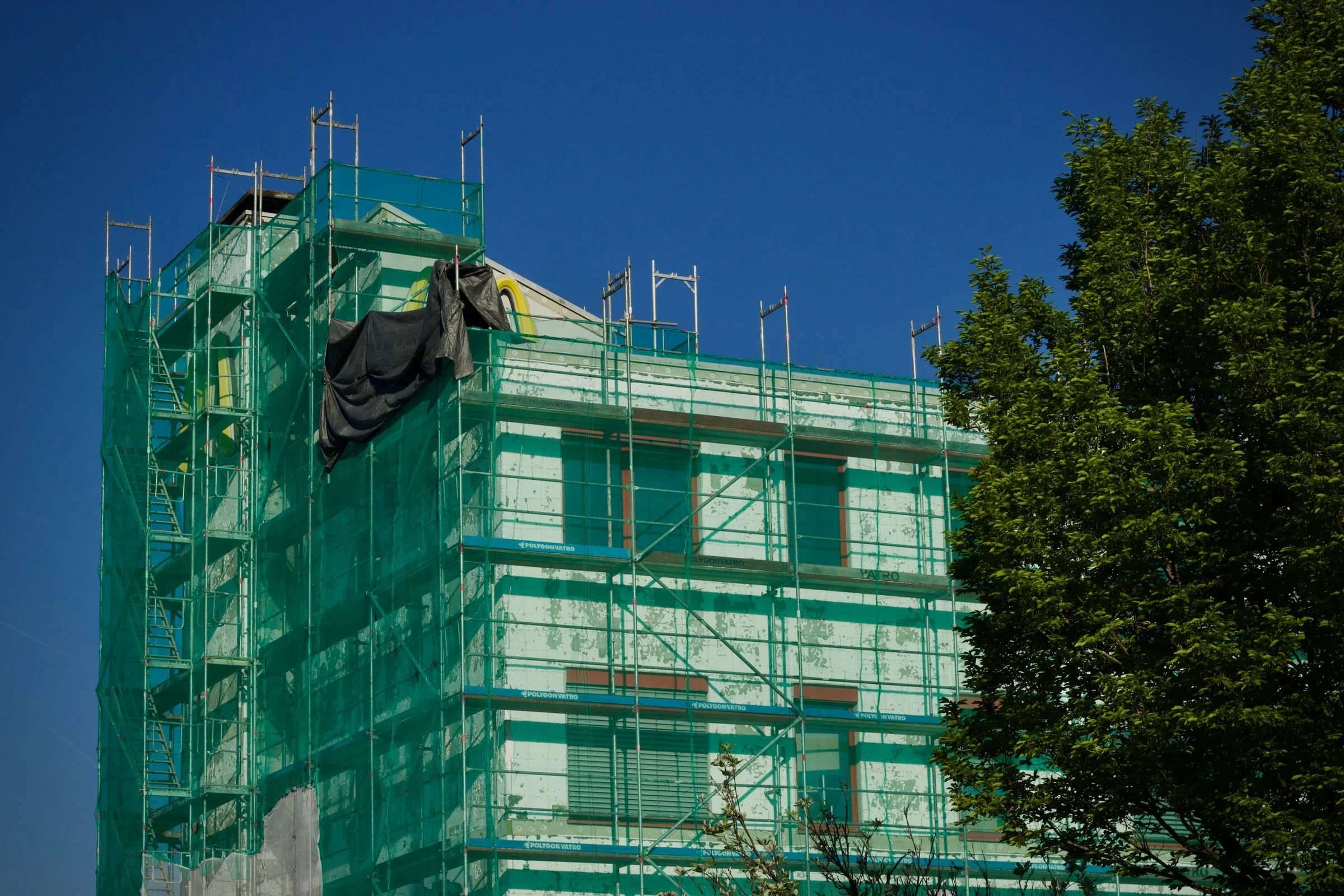
How long construction finance takes, stage by stage, from application to the first progress payment, what slows it and how to pack a faster file.
 Construction Hub
Construction Finance · Timeline · First Draw
Construction finance runs on a stage clock. Here is how long each stage typically takes from application to the first progress payment, what usually slows it down, and what a business owner or small developer can prepare so the file keeps moving.
Quick Answer
Construction finance moves through a set of stages, from the file and lodgement to valuation, formal approval, signing and the first progress payment, and most of the waiting sits between those stages rather than inside the lender's credit decision. From application to the first progress payment usually takes weeks to a couple of months, indicative and varies by lender. The stages run in order: prepare the file, lodge, value, approve, settle, then draw. Packing the file before lodgement is the part you control, which is what a construction loan pack is for. Each later draw follows the progress claim schedule in your contract.
Also called: construction loan approval time, construction finance timeline.
How long does each stage of construction finance take?
Each stage of construction finance typically takes from a few days to a few weeks, and the full run from first conversation to the first progress payment is usually measured in weeks to a couple of months, indicative and varies by lender. That is the stage clock. It is not one long wait in a credit queue. It is a chain of handovers between you, your accountant, your builder, the valuer, your solicitor and the lender, and the delays almost always sit at a handover rather than inside a stage.
- Prepare the file. You gather the signed building contract, final plans and specification, council approval or building permit, and your income and asset evidence. Typically 1 to 2 weeks if your BAS and financials are current; longer if your accountant is still finishing the year.
- Lodgement to conditional approval. The lender assesses you, the land and the build on paper. Typically several business days to around 2 weeks, varies by lender. The construction finance guide covers approval time across bank, non-bank and private lenders in more depth.
- Valuation, and a quantity surveyor where needed. The valuer prices the land and the finished build on the plans and contract you supplied. Larger or commercial builds may also need a quantity surveyor report. Typically 1 to 3 weeks, indicative.
- Formal approval and the loan offer. Once the valuation and every condition are cleared, the lender issues formal approval and loan documents. Typically around a week after the last condition is met.
- Signing and settlement. You sign, your solicitor returns the documents, and the lender settles: it pays out the land purchase or any existing loan and sets up the construction facility. Typically 1 to 2 weeks, depending on solicitor turnaround.
- First progress payment. The builder lodges the first claim and the lender checks its first progress payment conditions before paying. Formal approval to first draw, often several weeks, indicative and varies by lender.
This insight stops at the first draw. How quickly each later claim is paid while the build is under way is covered in drawdown and progress payment speed, and the mechanics of each claim are in the progress claims and drawdowns guide.
What happens between construction loan approval and the first progress payment?
Between formal approval and the first progress payment, the loan settles and the lender then waits for the build to reach its first stage with every condition satisfied. Many borrowers expect money to flow the day approval lands. It does not. Formal approval means the lender has agreed to lend; the first draw only happens once the paperwork behind the first claim is complete.
The first thing a lender checks on that claim is whether it matches the payment schedule in the contract they approved. The first progress payment conditions typically include:
- Loan documents signed and settled. No settlement, no draw.
- The builder's insurance certificate on file. Lenders usually want the statutory home building insurance or warranty certificate before they release anything.
- Building approval or permit issued. A lender will not fund a build that cannot legally start.
- Your own contribution spent first. Most lenders expect the borrower's cash contribution to go in before the loan funds anything, so the deposit is commonly paid from your money.
- A claim that matches the contract. The stage and amount on the invoice should line up with the schedule in your fixed price building contract.
- Stage confirmation. Depending on the lender, a valuer's inspection, a builder's certificate or both.
In New South Wales, the government's guidance on building contracts sets three rules that bear directly on this window. A builder can take a deposit of no more than 10 per cent of the contract price; a contract for work over $20,000 needs a progress payment schedule; and no deposit or payment can be taken until Home Building Compensation cover is in place and the certificate has been issued. The detail is on the NSW Government building contracts page (last updated 29 April 2026, read 27 November 2026). Other states run their own deposit and insurance rules through their fair trading or building authority.
Builders watch this window as closely as you do, because it decides when they get paid; see how builders read a client's construction loan, and what a lender expects of the contract itself in which building contracts lenders accept.
What slows construction finance down?
Construction finance is usually slowed by gaps in the file and changes to the build, not by the lender's credit decision. The usual pinch point is the valuation: the valuer needs final plans, the full specification and the signed contract price, and any one of them arriving late or changing afterwards restarts that stage.
| Stage | Indicative time | What commonly holds it up | What keeps it moving |
|---|---|---|---|
| File preparation | Typically 1 to 2 weeks | BAS not lodged, draft financials, contract not signed | Current BAS and financials before you start |
| Conditional approval | Typically several days to around 2 weeks, varies by lender | Income questions answered one at a time, credit history queries | Answer every question in one round |
| Valuation | Typically 1 to 3 weeks | Plans or specification not final, site access, valuer queue | Final plans, specification and contract price sent together |
| Quantity surveyor (larger builds) | Indicative, varies by lender and surveyor | Builder's cost breakdown not matching the contract | Itemised cost breakdown ready at lodgement |
| Formal approval | Typically around 1 week after conditions are met | Conditions cleared slowly or out of order | Clear each condition as soon as it is set |
| Settlement | Typically 1 to 2 weeks | Solicitor turnaround, title or existing loan issues | Solicitor briefed before formal approval |
| First progress payment | Often several weeks after formal approval, indicative | Insurance certificate missing, claim not matching schedule, permit not on file | Builder's paperwork checked before the first claim goes in |
Three things outside the table cost the most time in practice. A contract variation signed after the valuation usually sends the file back to the valuer. Council approval that arrives later than expected holds formal approval or the first draw, because most lenders need it before funds flow. And documents sent in pieces mean the assessor reopens the file several times instead of once. On larger builds, a cost plan the surveyor cannot reconcile to the contract is its own delay; the quantity surveyor report insight covers what they test.
How long do you have to start building after construction loan approval?
How long you have to start building is a start-building deadline, set in the loan offer, and it varies by lender. Construction loans commonly require work to begin within a set number of months of settlement and the build to reach practical completion within a set build period. Miss the start date and the lender may ask for a fresh valuation, updated documents or a formal extension before it funds the first stage.
Read the offer for both dates before you sign, and check them against your builder's realistic start. Two other clocks run beside this one. A conditional approval can lapse before settlement, which the construction finance guide covers. Your building contract may also carry a finance clause with its own date for confirming approval; plan the stage clock back from that date, and talk to your solicitor early if it looks tight.
What can you prepare so construction finance moves faster?
The quickest construction finance runs on a file packed before lodgement, because most of the delay comes from documents chased after the lender has already started. A complete file lets the assessor, the valuer and the solicitor each do their stage once.
- Signed building contract with the payment schedule, and the builder's licence details.
- Final plans and full specification, the same versions the valuer will see.
- Council approval or building permit, or the date you expect it.
- Income evidence for a self-employed borrower: recent BAS, financials and tax returns, or the low doc evidence your lender accepts. The low doc income documents guide sets out the options.
- Proof of your contribution, cash in an account or equity in another property.
- Land details: the contract or title, and statements for any loan already on it.
- Insurance and warranty details from your builder, so the first claim is not waiting on a certificate.
The construction loan pack turns this into a checklist you can hand to your accountant and builder, and the Construction Hub collects the rest of our construction insights. Self-employed borrowers building their own home will find the income side in the self-employed construction loan guide; if you plan to manage the build yourself, the path is different again, covered in the owner builder construction loans guide.
Is there a faster type of construction finance, and what does it cost you?
The faster type of construction finance is usually a non-bank or private funder that assesses and settles more quickly, and the cost is typically a higher rate and higher fees than a bank. These lenders tend to lean on the security and the exit rather than working through every line of your income, which is where the time is saved. Terms are usually shorter, and interest is often capitalised; the capitalised interest entry explains how that works.
Speed is not only a lender choice, though. A complete bank file can move faster than an incomplete private one, so pack the file first and weigh the extra cost against what a delayed start would cost the build. The private lending page explains when a private funder fits, the fast approval entry covers what speeds an approval, and for a whole-project facility on a build to sell, development finance runs a longer clock. Commercial builds follow the same stages with more checks; see how commercial construction loans work.
Construction finance runs on a stage clock: prepare, lodge, value, approve, settle, then draw. Each stage typically takes days to a few weeks, and the stretch from formal approval to the first progress payment is often several weeks on its own because the loan must settle and every first-draw condition must be met. Most delay comes from gaps between stages: plans that change after valuation, a missing insurance certificate, documents sent in pieces. Faster lenders exist, at a price, but a complete file is the cheapest speed available.
Key takeaway: pack the contract, plans, approvals, income evidence and the builder's insurance before lodgement, and check the start-building date in the offer before you sign.Frequently Asked Questions
Fast construction finance is construction lending set up to reach approval and the first progress payment sooner, either through a lender with a quicker turnaround or through a file that is complete when it is lodged. In practice the quickest options are often non-bank or private funders, and they usually cost more than a bank. The fast approval entry explains what speeds an approval up.
The development finance approval process runs from the lender assessing the borrower and the project, through the valuation and any quantity surveyor report, to formal approval, loan documents and settlement. Larger projects add feasibility and presale checks, so the clock is usually longer than for a single home build. The property development finance guide covers the full process.
The time from formal approval to the first progress payment is often several weeks, indicative and varies by lender, because the loan has to settle and the build has to reach its first stage with every condition met. A missing insurance certificate or a claim that does not match the contract's payment schedule are the usual holdups. See how progress claims and drawdowns work.
A builder generally needs the required home building insurance in place before you pay a deposit, and in NSW the government's guidance says no deposit or payment can be taken until Home Building Compensation cover is certified. Other states run their own rules, so check with your state's fair trading office. Your lender will usually ask for the certificate before the first progress payment, and the fixed price building contract entry covers what else the contract needs.
Fast construction finance is usually more expensive than a standard bank construction loan, because the lenders that move quickest typically charge higher rates and fees for the speed and flexibility. The gap varies by lender and deal, so weigh it against what a delay would cost the build. See how private lending is priced and used.

 FBAA Accredited
