
What Lenders See in a Low Doc Civil Plant File (2026)
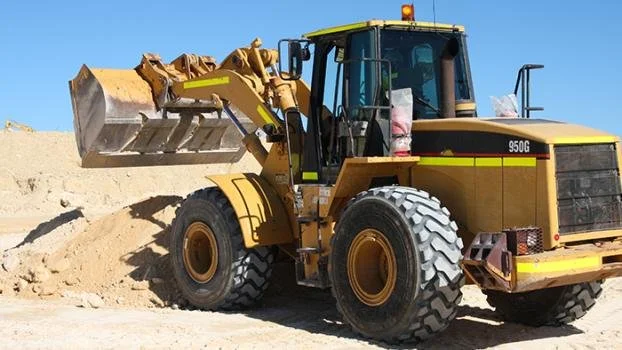
Low doc civil plant finance from a lender's view – excavators, rollers and trucks – Switchboard Finance
 Construction Hub
Low Doc Asset Finance · Excavators · Rollers · Trucks · Civil Plant
What Lenders See in a Low Doc Civil Plant File (2026)
A low-doc civil plant file isn't read like a vanilla asset deal. The credit team is hunting for cashflow consistency on BAS, a clean PPSR picture, supplier-invoice integrity and a resale read on the asset itself. This is what's actually on the assessor's screen — and what makes the file pass on the first pass instead of bouncing back for a tax return.
Quick Answer
On a low doc asset finance file for civil plant, lenders read four things: ABN age and GST registration, recent BAS plus three to six months of business bank statements, a clean PPSR picture, and the supplier invoice tied to a resale-strong asset. No tax returns, no full financials — but every input above has to line up. Soft on any one of them and the file moves to a full-doc pathway.
What "Low Doc" Actually Means on a Civil Plant File
Low doc on civil plant doesn't mean "no documents." It means the assessment runs on a defined, narrow document set — and the credit team is looking for internal consistency across that set rather than reading two years of tax returns. The substitute for the tax-return view is a triangulation: BAS confirms the income story, bank statements confirm the cashflow rhythm, and the supplier invoice plus PPSR read confirm the asset side. If those three sources tell the same story, the file passes on a low-doc program. If they diverge, it gets pulled to full-doc.
For a civil contractor buying an excavator, roller, tipper or skid steer, this matters because the alternative — full financials, signed accountant declaration, sometimes a debtor list — adds days to settlement and usually drags the deal past the supplier's quote validity. The whole point of the low-doc pathway is settlement speed against a delivery window. The trade-off is that the file has zero tolerance for inconsistency.
The Four Things on the Assessor's Screen
A credit assessor reading a low-doc civil plant file is moving through four panels in sequence. Each panel either greenlights or stalls the next. Here is what each panel contains, what the assessor is testing, and what makes the file pass without a callback.
The order matters. If borrower identity fails on ABN age or director credit, no other panel matters. If the servicing read is soft, the asset panel can sometimes carry the file with a deposit lift or a shorter term — but only on a strong asset. If the asset panel is weak (private sale, niche brand, high hours), even a perfect servicing read can stall the file. For the underlying category, see equipment finance and the excavator finance glossary entry. For how this file feeds the bigger development picture, the same servicing logic appears on dev deals — covered in how development finance works.
What Works on a Low Doc File vs What Stalls It
The same lender, same product and same asset class can give two civil contractors two completely different answers. The difference is rarely about the operator and almost always about the file shape. Here is the practical split between what lands a quick approval and what sends the file back for more documents.
Works on the First Pass
- ABN 24+ months, GST registered for 12+ months
- BAS lodged on time, turnover line aligns with deposits
- Three months of clean bank statements, no NSF clusters
- Supplier on the lender's panel or major dealer
- Mainstream brand of plant with strong resale
- PPSR shows facilities matching the file declarations
Stalls or Bounces to Full Doc
- ABN under 24 months without strong director history
- BAS late or out of step with bank-statement deposits
- NSFs, gambling clusters, undisclosed BNPL repayments
- Private-sale plant from off-panel supplier
- Niche brand or imported plant with thin resale
- Undeclared facilities surfacing on PPSR mid-deal
If a file lands in the right column, the response usually isn't "declined" — it's "we need more." That can mean a recent quantity surveyor or accountant statement on contract pipeline, a deposit step-up, or a pivot to a different lender tier. A broker's job is to read which lever to pull before the file is submitted — not after a knock-back. For the geo-specific version of this read, see the Melbourne civil plant finance checklist, and for the funding-stack overview see the civil contractor funding stack.
Why PPSR and Supplier Invoice Integrity Decide Borderline Files
On the borderline files — the ones where servicing is OK but not stellar — PPSR and the supplier invoice do the heavy lifting. PPSR matters because it's where the assessor finds out whether the borrower's declared facility list matches reality. An undisclosed registration isn't always a fraud signal; sometimes it's a forgotten lease or a paid-out deal that was never discharged. Either way, the assessor has to reconcile it before signing off. A pre-submission PPSR sweep by the broker — and a discharge action where needed — keeps the file moving.
The supplier invoice does a different job. It tells the assessor whether the asset is being bought from a known channel and whether the price aligns with market. Mainstream-brand plant from a major dealer at a fair price slides through. A used machine from a private seller at an above-market price — with a finance request that fully grosses up to invoice — triggers a valuation order and sometimes a haircut. For the deeper read on this, see used civil plant finance and valuation haircuts. The same dynamic applies on rollers and compactors specifically — see the compactor and roller finance approval checklist.
If your file is sitting on the borderline of borrower identity or servicing, the right move usually isn't to argue the lender's view — it's to brief the file properly so the supplier invoice and PPSR sweep do the work the BAS can't. Check eligibility if you want a pre-submission read on which lender tier matches your file shape.
Industry context for this read: the Urban Development Institute of Australia (UDIA) has consistently flagged plant-finance availability and ABN-history barriers as drag factors on civil sub-contractor capacity through 2025–2026. The lender response has been narrower low-doc product tiers, not broader ones — which is why the file shape matters more than ever.
A low-doc civil plant file at low doc asset finance assessment is read across four panels: borrower identity, servicing, PPSR and asset. Each panel is narrow but unforgiving — the credit team is looking for internal consistency across BAS, bank statements, PPSR and the supplier invoice. Strong on all four and the file passes on the first pass; soft on any one and the file either pivots to full-doc or stalls. Brokers exist to read the file shape before submission, not patch it after a knock-back.
Key takeaway: Lenders aren't asking for less work on a low-doc file — they're asking for the right work. Get the four panels lined up and the file moves at the supplier's pace, not the assessor's.Frequently Asked Questions
No. A low doc asset finance file is built from BAS, three to six months of business bank statements, the supplier invoice and a PPSR sweep — not from full tax returns. The credit team triangulates servicing across BAS and bank statements rather than reading personal or company tax returns. Where the file shape is borderline, the lender may request an accountant declaration or recent contract evidence, but that's a top-up to the low-doc pack rather than a switch to full doc. See the equipment finance page for the underlying product.
Mainstream low-doc programs want the ABN to be 24 months or older with GST registered for 12+ months. Specialist programs will look at a 12-month ABN if there is strong director history in the same trade and consistent trading visible on bank statements. Brand-new ABNs typically pivot to a full-doc pathway, a stronger deposit, or a director-guarantee structure. The construction hub covers how trading-history thresholds sit across the asset, cashflow and property facilities a civil operator might stack.
Often yes — and almost always on a low-doc program. Most lenders want the supplier on their panel or a recognised major dealer; private-sale plant typically triggers a valuation order, sometimes a haircut to invoice, and occasionally a switch to a different lender tier. It doesn't mean the deal is dead — it means the file needs the supplier-invoice integrity replaced by an independent valuation and a PPSR check on the seller. See used civil plant finance and valuation haircuts for the assessor's read on this scenario, and excavator finance for the glossary entry.
PPSR records security interests over the borrower's assets — registered chattel mortgages, leases, hire-purchase facilities and similar. A credit report tells the assessor about the borrower's repayment behaviour; PPSR tells the assessor what's already secured against the entity and its plant. The two read together is what gives the credit team a complete picture of existing exposure. Undisclosed PPSR registrations are the most common cause of mid-deal file pauses on civil plant — usually old paid-out facilities that were never discharged. A pre-submission sweep avoids the surprise. The related director penalty notice glossary entry covers a related disclosure obligation.
Yes, and this is common for civil operators sub-contracting into developments. The plant file is a low-doc asset deal assessed on BAS and bank statements; the development facility is a separate piece of work assessed on feasibility, LVR, staged drawdowns and exit strategy. The two facilities sit on different lenders, different products and different timelines — but the same operator's file integrity carries across both. How development finance works covers the development side; the civil contractor funding stack covers how the two stack.

 FBAA Accredited
