
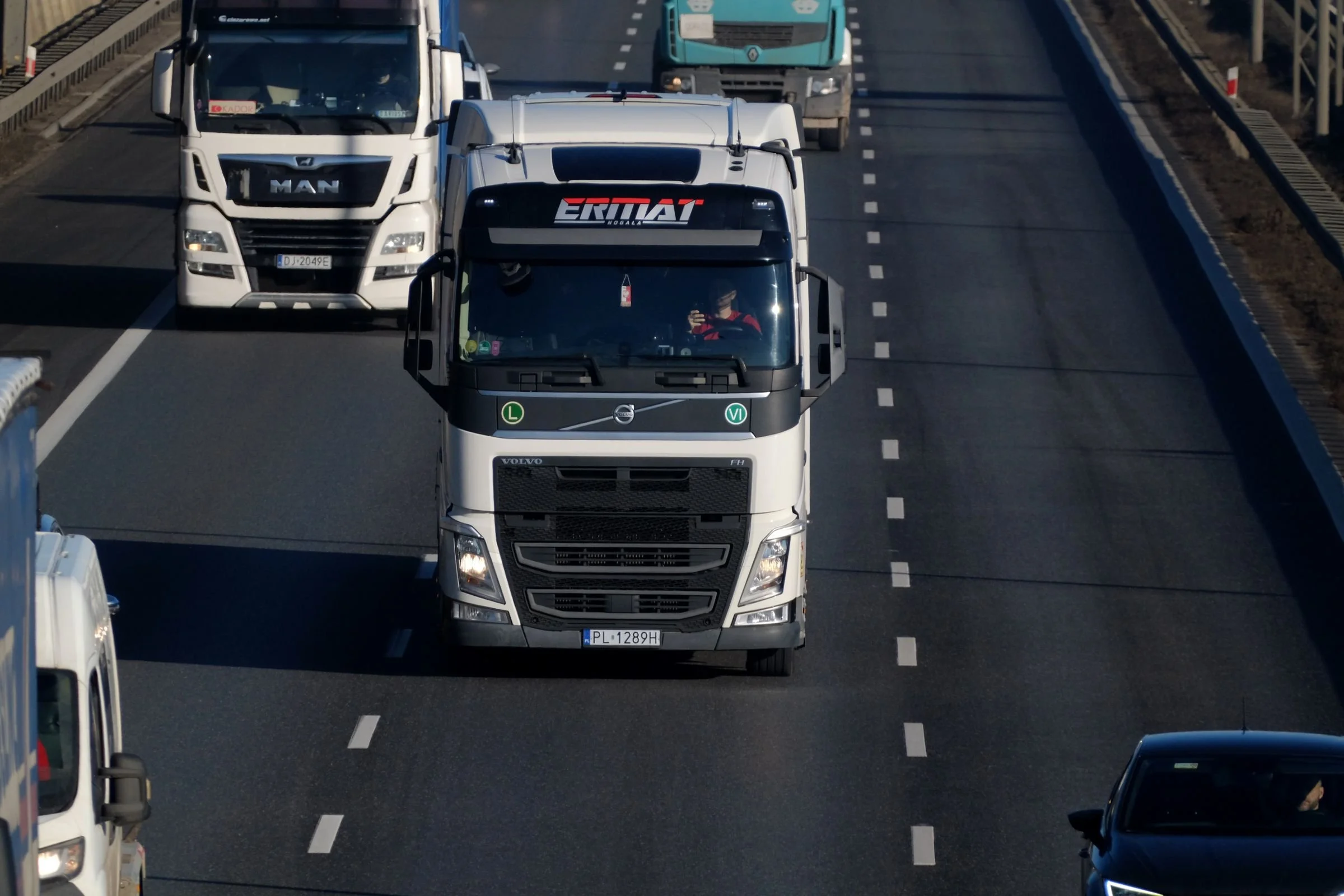
Owner-drivers can use a second mortgage over the home for a truck deposit, rebuild or slow patch. How lenders read freight income and the exit.
 Truckie Hub
Second Mortgage · Owner-Drivers · Freight Income
Picture an owner-driver with one prime mover, a steady run for one prime contractor and a family home that has built up equity. A deposit on a newer truck, a rebuild or a slow month is coming, and truck finance alone will not cover it. This is how lenders read that situation when the house goes on the table.
Quick Answer
An owner-driver who owns a home with equity can often use a business purpose second mortgage for a truck deposit, a rebuild or a quiet patch, but lenders will read the freight income and the exit plan before the house. A business purpose second mortgage sits behind the existing home loan, so the question is less whether the equity is there and more whether the trucking business can show how the loan gets repaid. Truck finance usually stays the first tool for the truck itself; see the Truckie Hub for the rest of the owner-driver toolkit.
Also called: home equity loan for truck drivers, second mortgage for transport operators. Same product: the second phrase usually describes a fleet owner rather than a single-truck owner-driver.
Can an owner-driver get a second mortgage over the family home?
Yes, an owner-driver can usually get a second mortgage over the family home, provided the money is for the trucking business and the first lender's position is respected. The loan is taken for a business purpose, the existing home loan stays exactly where it is with its own lender, and the new lender registers a registered mortgage that ranks second on the title.
That is the whole product in one sentence. How priority, consent from the first lender and the paperwork work is covered in our second mortgage guide for Australian business owners, and the second mortgage glossary entry has the short definition. This post stays on the part that is different for truckies: what the money is for, how freight income gets read, and how the loan ends.
Because the loan is business purpose, it is usually written by private and non-bank lenders rather than major banks. They lend against the equity release in the home, but they still want a believable story about the truck business that carries the repayments.
What do owner-drivers use a second mortgage for?
Owner-drivers mostly use a second mortgage to fill gaps that truck finance does not cover: a deposit, a big repair, a slow stretch or a tax bill. The common uses look like this:
- A deposit on a truck or trailer. Where an asset lender wants a larger contribution than the business has in cash, home equity can supply it while the truck itself stays on a chattel mortgage.
- A major repair or engine rebuild. A truck off the road earns nothing, and a rebuild is often hard to finance on the truck alone once it is older.
- A slow freight period. Seasonal runs, a contract gap or a client paying late can leave fuel, insurance and registration to cover with nothing coming in.
- Fuel and running costs. Some operators use the funds to get ahead of fuel and tyres when a new contract starts and the first payment is weeks away.
An ATO bill is the other common one. If that is the trigger, our post on how an ATO debt gets paid out at settlement covers the mechanics.
The pattern most owner-drivers aim for is a deposit now and a refinance later: the second mortgage covers the gap, and a cheaper long-term loan replaces it once the business can show it. How that plays out varies by lender.
How do lenders read freight income from one prime contractor?
Lenders read freight income from one prime contractor by starting with the contract, not the house: who pays you, on what rates, how often, whether the arrangement is written down, and how much of your income depends on it.
Freight income, read line by line, usually means:
- The contract or rate schedule. A written agreement with a prime contractor, the rates per run or per kilometre, and how long it has been in place.
- Your BAS. Recent business activity statements show turnover, GST and how steady the income is across quarters.
- Fuel tax credits. These sit on the BAS and tell the lender how hard the truck is working. A sudden drop can read as a quiet period, even when there is a good reason.
- Subcontracting. If you subcontract runs to other drivers, lenders separate your own driving income from the margin on others' work.
- Seasonality. Grain, livestock and construction freight move with the seasons, and lenders look at a full year rather than your best quarter.
The honest read is that one prime contractor is one point of failure. Lenders do not decline for it on its own, but they will ask what happens if that contract stops, and a short answer in writing helps more than a long one on the phone. In our own files, a copy of the contract and the last few BAS lodgements answer most of the income questions before they are asked.
What do lenders check on the truck itself?
Lenders also check that the truck is registered, insured and operating within heavy vehicle rules, because a truck that cannot legally run cannot earn. The National Heavy Vehicle Regulator covers heavy vehicle registration, accreditation, access permits and vehicle standards, and a lender may ask for evidence of current registration and any accreditation your contracts require.
Second mortgage, chattel mortgage, truck refinance or working capital: which fits?
A second mortgage fits when the need is not the truck itself, while truck finance, a truck refinance or a working capital facility usually fits better when the truck can carry the loan. The rule of thumb is truck finance for the truck, equity for the gap.
| Option | What secures it | What the lender reads | Speed, indicative | What is at risk |
|---|---|---|---|---|
| Second mortgage over the home | The family home, ranking behind the first mortgage | Equity in the home, freight income, the exit plan | Often quicker than a bank, depends on valuation and first lender consent | The home |
| Chattel mortgage on the truck | The truck or trailer being bought | The asset, its age, your trading history and credit file | Usually the simplest path for a truck purchase | The truck |
| Truck refinance with equity release | A truck you already own outright or mostly paid off | The truck's value and condition, your income | Depends on the truck's age and a valuation | The truck |
| Working capital facility | Often unsecured or secured over business assets | Bank statements and turnover | Can be fast, usually priced higher | Business cash flow, often a personal guarantee |
If the truck already has equity in it, releasing that first keeps the house out of it; our post on truck refinance and equity release for working capital shows how that works. If you are lining up several facilities at once, the FY27 truckie finance stack covers the order to take them in.
When the house can carry it
- The need is a deposit, a rebuild or a cash gap, not the truck
- The truck is too old or too new to release equity
- There is a clear date or event that repays the loan
- The freight contract is written and steady
When the house should stay out of it
- You are buying the truck itself and an asset lender will fund it
- The truck has equity that can be released first
- There is no realistic way to repay the second mortgage
- The only contract is verbal and could stop next month
What are the risks of putting the house behind the truck business?
The main risk of putting the house behind the truck business is that a problem with the truck or the contract becomes a problem with the family home. The truck can be replaced; the house is harder to get back.
The events that turn a sensible loan into a hard one are mostly outside your control:
- Losing the contract. If the prime contractor ends the arrangement, income can stop before the second mortgage is repaid.
- An accident or breakdown. A truck off the road for weeks stops income while repayments continue.
- A health event. For a single-truck operator, the driver is the business.
Insurance matters here: truck cover, cover for loss of income and the terms of your freight contract all decide how long you could keep paying if the truck stopped. How a second mortgage over the family home interacts with your truck insurance, income protection and contract terms is a question for your accountant and your insurance adviser.
Before you agree to put the house behind the truck, ask what your plan is if the contract stopped in the first few months. If there is no answer, a smaller loan, a truck-secured option or waiting may be the better call.
How do owner-drivers get out of the second mortgage?
Owner-drivers usually get out of a second mortgage by refinancing into a cheaper long-term loan, selling an asset or using a lump-sum contract payment. Lenders want to hear which one before they lend, because a second mortgage is short-term money and the exit strategy is part of the approval.
- Refinance once returns are lodged. When the tax returns show the stronger year, the second mortgage can often be rolled into a home loan; a One Doc home loan is one route for self-employed borrowers.
- Sale of a truck or trailer. Upgrading out of an older unit can free cash to repay the second mortgage.
- A contract payment. Some contracts pay a lump sum at milestones or season end, which can clear the loan.
The test is simple: the exit has to outrun the contract. If the contract could end before the exit arrives, the plan needs a backup. Our post on getting out of a business-purpose second mortgage covers the general rules lenders apply.
What should an owner-driver have ready before asking?
An owner-driver should have the freight contract, recent BAS, the home's rates notice and the latest first mortgage statement ready before asking for a second mortgage. That set answers the income, property and priority questions in one go:
- Freight contracts or rate schedules with each prime contractor, plus a recent remittance or invoice.
- Recent BAS lodgements and, if you have them, the last tax return.
- A council rates notice for the home, so the lender can identify the property.
- The first mortgage statement showing the balance and repayments.
- Truck details: registration, insurance and any finance already on it.
- A short note on the exit: how and when the second mortgage gets repaid.
Lenders also look at your credit score and any arrears, so it helps to know what is on your file before you start. If you want to see where you stand first, you can check eligibility in a few minutes, and the Truckie Loan Pack lists the documents truck lenders ask for.
A second mortgage over the family home can give an owner-driver the deposit, the rebuild money or the breathing room that truck finance will not. Lenders read the freight contract and the BAS before they read the house, they look hard at reliance on one prime contractor, and they want a clear exit. Use truck finance for the truck where it works, and keep the house for the gap it cannot fill.
Key takeaway: before you put the house behind the truck, write down how the loan gets repaid and what happens if the contract stops.Frequently Asked Questions
An owner-driver can often use home equity for a truck deposit through a business purpose second mortgage, with the truck itself still financed separately. The lender looks at the equity in the home, the freight income and how the second mortgage will be repaid. Many owner-drivers plan to refinance it into a longer-term loan once their returns show the stronger year.
A second mortgage is usually not better than a chattel mortgage for buying the truck itself, because a chattel mortgage is secured by the truck and keeps the house out of it. A second mortgage fits the gaps a chattel mortgage does not cover, such as a larger deposit, a rebuild or a slow period. Many owner-drivers use both, each for its own job.
Lenders assess owner-driver income with one prime contractor by reading the contract, the rates and recent BAS lodgements, including fuel tax credits. Relying on one contractor is not an automatic no, but lenders will ask what happens if that contract ends. A written contract and a clear exit plan make the strongest case.
You can often use a second mortgage on your house to pay a tax bill from your trucking business, because clearing a business tax debt is a business purpose. The lender will want to see how the second mortgage gets repaid, and the debt is usually paid out at settlement. Our post on ATO debt payout at settlement explains how that works.
If the truck is off the road, your second mortgage repayments still fall due, because the loan is secured on the house, not the truck. That is why lenders and borrowers both look at insurance, savings and the exit strategy before the loan is written. If trouble is coming, speak to the lender early rather than after a missed payment.

 FBAA Accredited
