
Stacking a Private Mortgage Behind a Bank Senior in 2026
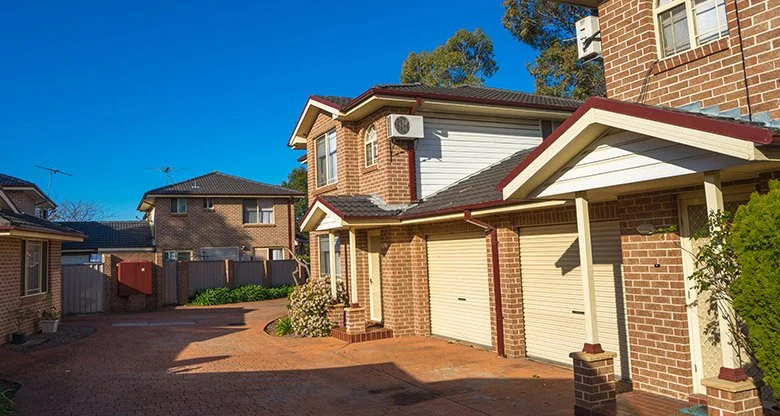
Stacking a Private Mortgage in 2026 | Switchboard Finance
 Property Lending Hub
Private Mortgage · Stacking · Second Mortgage
Stacking a Private Mortgage Behind a Bank Senior in 2026
A side-by-side read on how a private mortgage stacks behind a bank first in 2026, across position, consent, aggregate LVR ceiling, pricing posture, exit horizon, and EOFY interest deductibility timing. Each side of the stack is assessed on its own dimensions.
Quick Answer
Stacking a private mortgage behind a bank first means the private facility sits in second-ranking position on the same property, with the bank keeping first call. The aggregate LVR ceiling and the bank's consent letter are usually load-bearing on whether the stack lands.
What stacking actually means here
From the build side, stacking a private second behind a bank first starts with a consent letter, and here is what each side of the stack assesses on its own dimensions. The bank senior keeps first call on the property security and assesses against bank policy. The private second is a second mortgage or, in faster cases, a caveat lodgement, and it sits behind the bank in the priority order with its own pricing and exit.
This is stacking, not stretching. Each facility has a non-overlapping role: the bank first carries the long-dated, lower-cost coverage, and the private second covers the gap to the borrower's required capital position. The two lenders look at the same property, but they are testing different things, and an explainer on how a second mortgage works covers the mechanics.
The borrower's package needs to deal-shape for both. A clean stack has the bank serviceability test passed on the senior, an aggregate LVR ceiling that the private second is comfortable with on top, and an exit plan that retires the private facility on a defined timeframe.
Bank senior versus private second, on each dimension
This table reads the stack one row at a time. The left column names the dimension; the middle column is what the bank senior brings on that dimension; the right column is what the private second brings on the same dimension. The same property is the underlying asset; the two lenders test different things against it.
The dimension that most files trip on is consent. The first-mortgage consent letter is where the bank tells the private lender, in writing, that a second-ranking interest is acceptable. In practice, private lenders will not fund without it, and a few banks will not give it in a reasonable timeframe. That can be the gating item on a stacked deal even where the headline numbers work. Striking-distance reading on second-mortgage rates in Australia for 2026 sits alongside this for pricing context.
EOFY interest deductibility, the 30 June 2026 read
Interest on the private second is a separate line item from interest on the bank first, and that separation matters at tax time. Deductibility hinges on the use of borrowed funds rather than the identity of the lender; where the funds are used for an income-producing purpose, the interest is generally deductible in the income year it is incurred, subject to your accountant's read on use of funds. The EOFY 30 June 2026 window, illustrative timing only, frames whether the interest charge falls inside this financial year or the next.
This is the TAX-frame reason borrowers think about the stack in May or June. A private facility funded late in the financial year still draws interest from drawdown date, and the per-day rate matters when it is being read against an EOFY cutoff. A deeper read sits in the dedicated second-mortgage EOFY deductibility timing piece, which extends the same logic to the timing tests that lenders see in practice.
The RBA monetary policy framework is the ambient backdrop for cost-of-funds expectations across both sides of the stack. The RBA sets the cash rate and the broader funding curve; what flows through into private-lender pricing varies by lender, with non-bank wholesale spreads carrying their own cycle on top of that curve.
Consent, exit and where the stack actually lands
A stack works when three things line up: the consent letter is in hand or in motion, the aggregate LVR ceiling is inside the indicative band, and the exit strategy for the private facility is credible on a defined timeframe. The exit is usually a senior takeout (bank refinance once the file is reseasoned) or an asset sale; deeper coverage of the takeout pathway is a separate piece in its own right. For builders sequencing a stack alongside a project facility, the construction loan pack sequence sets out how a private second sits inside the wider facility plan.
For business-purpose stacks, the structure question runs alongside the headline numbers. The borrower-side cash flow story has to hold up across the carry period, and the use-of-funds documentation has to read cleanly against both the bank's policy and the private lender's credit memo. A look at second-mortgage business loans shows what lenders typically check on that purpose side.
Stacking is not the only way property-secured private finance sits in a property capital structure. There are senior private firsts, mezzanine layers and equity-style facilities further up the stack on larger deals; the broader property lending stack overview walks through how those layers relate. The 2026 second-mortgage behind-the-bank arrangement covered here is the most common stacked configuration for self-employed property owners, and it lives most naturally inside the Property Lending Hub.
A stacked private mortgage in 2026 is a structural arrangement: a private second sits behind a bank first on the same property, with the bank keeping first call and the private lender taking a second-ranking interest. The dimensions that matter on each side of the stack (position, registered security, consent letter, aggregate LVR ceiling, pricing posture, exit horizon, EOFY timing and serviceability test) are non-overlapping, and the consent letter from the bank is usually load-bearing.
Key takeaway: a private second stacks behind a bank first on defined dimensions, with consent and the aggregate LVR ceiling usually the gating items.Frequently Asked Questions
The difference between a private mortgage and a bank loan sits in the funding source, the credit box and the time horizon. A private mortgage is a property-secured facility funded by a non-bank lender, typically written for a business or investment purpose that does not fit a major-bank credit box, and usually carries a shorter exit horizon than a bank first mortgage.
A bank loan, by contrast, sits on a longer term with bank cost of funds and a full serviceability test. In practice the two are stacked together more often than they are chosen against each other, with each one covering a different part of the borrower's capital position.
A stacked private mortgage in Australia is the arrangement where a private second-ranking facility sits behind an existing bank first mortgage on the same property, with each lender's claim registered in a defined priority order. The private facility is registered as a second mortgage or, in faster cases, lodged as a caveat.
The bank senior keeps first call on the security, and the private second sits behind it with its own pricing and exit terms. The aggregate LVR across both facilities is the number the private lender reads against its ceiling.
Whether a bank can stop you from putting a private second behind it depends on the wording of the first-mortgage documents, where consent provisions vary by lender. Most major-bank first mortgages require written consent before a borrower registers a second-ranking interest, and the bank can refuse or set conditions.
The private lender will ask for that consent letter as part of the standard package before funding. The how-it-works piece covers what the consent process tends to look like on the deal side.
Interest on a private second mortgage is treated as a separate line item from the bank-first interest, with deductibility hinging on the use of funds rather than the lender's identity. Where the borrowed funds are used for an income-producing purpose, the interest is generally deductible in the income year in which it is incurred, subject to your accountant's read on use of funds.
The EOFY deductibility timing piece walks through how the 30 June 2026 window applies to a private second facility funded late in the financial year.
The LVR a stacked private second can go to is an aggregate ceiling measured across both the bank first and the private second combined, with the indicative band around 70 to 75 per cent for a stacked property deal in 2026. The exact ceiling varies by lender, security type and exit strategy.
The property valuation that the private lender accepts is not always the same number the bank uses. See LVR for the underlying calculation and how the aggregate is read across two facilities.

 FBAA Accredited
