
Truck Valuation Disputes (2026): 9 Reasons the Valuer Comes In Low
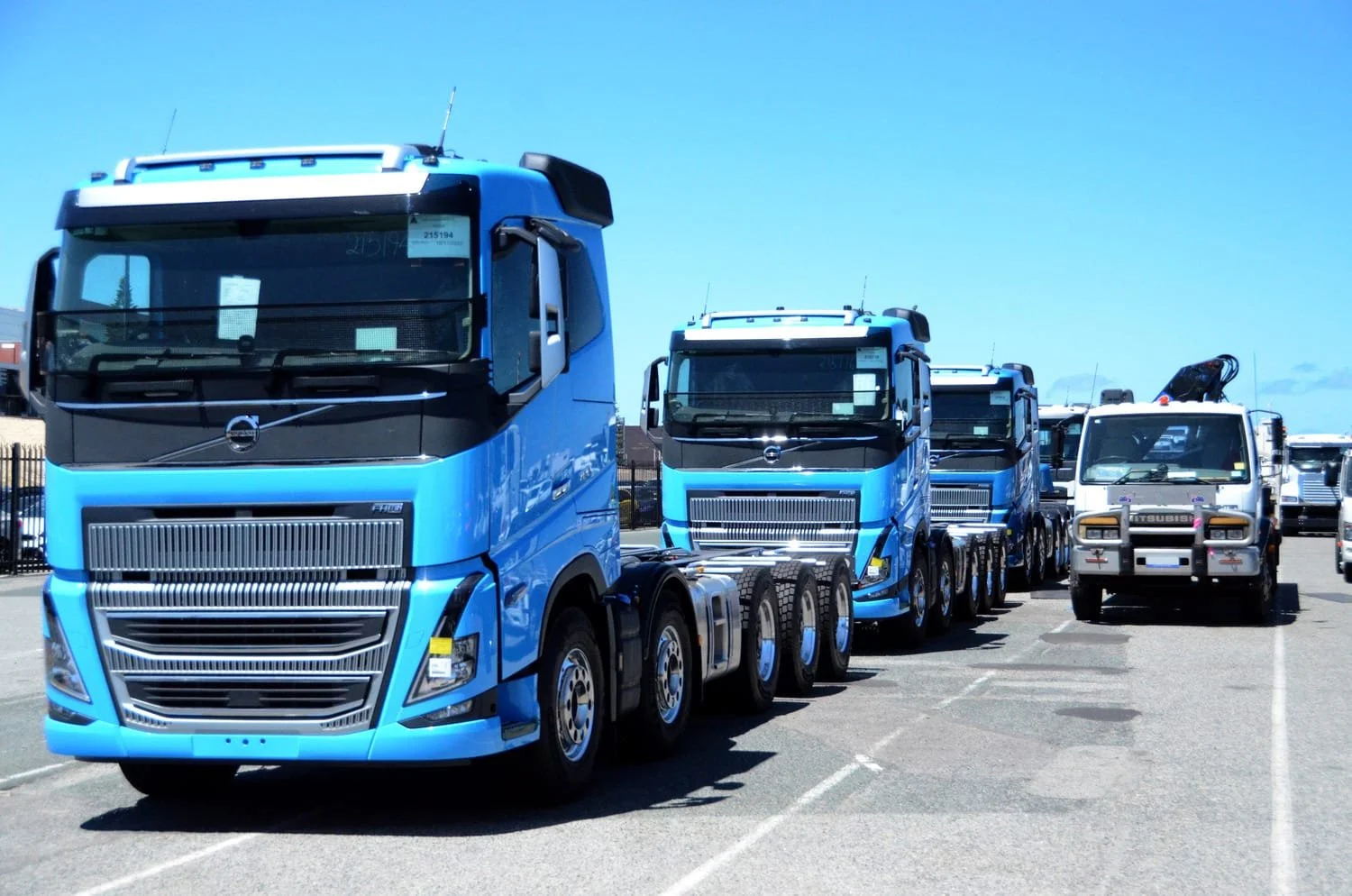
Truck valuation disputes for owner-drivers – Switchboard Finance
 Insights · Transport
Truck Valuation Disputes (2026): 9 Reasons the Valuer Comes In Low — and the Pre-Buy Fixes
If you’re a trucker who’s an owner-driver running a transport business, a low valuation is the silent killer in truck finance. It doesn’t feel like a “decline” — it feels like your deposit suddenly jumps, your ABN file gets reworked, and your cashflow takes a hit right when your logistics workload is rising or you’re scaling a fleet.
This is the valuation-variance playbook (aka “truckie” problem in plain English): why valuers come in low, and what you can fix before you commit so the file stays clean.
- Hub (non-negotiable): Truckie Hub
- Persona hero explainer (non-negotiable): What Is Fleet Finance and How Does It Work?
- Money page (forced target): Low Doc Asset Finance
- Winner seed #1: Truck Age Rules 2025: How Old Is Too Old for Low Doc Truck Finance?
- Winner seed #2: GVM, GCM & Payload: The Truck Specs That Can Make or Break Finance (2025)
- Sibling post (same corridor, different intent): Modified Trucks & Specialty Bodies (2026): Valuation Haircuts + Deposit Triggers
A truck valuation comes in low when the valuer can’t verify the spec (or can’t match it to clean comparable sales). The fastest pre-buy fix is: lock the exact spec, prove the body build, and make the asset “comp-ready” with evidence — before you sign anything.
| What happens | Why it matters | What you do next |
|---|---|---|
| Valuation comes in under purchase price | Lender funds against value, not “your deal” | Deposit increases or structure changes |
| Follow-up questions explode | Timeline drifts and approvals slow | More conditions / re-quotes |
| The file feels “messy” | Risk grade can worsen for no real reason | Fix proof pack and re-present cleanly |
The 9 low-valuation reasons — and the pre-buy fixes
This is the “reasons + fixes” matrix. Use it before you commit, so you don’t discover a valuation gap after the deal is emotionally locked in.
If you ignore this step, the consequence is simple: the valuer sets the ceiling, and the lender follows it — which can force a bigger deposit or a reset of the whole truck finance structure.
| Reason the valuer comes in low | What it usually looks like | Pre-buy fix (do this before you sign) |
|---|---|---|
| 1) Spec mismatch | Model/variant/axle config doesn’t match the listing | Get written spec confirmation + matching photos of ID plates and dash details |
| 2) VIN / identifiers don’t line up | Documents reference one identifier, photos show another | Verify VIN consistency across quote, registration docs, and photos (one clean truth) |
| 3) Body build can’t be proven | “Curtainsider/tipper” is claimed but no build evidence | Collect the body builder invoice + fitment details for Truck Body Fit-Out items |
| 4) Options aren’t evidenced | Extras exist, but valuers treat them as “unverified” | Provide photos + invoices for each option (separately itemised) |
| 5) “Comparable sales” are weak | Valuer uses cheaper comps because the asset isn’t comparable | Supply 3–5 clean comps that match year, spec, body, and kms (same market) |
| 6) KMs/hours look out of band | Unusually high (or suspiciously low) relative to age | Back it with service history + operating profile (why the kms/hours make sense) |
| 7) Condition risk is unclear | Photos are poor, wear isn’t disclosed, history is vague | Do a clear photo pack (cab, tyres, underbody, body, hydraulics) + disclose defects upfront |
| 8) Accident/repair story isn’t documented | Repaired asset with no paperwork = “unknown risk” | Get repair invoices + photos before/after + alignment with insurer/repairer docs |
| 9) Encumbrance/title uncertainty | Valuer/lender worries the asset isn’t “clean to finance” | Run a PPSR Check early and keep the file clean before submission |
Owner-driver (ABN 3+ years) bought a used rigid with a specialised body. The valuer ignored the add-ons due to missing build evidence, valuation came in low, and deposit jumped. The fix was simple: one clean body-build pack (invoice + photos + spec confirmation) sent before valuation.
The “Pre-Buy Valuation Proof Pack” (what to gather in 30 minutes)
This is the dispute-prevention shortcut: make the asset easy to value and easy to match to comps. If the valuer can’t verify it quickly, they’ll default to conservative assumptions.
If you don’t do this, the consequence is valuation variance — and once that’s on file, the lender’s funding ceiling usually follows it.
- Spec lock: exact variant, axle configuration, and body type confirmed in writing
- Photo pack: clear exterior + interior + tyres + underbody + body/fitment shots
- Options evidence: invoices (itemised) + photos for every add-on you want valued
- Comps bundle: 3–5 comparable listings that match year/spec/body and kms
- Condition story: service history summary + known defects disclosed upfront
A transport operator expanding a small fleet gathered comps and a photo pack before negotiation. The valuation matched the deal, so deposit stayed stable and the approval path didn’t drift.
Low valuations usually happen because the spec can’t be verified or the body/options can’t be evidenced. Pre-buy fixes are simple: lock the spec, prove the build, and make the asset “comp-ready” before valuation.
For truckers, owner-drivers, transport & logistics businesses: this is how you protect deposit, keep the ABN file clean, and stop cashflow surprises mid-approval.
FAQs
Fast answers for owner-drivers dealing with low valuations on truck finance.
Use the hubs to navigate, then catch up on the latest posts below.
- Business Vehicle Refinance After an Insurance Claim (2026)
- Melbourne Security Patrol Vehicle Finance Checklist (2026)
- Mornington Peninsula & Bayside Tradie Vehicle Finance Checklist (2026)
- Asset Finance Conditional Approval Explained (2026)
- Manufacturing Plant & Equipment Quote Checklist (2026)
- Using Property Equity to Cut Your Equipment Deposit (2026)
- Custom Machine Progress Payments (2026)
- Long-Lead Machinery Funding Timeline (2026)
Newest tradie guides
Newest in the Tradie Hub
Four fresh, lender-practical reads for tradies — designed to cut back-and-forth and keep approvals moving.
Tradie Finance Day 0 Submission Bundle (2026)
What lenders want before you apply — to prevent avoidable delays.
Eastern Melbourne Tradie & Civil Finance Checklist (2026)
Local checklist for utes, plant and equipment across the east.
The Tradie Bundle Pre-Approval Plan (2026)
How to sequence ute + tools + trailer + LOC without wrecking the stack.
What Lenders Won’t Finance for Tradies (2026)
Common deal/asset “no” triggers — and what to do instead.
