

Using Property to Secure a Business Loan (2026)
Property security unlocks lower rates, higher limits and longer terms on business lending — but it also puts a real asset at risk. This guide maps when property-secured lending is the right move, when it isn't, and how it connects to the full Switchboard finance stack for self-employed business owners in 2026.

One Doc Home Loan for Business Owners: Investment Property
Business owners can use a One Doc home loan to buy an investment property using BAS-declared income — no tax returns required. Non-bank lenders sit outside APRA's DTI cap, which means your borrowing capacity may be significantly higher than what a major bank offers. This guide covers what to prepare, how servicing works with retained earnings and rental yield, and where the application gets tricky.

Business Term Loans in Australia: When They Fit
A business term loan gives you a fixed lump sum with scheduled repayments over 1–7 years. It works when you need a defined amount for a defined purpose — equipment, fitout, acquisition. It stalls when your cashflow is irregular or when the real need is ongoing access to working capital rather than a one-off injection.

The 2026 Cafe Finance Quarter: Three Shifts Before July
Three regulatory shifts converge on Australian cafe owners before 1 July 2026. Payday Super eliminates the quarterly SG float, the $20,000 instant asset write-off window closes, and the APRA DTI cap already reshapes how self-employed borrowers qualify for home loans. Each shift changes how your cafe funds equipment, manages obligations, or accesses property lending — and the application windows are tighter than most operators expect.

Can Your Cafe Use Invoice Finance?
Most cafes earn retail revenue over the counter — which invoice finance cannot touch. The facility only works on business-to-business invoices with payment terms. If your cafe runs wholesale, catering or corporate accounts, this decision tree maps the structural thresholds that determine whether you pass or fail eligibility.
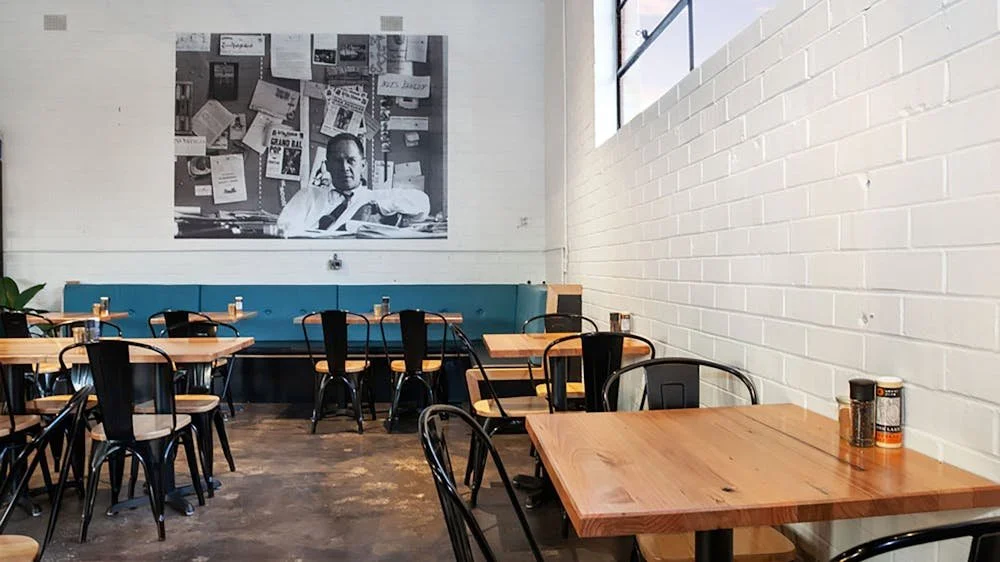
Cafe Working Capital Before EOFY 2026
Three regulatory deadlines converge on cafe owners before 1 July 2026 — Payday Super, IAWO expiry, and the SBSCH retirement. A working capital facility drawn before the crunch gives you the buffer to meet all three without stalling operations or missing the tax window.
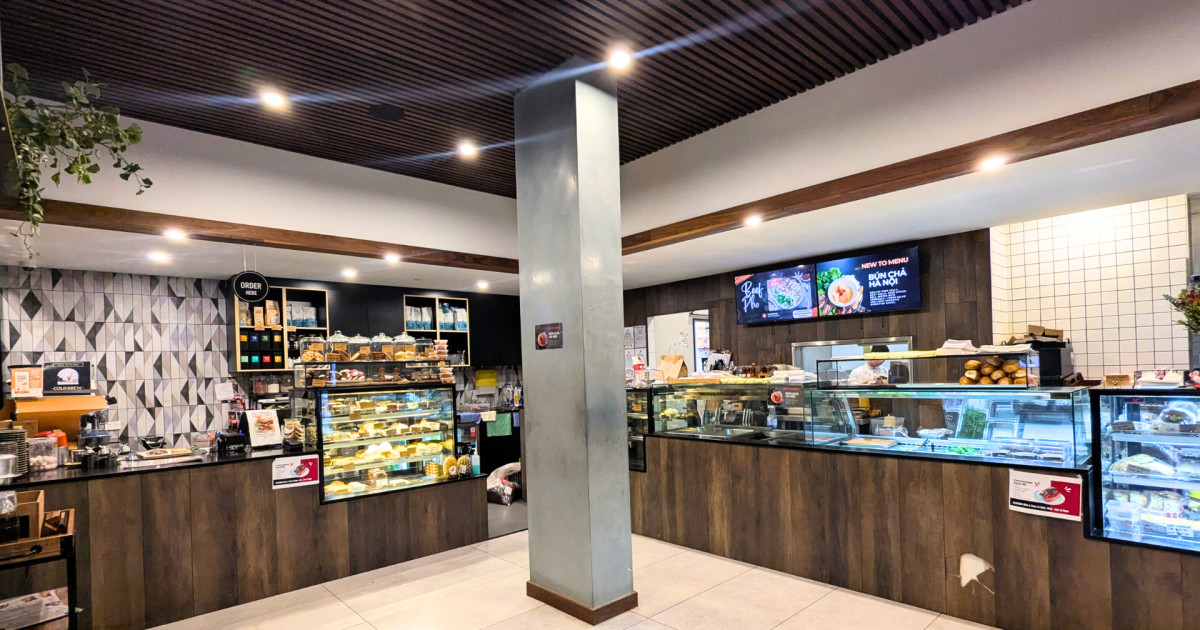
Cafe vs Tradie Business Loans: What Lenders Read Differently
Cafe owners and tradies are both self-employed borrowers, but lenders read their business loan applications through different risk frameworks. Revenue proof, cost structure, lease dependency and asset backing all shift the approval lens — and the gap matters more than most borrowers expect.
One Doc Home Loan for Cafe Owners With ATO Debt (2026)
ATO debt does not automatically disqualify a cafe owner from a home loan. Non-bank One Doc lenders assess your cafe's actual trading income via BAS and accountant certification — not your taxable income on a tax return. If the debt is on an active payment plan and the payments are up to date, most specialist lenders treat it as a manageable liability, not a dealbreaker.

NCC 2025 + RBA 5 May: What Victorian Builders Fund Differently
Three cost-of-finance events land within seven days for Victorian builders: NCC 2025 goes mandatory on 1 May, the RBA announces its next rate decision on 5 May, and the March quarter CPI drops on 29 April. Each one shifts what you need to fund and how lenders read your feasibility. This guide maps the timing so you lock the right facilities before the window closes.

Caveat Loan for Builders: Green and Red Flags
Not every builder caveat application gets past first review. Lenders scan for a handful of signals — some that fast-track the deal, others that kill it before valuation. Knowing the difference before you submit changes the outcome.