
Clinic Vehicle Finance When More Than One Person Drives the Car (2026)
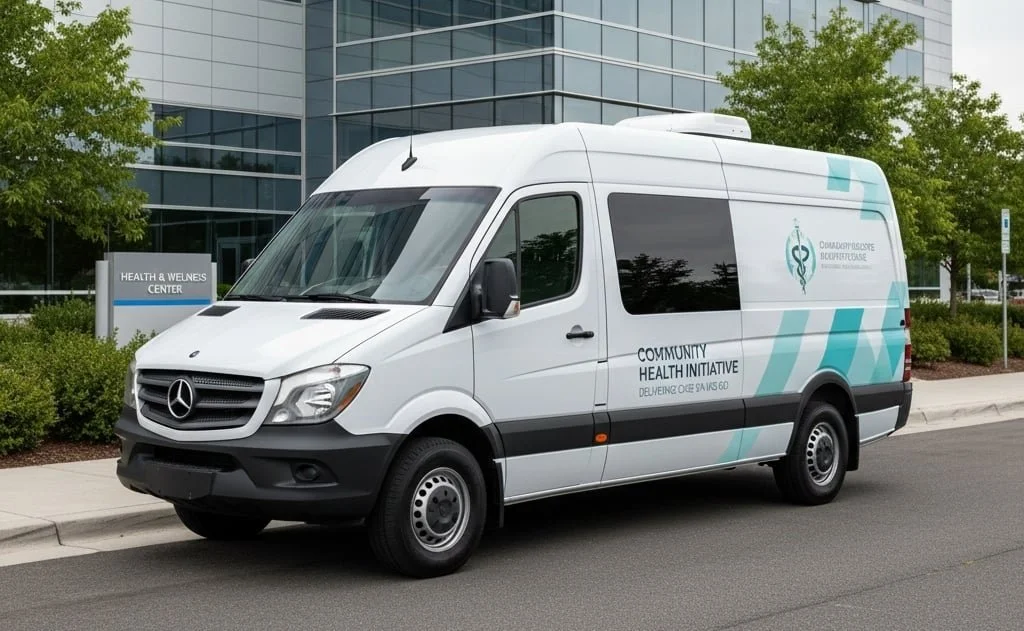
Clinic vehicle finance multiple drivers for medical practice – Switchboard Finance
 Insights · Whitecoat Hub
Clinic Vehicle Finance When More Than One Person Drives the Car (2026): The Clean Approval Pack for Doctors
When a clinic buys a car through the practice, the file can still slow down fast if multiple people drive it. The problem is usually not the car itself. It is the mismatch between driver use, garaging, insurance, registration, and how the lender reads the ownership story.
This is the clean submission map for doctors and practice owners who need the vehicle held through the business but used by a principal, associate, or practice manager. The goal is not tax structuring. The goal is a cleaner Vehicle Finance file that reads correctly in the first 48 hours.
- Hub (non-negotiable): Whitecoat Hub
- Persona hero explainer: Why Medical Professionals Are Turning to Asset Finance
- Money page of the month (forced target): Low Doc Vehicle Finance for Doctors: Upgrade Your Car Through the Business (Without Full Tax Returns)
- Winner seed #1: Asset Finance for Doctors: Cars, Equipment and Fitouts Through the Practice
- Winner seed #2: Clinic Equipment + Fitout Finance Approval Timeline (2026)
- Sibling post #1: Locum Vehicle Finance for Doctors: Mixed Income Assessment (2026)
- Sibling post #2: Doctor Car Finance When You Pay Yourself in Drawings: The Clean “Serviceability Pack” (2026)
- Glossary (unique, no repeats): Business Use % and Comprehensive Insurance
A clinic vehicle file usually slows down when the lender cannot tell who really uses the car, where it is kept, and whether the insurance and registration story matches the ownership structure. If the practice owns the vehicle but several people drive it, the deal needs a clean usage note, a consistent garaging address, and an insurance setup that reads logically on day one.
| File area | What credit is testing | What makes the file go messy | What keeps it clean |
|---|---|---|---|
| Ownership | Who is buying and why the practice is the borrower | Personal-use story with no business ownership logic | Short explanation of clinic ownership and intended business purpose |
| Driver profile | Who will actually use the vehicle day to day | Multiple drivers mentioned casually with no structure | Named primary driver + secondary driver notes |
| Garaging | Where the car is kept overnight and how risk is read | Clinic address on one document, home address on another | One consistent garaging explanation across the file |
| Insurance + rego | Whether the risk setup matches the borrower and users | Policy and usage wording that reads like a mismatch | Practice-owned vehicle with clearly disclosed authorised users |
1) Why clinic vehicle files get stuck when more than one person drives the car
Most lenders can handle a straightforward doctor car deal when one borrower, one user, and one garaging story all line up. The issue starts when the practice buys the car but the principal, an associate, and a practice manager may all use it for different reasons. That is where the file can start reading as inconsistent even if the business is strong.
Credit is not trying to overcomplicate the deal. They are trying to work out whether the vehicle belongs in a clean business-use lane or whether the submission is drifting into a blurred personal-use story. If you do not make that clear up front, the consequence is usually follow-up questions, slower approval, or a file that gets treated more cautiously than it should.
- Multiple drivers are not the problem on their own: the problem is unclear usage.
- Ownership must match purpose: if the clinic buys it, the clinic use story should be obvious.
- Consistency matters: lender concern usually starts when documents tell different stories.
A GP clinic buys a vehicle through the practice for site visits, supplier runs, and occasional principal use. The deal slows because one document suggests home garaging, another suggests clinic parking, and no note explains which driver is primary. The business was fine. The story was not clean enough.
2) The ownership + usage story credit wants to understand in the first 48 hours
The cleanest clinic submission explains three things early: why the practice is borrowing, who the main user is, and what the secondary-use pattern looks like. That does not need a long essay. It just needs enough clarity that the lender can read the vehicle as a deliberate business purchase rather than a vague mixed-use arrangement.
This is especially important when one person is the key doctor but another staff member may drive the car for admin, runs between sites, or equipment collection. If that detail is left blurry, the consequence is that the lender starts piecing together their own version of the story — and that is rarely the version you want.
- State the borrower clearly: clinic entity first, not an implied personal borrower.
- Name the primary user: one main driver keeps the file readable.
- Explain secondary use simply: occasional authorised users should be disclosed, not hidden.
A specialist practice can still get a clean result where the owner is the main driver and the practice manager uses the vehicle for short admin trips. The key is that the submission says exactly that, instead of leaving the lender to infer it from scattered notes.
3) Garaging mismatches are small on paper but they create big approval friction
Garaging sounds minor, but it is one of the fastest ways a clean clinic vehicle file becomes a messy one. If the quote, insurance, and application point to different overnight locations, the lender can start questioning how the asset is actually used and who controls it day to day.
That does not mean the car must always be kept at the clinic. Plenty of legitimate practice-owned vehicles are kept at a director’s home. The issue is not where it is parked. The issue is whether the file explains it consistently. If you skip that explanation, the consequence is usually a credibility drag on the whole submission.
- One address should lead: use one primary garaging story across the file.
- Mixed-site use is fine: it just needs to be described in plain language.
- Do not let the lender guess: a simple note is usually better than a silent mismatch.
A dental practice might keep the vehicle at the principal’s home during the week but use it for supplier pick-ups and site runs. That can still read cleanly if the application and cover notes say so. If they do not, the file can look inconsistent for no real reason.
4) Insurance and registration mismatches: the fastest way to trigger avoidable follow-ups
Where multi-driver clinic deals often go wrong is the insurance and registration layer. The practice owns the car, but the policy wording can look personal. Or the registration sits one way while the application reads another. That kind of mismatch does not always kill the deal, but it often creates preventable back-and-forth.
The lender is looking for a file that feels commercially coherent. That means the ownership, user profile, and cover should all make sense together. If the cover looks too vague for a practice-owned vehicle, the consequence is usually extra questions before approval can move forward. That is why disclosing authorised users under the policy is such a simple but important step.
- Practice ownership should match the policy story: keep the cover aligned with the borrower.
- Authorised users should be obvious: if more than one person drives, say so properly.
- Registration should not contradict the file: admin inconsistencies cause unnecessary review.
A clinic can have strong turnover and still hit delays because the vehicle is clearly business-owned, but the insurer or supporting notes make it look like a loosely structured private-use car. The problem is not affordability. The problem is a messy risk read.
5) The clean approval pack: what to submit so the file reads properly on day one
A good clinic vehicle submission does not need to be bloated. It just needs to answer the lender’s obvious questions before they have to ask them. The cleanest approach is a short ownership and usage note, a consistent quote and address trail, and a simple explanation of who the primary and secondary users are.
If you submit that cleanly, the lender can assess the deal on what actually matters: the clinic profile, the borrower strength, and the intended use. If you do not, the consequence is that a perfectly workable doctor vehicle file gets dragged into admin noise and conditional delays that were easy to avoid.
- Include a short usage note: borrower, primary driver, secondary drivers, and purpose.
- Keep addresses consistent: quote, application, and garaging story should line up.
- Make cover readable: the ownership and authorised users should feel commercially logical.
A clinic-owned car used mainly by the principal doctor, occasionally by a practice manager, and parked at the doctor’s home can still be a clean file. The deal usually works best when that exact story is made clear at submission instead of being pieced together later.
A multi-driver clinic car deal does not usually fail because there are multiple users. It slows down because the ownership, use, garaging, and cover story are not aligned from the start.
Start with the Whitecoat Hub, then use the doctor vehicle, whitecoat asset finance, and serviceability posts already linked above to keep the file readable before you apply. If you skip the usage note or let the admin story conflict, the consequence is usually follow-up questions, slower turnaround, and a weaker first credit read.
FAQs
Quick answers on practice-owned vehicles, multiple drivers, garaging, insurance and clean submission logic.
Use the hubs to navigate, then work through the last 8 blogs from the list above.
- SME Service-Van Replacement Window (2026): The 90-Day Upgrade Plan Before Downtime, Rego Clusters & Repair Bills Start Eating Margin
- The Landlord Incentive Gap (2026): How to Cover Bond, Fitout Deposits & First Stock Before the Rent-Free Period Actually Helps
- Case Study (Melbourne Service SME) (2026): How a 3-Van Cleaning Business Replaced Its Fleet, Added a 4th Van and Set Up a Wage Buffer — Without a Single Hard Enquiry on the Trading Account
- Packaging Line & Labelling Equipment Finance (2026): The 14-Item Docs Checklist + 7-Day Approval Timeline for Food & Consumer Goods Manufacturers
- Livestock Transport Finance (2026): Cattle & Sheep Run Contracts, Wash-Down Bay Compliance & the Income Proof Pack for ESCAS-Registered Operators
- Tanker & Liquid Bulk Transport Finance (2026): ADG Compliance, Hazmat Insurance & the Valuation Rules That Make Standard Truck Approvals Fail
- Too Reliant on One Freight Client? (2026): How Single-Client Revenue Concentration Changes Truck Finance Outcomes
- On-Site Diesel Tanks, Pumps & Yard Fuel Setups (2026): What Transport Businesses Can Finance — and What Must Be Paid Separately
Newest whitecoat guides
Newest in the Whitecoat Hub
Four fresh, lender-practical reads for doctors and clinic owners — designed to cut back-and-forth and keep approvals moving.
One Doc Home Loans for Doctors
How medical income, practice structures and accountant letters get assessed for a one doc home loan.
Geelong & Surf Coast Clinic Finance Checklist (2026)
Local proof-pack guidance for clinics in Geelong CBD, Torquay and Ocean Grove.
Clinic Cashflow Finance Documents Checklist (2026)
What lenders want for LOC, working capital and invoice finance applications for clinics.
Practice Buy-In Finance for Doctors (2026)
What is fundable in a medical practice buy-in, how goodwill is treated, and where deposit rules bite.
