
On-Site Diesel Tanks, Pumps & Yard Fuel Setups (2026)
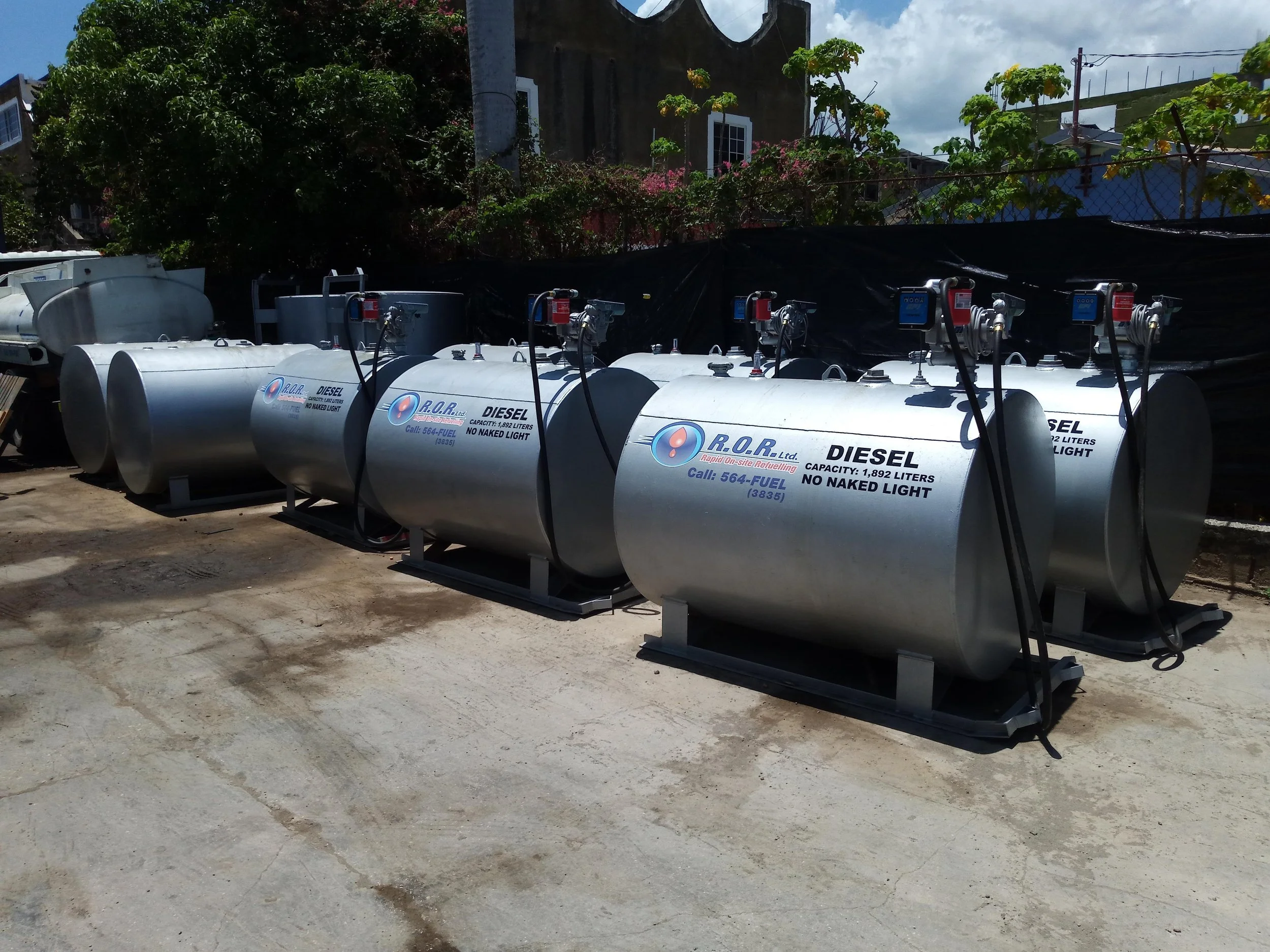
On-site diesel tanks and yard fuel setups for transport businesses – Switchboard Finance
 Insights · Truckie Hub
On-Site Diesel Tanks, Pumps & Yard Fuel Setups (2026): What Transport Businesses Can Finance — and What Must Be Paid Separately
For truckers, owner-drivers and logistics fleets, an on-site diesel setup can cut dead time and protect the weekly fuel/maintenance buffer. But approvals get messy when the quote mixes “asset” items with “site works” into one blurred total — especially on truck finance files where the lender wants clean asset value.
This guide is a clarity map: what is typically treated as a financeable asset, what is commonly treated as a separate cost, and how to structure the submission so it doesn’t trigger re-quotes, deposit jumps, or slowdowns.
- Hub (non-negotiable): Truckie Hub
- Persona hero explainer: What Is Fleet Finance and How Does It Work?
- Money page of the month (forced target): Low doc cashflow path from one facility to LOC, WCL and Invoice Finance for Australian business owners – Switchboard Finance
- Winner seed #1: BAS + Fuel + Repairs Buffer (2025): Facility Usage Rules for Transport Operators
- Winner seed #2: Fuel Tax Credits + BAS Timing for Transport (2025): Using a Line of Credit for Tax Timing
- Sibling post #1: NHVR Compliance Costs 101 (2025): What You Can Budget vs What You Can Finance
- Sibling post #2: Transport Compliance Proof Pack (2026): Docs That Speed Up Truck Finance
- Glossary (unique, no repeats): Facility and Fuel Tax Credit
Most lenders want a clean split: (1) the physical fuel assets (tank/pump/dispensing hardware) and (2) the site works (install, electrical, concrete, permits, and anything “not the asset”). If you bundle everything together without itemising, the consequence is usually re-quotes, lower usable value, or a bigger deposit requirement because the lender can’t clearly value what they’re securing.
| Cost line | How it’s usually treated | Why lenders care | What goes wrong if you blur it |
|---|---|---|---|
| Tank + bunded storage unit | Often treated as the core asset | Clear, ownable equipment value | Asset value gets diluted inside a “project total” |
| Pumps / dispenser / metering hardware | Often treated as asset components | Fits standard equipment logic | Re-quote requests if not itemised |
| Install labour + electrical + concrete | Commonly treated as site works | Not always recoverable value | Deposit increases when “soft costs” dominate |
| Permits / compliance checks / sign-off | Commonly treated as non-asset | Not an owned “thing” to secure | Approval slows because the scope looks unclear |
| Diesel inventory (fuel in the tank) | Usually separate from asset finance | It’s working capital, not equipment | File looks mis-scoped (“what are we funding?”) |
1) Transport & logistics: why the “asset vs site works” split decides the outcome
A yard fuel setup feels like one project to an operator. To a lender, it’s usually two categories: equipment that can be secured, and everything else needed to make it usable. The cleaner your split, the easier it is for credit to understand what they’re actually funding.
If your quote is a single lump sum, the lender can’t quickly separate equipment value from site works. The consequence is predictable: more questions, slower valuation, and sometimes a lower usable “asset value” because too much of the total is not clearly equipment.
- Equipment is easier to value: tanks and dispensing gear are concrete assets.
- Site works are harder to recover: civil and install costs don’t always secure cleanly.
- Blurry scope triggers delays: lenders don’t like “project totals” without detail.
A depot upgrades to reduce bowser queues. The operator gets a “$85k all-in” invoice. Credit asks for itemisation, then asks again for install vs equipment. A one-day job becomes a week of back-and-forth because the asset value wasn’t clean from day one.
2) Owner-driver vs fleet yards: what’s usually financeable vs usually separate
Owner-drivers typically want a small, simple setup that reduces fuel downtime without creating admin. Fleet yards typically want multiple hoses, metering, and site workflow. Either way, the approval stays cleaner when the finance request matches what the asset actually is.
The most common mistake is trying to fund fuel inventory or a big slab-and-trenching job inside the same asset request. The consequence is that the lender treats the deal as “part equipment, part working capital” and pushes it into a slower, messier lane.
- Often reads as “asset”: tank, bunded unit, pump/dispensing equipment, basic accessories.
- Often reads as “separate”: concrete, trenching, electrical upgrades, permits, compliance sign-off.
- Almost always separate: diesel stock (it’s a cashflow tool, not equipment).
A 1–2 truck operator wants a tank and pump to avoid after-hours fuel detours. The asset is clean. But when install, slab, signage, and fuel stock are bundled as one number, the “simple” deal suddenly looks like a mixed-purpose project.
3) The itemisation checklist that prevents re-quotes and deposit jumps
Think of the quote like a truck finance dealer invoice: the lender wants clear line items. If you can’t point to the equipment value quickly, the file loses speed. Itemisation is the shortcut to faster approval.
If you skip itemisation, the consequence is usually one of two things: (1) the lender asks for a re-quote and you lose momentum, or (2) they haircut the usable value because too much of the invoice looks like “site works.”
- Separate equipment vs install: tank/pump hardware on one side, install scope on the other.
- Separate fuel inventory: don’t bury diesel stock inside equipment totals.
- Separate compliance/permits: list them clearly so credit can classify them fast.
A yard quote shows “tank + pump package $42k” and “install/civil $18k.” Credit can assess the equipment cleanly. Compare that to a single $60k line: it often triggers clarifying questions and slows the file.
4) The cashflow mistake: treating diesel stock like an asset purchase
Buying diesel stock is a cashflow decision. It can absolutely be smart for an ABN transport business — especially when weekly spend is large — but it’s a different conversation to equipment finance. Mixing the two is where files get “why are we funding this?” questions.
If your submission quietly includes fuel inventory inside an equipment request, the consequence is often a scope dispute or a slower assessment path because it’s no longer a clean asset-only deal.
- Asset finance = equipment value: lenders want a clear secured item.
- Fuel stock = working capital behaviour: it’s part of the weekly cashflow rhythm.
- Split the story: equipment improves operations; cashflow funding smooths timing.
A small fleet wants a tank to stop downtime — plus wants a bigger on-site fuel buffer ahead of a busy season. When those are separated, the logic is clean. When they’re merged, it looks like a vague “give me money for fuel stuff” request.
5) The approval-ready sequence for a yard fuel setup
The easiest way to keep this clean is to sequence it like a simple equipment purchase: define the equipment, define the site works, and don’t let the invoice blur the two. That makes the file readable.
If you don’t sequence it, the consequence is almost always time: time lost to revised quotes, time lost to “what exactly is being financed?” questions, and time lost while the operator is still paying retail fuel prices and wasting yard hours.
- Step 1: lock the equipment list (tank + pump/dispensing hardware).
- Step 2: lock the site works list (install/civil/electrical/permits) as separate.
- Step 3: keep fuel inventory outside the equipment request (handle separately in your cashflow plan).
A depot upgrades its fuel setup right before a contract ramp. The operator itemises equipment vs install and keeps fuel stock separate. The lender reads it cleanly, so the business installs faster and avoids “approval pending” while the busy period starts.
A yard diesel setup becomes hard when it’s quoted like one big project. Split it cleanly: equipment value (tank/pumps/dispensing) vs site works (install/civil/permits) vs fuel stock (cashflow). That’s what keeps approvals fast and deposits stable.
If you’re a transport business, trucker, owner-driver or logistics fleet trying to keep truck finance files clean, start with the Truckie Hub and map the split before you request funding. If you blur “asset” and “site works,” the consequence is usually re-quotes and slower approvals.
FAQs
Quick answers for transport operators planning a yard diesel setup.
Use the hubs to navigate, then work through the last 8 blogs from the list above.
- Melbourne NDIS Provider Vehicle Finance Checklist (2026): People Movers, Wheelchair Vans & the 9 Proof Items That Speed Up Low Doc Approval
- What Is LVR in Asset Finance? (2026): How Lenders Calculate Loan-to-Value Ratios for Vehicles, Equipment & Plant — 3 Scenarios Where Your LVR Changes the Deposit Before Rate Is Even Discussed
- The Harvest Window Application Plan (2026): How Mixed-Income Ag Contractors Time Ute, Light Truck & Trailer Finance Around Peak Revenue — So They're Assessed at Harvest Income, Not Off-Season
- Geelong & Bellarine Café + Hospitality Finance Checklist (2026): The Local Proof Pack for Waterfront, Tourism-Season & Industrial-Strip Venues
- SME Service-Van Replacement Window (2026): The 90-Day Upgrade Plan Before Downtime, Rego Clusters & Repair Bills Start Eating Margin
- The Landlord Incentive Gap (2026): How to Cover Bond, Fitout Deposits & First Stock Before the Rent-Free Period Actually Helps
- Case Study (Melbourne Service SME) (2026): How a 3-Van Cleaning Business Replaced Its Fleet, Added a 4th Van and Set Up a Wage Buffer — Without a Single Hard Enquiry on the Trading Account
- Packaging Line & Labelling Equipment Finance (2026): The 14-Item Docs Checklist + 7-Day Approval Timeline for Food & Consumer Goods Manufacturers
New posts
Latest insights
Four of the newest posts across transport finance and One Doc home loans.
Adelaide Truck Finance Checklist (2026)
Owner-driver proof pack for Port Adelaide freight, Barossa wine transport and Murray Bridge ag runs.
Truck Downtime Finance (2026)
How owner-drivers can manage repairs, lost revenue and finance pressure when the truck is off the road.
Truck Finance Credit Notes Explained (2026)
Why two owner-drivers with similar numbers can still get different lender outcomes.
5 Mistakes Owner-Drivers Make When Applying for a One Doc Home Loan (2026)
The common One Doc errors that can weaken a transport operator’s home loan file before submission.
