
Tanker & Liquid Bulk Transport Finance (2026)
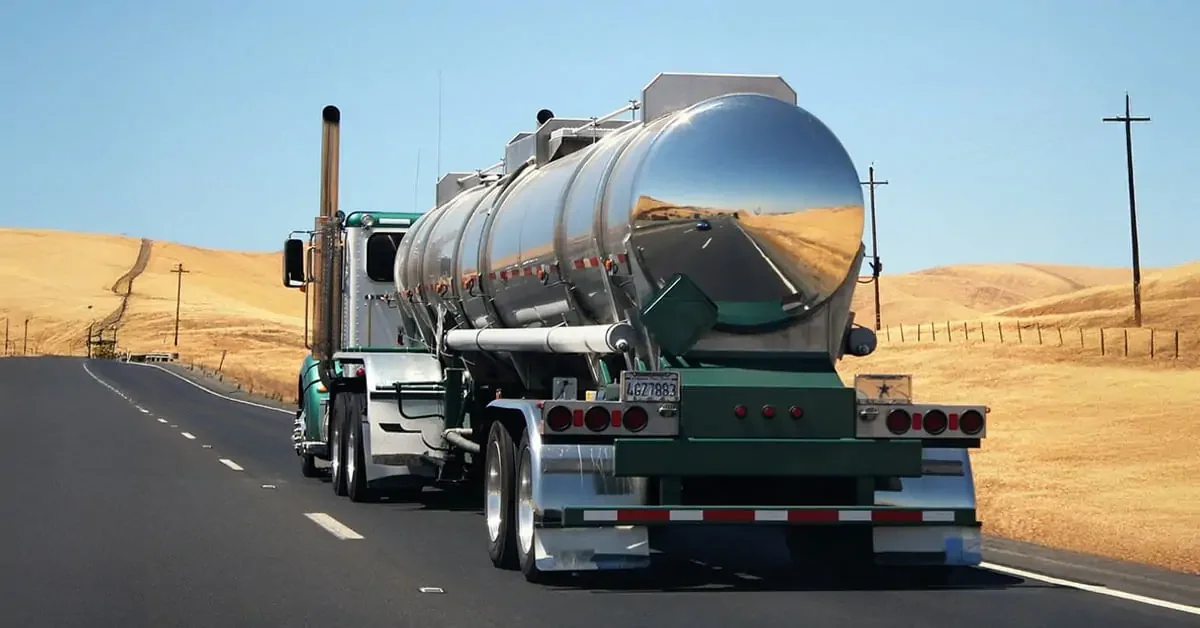
Tanker and liquid bulk transport finance for dangerous goods operators – Switchboard Finance
 Insights · Truckie Hub
Tanker & Liquid Bulk Transport Finance (2026): ADG Compliance, Hazmat Insurance & the Valuation Rules That Make Standard Truck Approvals Fail
For truckers, owner-drivers, transport businesses and logistics fleets, tanker work can look like “just another truck” on paper — but that is exactly why approvals go wrong. Dangerous goods compliance, specialised insurance, and tanker barrel valuation change the whole file.
This page is not a generic truck checklist. It is a tanker and liquid bulk approval map: why standard truck logic breaks, what lenders actually need to see, and how to stop a specialised unit from being treated like a basic Heavy Vehicle with a normal body.
- Hub (non-negotiable): Truckie Hub
- Persona hero explainer: What Is Fleet Finance and How Does It Work?
- Money page of the month (forced target): Low doc cashflow path from one facility to LOC, WCL and Invoice Finance for Australian business owners – Switchboard Finance
- Winner seed #1: Transport Compliance Proof Pack (2026): Docs That Speed Up Truck Finance
- Winner seed #2: Truck Insurance & Finance 101 (2025): Agreed Value, Excess, and Why Lenders Care
- Sibling post #1: Modified Trucks & Specialty Bodies (2026): Valuation Haircuts + Deposit Triggers That Get Declined Fast
- Sibling post #2: Truck Add-Ons Valuation Pack (2026): How to Get PTO, Tail-Lift, Telematics & Specialty Gear Counted (So Deposits Don’t Jump)
- Glossary (unique, no repeats): Comprehensive Insurance and Risk Grade
Tanker approvals fail when the file is assessed like a standard truck deal. Credit is not just looking at the prime mover. They are testing specialised barrel value, dangerous goods readiness, the insurance setup, and whether the operator’s work profile matches the asset. If those pieces are blurred, the consequence is usually valuation haircuts, higher deposits, or a “pending” file that should have been clean.
| File area | What credit is testing | What makes standard truck logic fail | What strengthens the file |
|---|---|---|---|
| Prime mover vs tanker barrel | What is actually being valued | One blended value with no equipment breakdown | Clear separation of truck, barrel and specialised kit |
| Dangerous goods compliance | Whether the work type matches the asset | Generic truck docs only | Clean compliance story and operational fit |
| Insurance structure | Whether risk cover fits the job | Standard policy logic only | Specialised coverage explained cleanly |
| Work profile | Whether the operator really runs bulk liquid lanes | No contract or lane context | Run proof, customer type and route clarity |
1) Why standard truck approvals break on tanker and liquid bulk deals
A normal truck file can often move on basic asset, income and servicing logic. A tanker file is different because the finance risk is not just “Can this operator afford the repayment?” It is also “Is this specialised unit correctly described, correctly insured, and correctly valued?”
This is where lenders slow down. If the submission reads like a standard tray, tautliner or general freight file, the consequence is usually a valuation mismatch. Credit starts asking whether the specialised tanker setup is fully understood — and that delay can turn a clean deal into a harder one fast.
- Specialised units need specialised logic: the asset is not being read like a normal body.
- Risk profile is different: dangerous goods work carries a different credit feel.
- The file needs more clarity: generic truck evidence is not enough on its own.
A transport company submits a tanker deal with the same type of pack it uses for a basic fleet unit. The lender then pauses to clarify asset details, insurance, and work type — not because the business is weak, but because the file was too generic for a specialist unit.
2) Why the dangerous goods compliance story matters to the finance file
The lender is not auditing every regulation line-by-line. But they do need confidence that the operator’s business model matches the tanker asset being financed. If the work involves dangerous goods or regulated bulk liquid movement, the file should read like an operator who actually belongs in that lane.
That matters because a specialist asset with a weak operating story looks riskier than a specialist asset with a clean, credible one. If you leave the compliance context vague, the consequence is usually more questions, slower approval, and a higher chance the file gets pushed into a conservative structure.
- Match the asset to the work: the lender wants the setup to make commercial sense.
- Avoid vague submissions: “it’s a tanker” is not the same as a clear operating story.
- Keep it readable: enough context to show fit, not a random pile of paperwork.
Two operators can want the same tanker. The one who clearly explains customer type, route profile and work category usually reads as a better risk than the one who simply uploads a quote and hopes the lender fills in the gaps.
3) Why specialised insurance changes the approval outcome
Insurance on tanker and liquid bulk work is not just an admin box. It helps credit understand whether the operator is treating the asset as a specialist commercial tool rather than a basic truck with a different trailer attached. That is why policy structure can influence how the whole file is read.
If the insurance story looks generic where the operating profile is not, the consequence is often a weaker risk read. The lender may question whether the asset, the work type and the cover actually line up — and that can add conditions or slowdowns even before pricing is discussed.
- Insurance signals seriousness: specialised cover helps the file look commercially coherent.
- Generic cover can read weakly: a specialist unit with a standard-looking setup triggers more scrutiny.
- Clarity matters: the file should make it easy to see the risk is understood.
A logistics operator may have strong revenue and still hit questions if the tanker is insured in a way that looks too generic for the work being done. The issue is not just cover — it is what that cover signals about overall file quality.
4) The valuation rule that catches people: the tanker barrel does not always read like a normal truck body
One of the biggest mistakes in tanker finance is assuming the whole unit values like a standard truck. It often does not. Lenders want to know what they are really securing: the prime mover, the tanker barrel, and any specialised pumping or transfer equipment. If those are blended into one vague number, the file becomes harder to value.
That is where deposit shocks come from. If the lender cannot get comfortable with the specialist components, the consequence is usually a haircut on usable value. That means the operator may need to contribute more cash than expected, even though the “purchase price” looked reasonable on paper.
- Separate the components: truck, tanker vessel and specialised systems should be readable.
- Avoid one blurred figure: blended numbers create valuation uncertainty.
- Valuation drives deposit: if usable value gets cut, the operator feels it immediately.
A tanker quote might look straightforward at first. But once credit realises the vessel and specialist equipment are not clearly separated from the base truck value, the approval can shift from “simple transport asset” to “specialist valuation review.”
5) How to package the file so a specialist tanker deal stays readable
The goal is not to drown the submission in paperwork. The goal is to stop the lender from having to guess. A clean tanker file makes four things obvious: what the asset is, what work it will do, how the risk is covered, and why the operator belongs in that lane.
If you do not package those four things clearly, the consequence is usually the same loop: more questions, slower turnaround, and a stronger chance the file lands in a cautious risk bucket before the lender fully understands it.
- Define the asset properly: separate truck, tanker and specialist components.
- Define the operating lane: show the work type and customer logic clearly.
- Define the risk setup: make the insurance and compliance story readable.
A well-run tanker operator does not always need more documents. They usually need a cleaner story. Once the asset split, work profile and risk setup are obvious, the same deal often reads much more cleanly.
Tanker and liquid bulk files fail when they are submitted like normal truck deals. The lender is reading dangerous goods risk, specialist insurance, and tanker-specific valuation — not just base truck affordability.
Truckers, owner-drivers, transport businesses and logistics fleets should start with the Truckie Hub, then use the compliance, insurance and valuation pages already linked above to clean up the file before applying. If you do not separate the specialist parts properly, the consequence is usually valuation haircuts, higher deposits or a slower approval path.
FAQs
Quick answers on tanker approvals, dangerous goods risk, insurance structure and valuation.
Use the hubs to navigate, then work through the last 8 blogs from the list above.
- Melbourne NDIS Provider Vehicle Finance Checklist (2026): People Movers, Wheelchair Vans & the 9 Proof Items That Speed Up Low Doc Approval
- What Is LVR in Asset Finance? (2026): How Lenders Calculate Loan-to-Value Ratios for Vehicles, Equipment & Plant — 3 Scenarios Where Your LVR Changes the Deposit Before Rate Is Even Discussed
- The Harvest Window Application Plan (2026): How Mixed-Income Ag Contractors Time Ute, Light Truck & Trailer Finance Around Peak Revenue — So They're Assessed at Harvest Income, Not Off-Season
- Geelong & Bellarine Café + Hospitality Finance Checklist (2026): The Local Proof Pack for Waterfront, Tourism-Season & Industrial-Strip Venues
- SME Service-Van Replacement Window (2026): The 90-Day Upgrade Plan Before Downtime, Rego Clusters & Repair Bills Start Eating Margin
- The Landlord Incentive Gap (2026): How to Cover Bond, Fitout Deposits & First Stock Before the Rent-Free Period Actually Helps
- Case Study (Melbourne Service SME) (2026): How a 3-Van Cleaning Business Replaced Its Fleet, Added a 4th Van and Set Up a Wage Buffer — Without a Single Hard Enquiry on the Trading Account
- Packaging Line & Labelling Equipment Finance (2026): The 14-Item Docs Checklist + 7-Day Approval Timeline for Food & Consumer Goods Manufacturers
Newest truck finance guides
Newest in the Truckie Hub
Four fresh transport finance reads for owner-drivers and fleet operators — built to cut delays, clear conditions and keep growth moving.
Truck Finance Conditional Approval (2026)
The common post-approval conditions owner-drivers hit — and how to clear them fast.
Depot Bond + Truck Deposit at the Same Time (2026)
How transport businesses can split funding when a new yard and new truck land together.
Second Truck Approval Limits (2026)
Why existing truck debt, balloon exposure and lender concentration can start blocking truck two.
Melbourne Refrigerated Transport Finance (2026)
A cold-chain approval checklist for fridge vans, rigids and refrigerated trailers in Melbourne.
