
Truck Finance Conditional Approval (2026): The 8 Conditions Owner-Drivers Hit
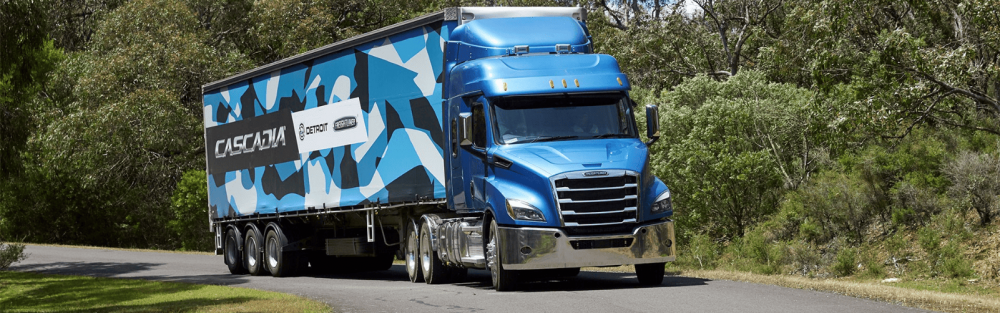
Truck finance conditional approval for owner-drivers – Switchboard Finance
 Insights · Truckie Hub
Truck Finance Conditional Approval (2026): The 8 Conditions Owner-Drivers Hit After “Yes” — and How to Clear Them Fast
Truckers, owner-drivers and transport businesses often think “conditional approval” means the hard part is done. It is not. In logistics and truck finance, the real delay usually starts after the yes — when the lender comes back asking for cleaner proof, sharper quote detail, updated Bank Statements or a better explanation of the truck, body or payout position. Nick Lim is an FBAA-accredited broker at Switchboard Finance, and this page is built for operators who want to clear conditions fast instead of letting a live truck deal drift into re-quotes, valuation delays or settlement blowouts.
Conditional approval means the lender likes the deal, but not enough to fund it yet. The fastest path is clearing the exact missing items in the right order: asset proof first, borrower proof second, then payout or insurance items if the file is a refinance or specialty-body deal.
Start with the Truckie Hub, then the transport hero explainer Low Doc Truck Finance 2025 — Fast Approval Tips for Owner-Drivers, and the money page Low Doc Asset Finance. If your deal is already live, the strongest supporting reads are Truck Finance “Day 0” Submission Bundle (2026) and Truck Finance Quote Checklist (2026).
1) What truck finance conditional approval actually means
A conditional approval is not a decline, but it is not a clean green light either. It means the lender’s initial Credit Assessment is positive enough to keep moving, but the file still has gaps that must be closed before Settlement. In truck finance, those gaps are usually practical, not theoretical.
Owner-drivers hit this point when the lender likes the application but wants stronger evidence on the truck itself, the applicant’s trading position, or the repayment structure. That might be a sharper dealer quote, updated business banking, a clearer explanation of body fit-out scope, or an older loan’s Payout Figure if the deal involves a refinance or trade-out.
This is why conditional approval sits between broad education and final drawdown. It is different from the transport basics in What Is Fleet Finance and How Does It Work?, and it is also different from the first-48-hours process in Truck Finance Approval Timeline (Low Doc). This page is about what slows the deal after the initial yes.
| Stage | What lender is thinking | What you need to do |
|---|---|---|
| Application lodged | Is the deal broadly workable under Low Doc or standard policy? | Provide the core file cleanly and avoid missing basics |
| Conditional approval | We like it, but we still need proof | Clear the exact conditions in the right order |
| Final approval | All conditions satisfied | Get ready for insurance, signing and settlement |
An owner-driver gets a yes on a rigid upgrade and thinks the truck is basically funded. Two days later the lender asks for updated trading evidence, a quote with the body line items broken out, and proof the existing loan can be discharged. The deal is still alive, but it is not finished.
2) The 8 conditions truck lenders ask for most often
The main mistake operators make here is treating every condition like the same kind of problem. They are not. Some conditions are about the truck, some are about the borrower, and some are about the structure. When you group them properly, clearance gets faster.
For transport files, the most common post-yes conditions show up in the same corridor as the pages on Bank Statement Red Flags for Truck Finance and Transport Compliance Proof Pack (2026). The difference is that conditional approval is where those missing items move from “nice to have” to “deal-stopping”.
Dealer quote is too vague
The lender wants a proper truck quote with enough detail to assess the exact Asset Type, body, add-ons and purchase structure. If the quote is thin, re-quotes follow fast.
Truck body or add-ons are not itemised cleanly
A prime mover, rigid or tipper with extra scope can stall if the lender cannot tell what is core truck value and what sits in a Truck Body Fit-Out or soft-cost line. This matters even more on specialty-body deals.
Updated trading evidence is needed
Many truck files move on initial banking, then the lender asks for fresher turnover or activity proof. That usually means newer Bank Verification, clearer cash movement, or a better read on current work under Trading History.
Contract or run-history proof is still thin
A transport file may be approved in principle but still need more evidence on cartage continuity, rate consistency or live work. If that proof is weak, the lender slows down because serviceability starts looking less stable.
Existing payout figures are out of date
Refinance or trade-out deals frequently stall because the old lender figure is stale, incomplete or missing the discharge timing. This is where a live Asset Refinance file can lose days for no good reason.
Insurance evidence is not ready
Some lenders will not move to final approval without the right insurance path clearly in place. For trucks, this often means proof of Comprehensive Insurance before funding docs are finalised.
Entity, guarantor or director details need to be tightened
A deal written in the wrong name, or with unclear director support, can create avoidable back-and-forth. The lender may want cleaner entity proof, updated signatory details, or a fresh Director’s Guarantee requirement explained.
Valuation or asset-age questions remain open
If the truck is older, modified or bought outside a standard dealer channel, the lender may want extra comfort on value, age, or marketability before they release final approval. That is where conditions turn into deposit changes or a slower advance.
A transport operator buying a used curtainsider cleared approval fast once the dealer quote was rewritten properly, the add-ons were separated cleanly, and the payout figure on the outgoing truck was refreshed. The lender did not change their appetite — they just finally had a file they could settle.
3) The fastest order to clear conditions without creating new delays
The wrong move is firing back random documents as soon as the lender asks for them. That often creates fresh follow-ups because one answer changes another part of the file. Truck deals clear faster when the order is structured.
First, fix the truck-side items. That means quote clarity, body scope, valuation-sensitive details, and whether the purchase sits under a dealer, private sale or specialist setup. Then fix the borrower-side items like banking, current work proof and entity support. Only after that should you finalise payouts, insurance and doc signing.
This is the same practical logic behind Truck Finance “Day 0” Submission Bundle (2026) and the cleaner-prep mindset in Pre-Approval Without Enquiry Damage (2026). The better the sequence, the fewer new conditions appear halfway through.
- Step 1: lock the truck quote, body details and any valuation-sensitive line items
- Step 2: refresh borrower proof like banking, work evidence and entity support
- Step 3: finalise refinance, insurance and signing conditions
A trucker chasing a second unit lost three days by sending insurance first, then business banking, then an incomplete quote revision. The same file would have moved faster if the quote, body scope and payout figure were solved first.
4) The mistakes that turn a clean conditional approval into a messy truck deal
Most blown truck approvals do not fail because the borrower was never financeable. They fail because the file gets sloppy after the initial yes. That is why operators should think of conditional approval as an execution stage, not a comfort stage.
The biggest problem is drift. Quotes expire. sellers change wording. bankers’ evidence goes stale. body specs move. payout letters age. A file that looked fine on Monday can be back in manual review by Friday if the moving parts stop matching.
This is where root-level borrower guidance from MoneySmart is still useful for basic finance hygiene, but transport operators need a tighter lens. In truck finance, delays usually come from document mismatch, not just from borrowing appetite.
| Mistake | What happens | Better move |
|---|---|---|
| Sending partial docs | Lender asks follow-up questions in waves | Answer the whole condition, not just one part |
| Letting quote wording drift | Re-quotes and valuation rechecks appear | Keep one final version of truth |
| Ignoring refinance timing | Payout or discharge delays settlement | Refresh payout early and confirm timing |
| Confusing “conditional” with “done” | Truck delivery gets ahead of finance clearance | Treat conditions like a live project to close |
An operator booked collection too early because the approval email sounded positive. A stale payout figure and one missing quote line meant the funder was not actually ready. The truck was still approved later — but the delay was self-inflicted.
Conditional approval is not the finish line. For truckers, owner-drivers, transport and logistics businesses, it is the point where vague quotes, old payout figures, incomplete body scope and weak proof packs start slowing a deal that otherwise would have funded cleanly.
Start with the Truckie Hub, then the broad owner-driver explainer Low Doc Truck Finance 2025 — Fast Approval Tips for Owner-Drivers, the money page Low Doc Asset Finance, and the sharper support pages Truck Finance “Day 0” Submission Bundle and Truck Finance Quote Checklist.
FAQs
Quick answers for owner-drivers and transport operators trying to turn conditional approval into final approval fast.
Hubs first. Then the newest reads.
- Business Owners Finance Hub Cashflow facilities + SME pathways
- Tradie Hub Vehicles, tools, civil + low doc packs
- Truckie Hub Owner-driver finance + compliance packs
- Whitecoat Hub Clinics, fitouts + specialist approvals
- Tradie Service-Van Eligibility Scorecard (2026) 12 checks before you bundle shelving, racks, on-board power and tools
- Traffic Management & Site-Setup Finance (2026) What can be bundled vs what needs a pre-start cash buffer
- Ballarat & Western Victoria Tradie + Civil Finance Checklist (2026) Local proof pack for utes, minis, trailers and site-ready add-ons
- Factory-Fit vs Aftermarket Van Fitout Finance (2026) Which quote lines count, which get haircut, and which trigger a deposit
- Ute Fitout Finance Quote Checklist (2026) What to itemise so it doesn’t trigger re-quotes
- Ute Fitout Finance Approval Traps (2026) Seven traps that slow approvals (and how to avoid them)
- Performance Bonds & Bank Guarantees (2026) The approval rules civil contractors trip over
- South East Melbourne Tradie + Civil Plant Finance Checklist (2026) VIC proof pack for faster low doc approvals

 Accredited Member
Newest transport guides
Accredited Member
Newest transport guides
Newest in the Truckie Hub
Four fresh reads for truckers, owner-drivers and transport operators — built to reduce lender friction and keep deals moving.
One Doc Home Loans for Transport Operators (2026)
How owner-drivers can approach property lending with one accountant’s letter instead of two years of tax returns.
After Truck Finance Approval: Settlement Delays
The missing post-approval items that can still stop funding after the deal looks approved.
B-Double & Multi-Combination Truck Finance (2026)
Approval rules for heavy combination operators, including compliance, route risk and lender treatment.
Hume Corridor Truck Finance Checklist (2026)
A local proof-pack guide for Campbellfield, Somerton and Craigieburn owner-drivers.
