
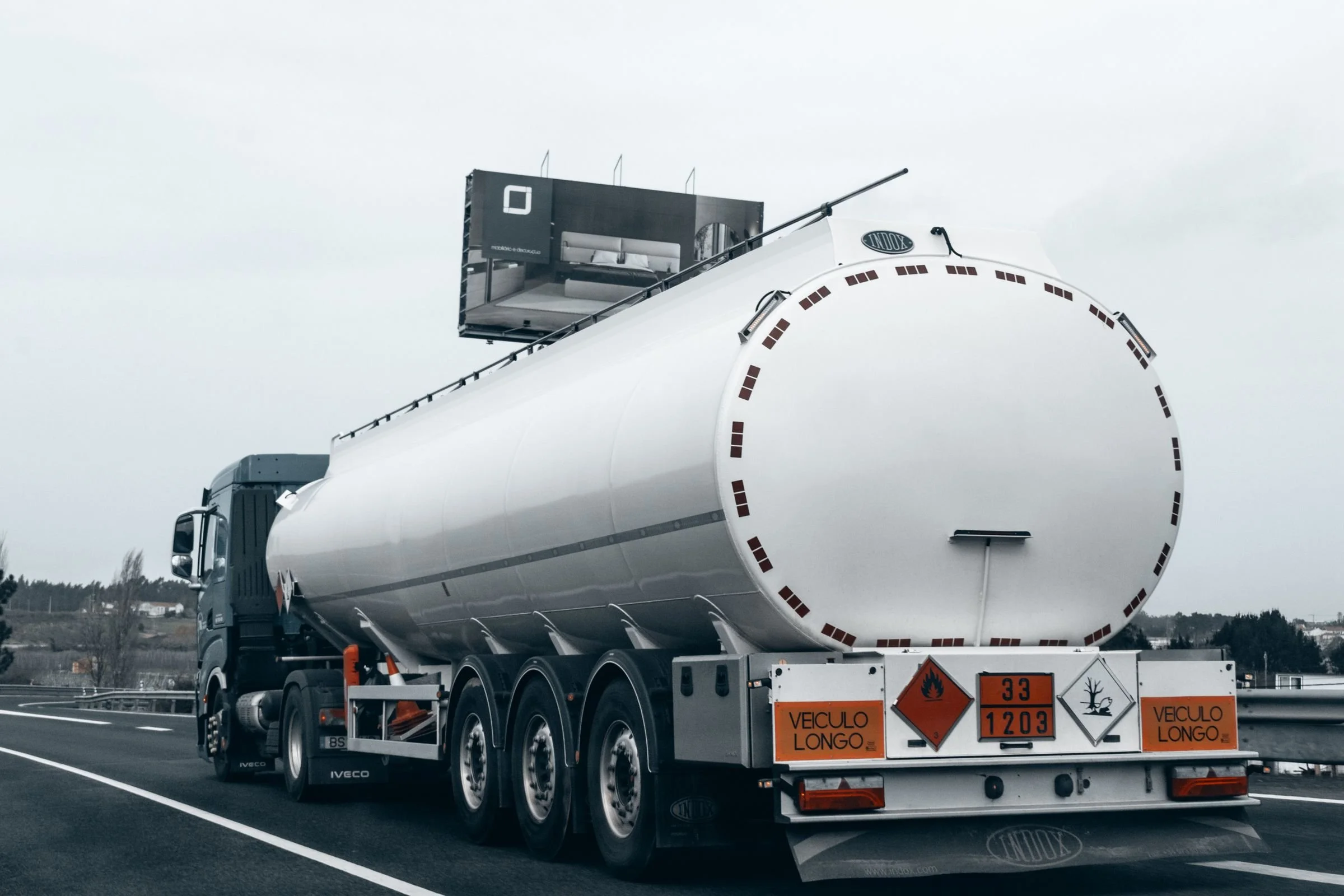
What lenders check before funding a plumber: licence and insurance first, then trading history, BAS and credit, plus which finance fits vans and jetters.
 Tradie Hub
Plumber Business Loans · Licence and Insurance · Cash Flow
Why does a lender ask a plumber for a licence number and an insurance certificate before it asks for a single bank statement? Because the licence is what lets the business earn the income being lent against. Here is what lenders check, in the order many of them check it, and which finance fits the van, the jetter and the gap between jobs.
Quick Answer
Lenders fund plumbing businesses for vans, drain and jetting equipment, fit out and working capital, and many check that the licence, contractor registration and insurance are current before they read the numbers, then trading history, BAS and the owner's credit file. The business loan that fits depends on what the money buys and how long the business has been trading in its own name.
Also called: plumbing business loan, plumbing business finance, plumber finance. They describe the same need, although "plumber finance" is often used for van and equipment finance only.
What do plumbing businesses borrow for?
Plumbing businesses mostly borrow for the van, the jetter and the gap between jobs: the service vehicle that carries the stock, the drain and jetting gear that wins the higher-margin work, and the working capital that pays wages while invoices are still outstanding. The common purposes look like this.
- Service vans and utes. Usually the first and largest purchase, often fitted with shelving, racking and a hot water unit carrier.
- Jetters, drain cameras and locators. High-pressure jetters, trailer units, inspection cameras and pipe locators that open up blocked drain, relining and diagnostic work.
- Workshop and storage fit out. A shed, a small industrial unit or a fitted-out storage bay for pipe, fittings and hot water stock.
- Stock held for jobs. Hot water systems, tapware and fittings bought ahead of a run of jobs or a builder's schedule.
- Apprentices and new staff. The wages carried before a new crew member is fully billable.
- Working capital between jobs. Cash to cover payroll, fuel and supplier accounts while builders, strata managers and insurers pay on their own cycles.
Each purpose tends to suit a different type of finance, which is covered in the finance section below. If the business also runs excavation gear for drainage and sewer connections, mini excavator and skid steer finance for plumbers covers that equipment on its own.
How do lenders assess a plumbing business for a loan?
Many lenders assess a plumbing business on licence first, numbers second: once the licence and insurance check out, they read the trading history, the ABN and GST registration, recent BAS, business bank statements and the owner's credit file. Together those form the lender's credit assessment of the business.
Each document answers a different question. The ABN registration date shows how long the business has existed in its own name. The BAS shows turnover quarter by quarter, including the quiet months. The bank statements show whether money actually lands, how often the account dips, and whether tax and supplier payments are kept up. The credit file shows how the owner has handled past debts. What lenders read in an account is set out in what lenders look for in business bank statements.
In deals I've seen, the plumbing file that stalls is rarely the one with thin profit. It is the one where the BAS, the bank statements and the turnover stated on the application tell three different stories, usually because cash jobs, a second account or a late BAS have not been explained up front.
Whether you trade as a sole trader or through a Pty Ltd changes which returns the lender reads and who signs as guarantor. That choice is covered in sole trader vs Pty Ltd for a tradie business loan, and the wider qualifying rules sit in the business loans guide for Australia.
Which licences and insurance do lenders check before lending to a plumber?
Many lenders, especially on equipment and unsecured loans, check that the plumber holds a current licence or registration for the work the business does, that any contractor licence the state requires is in place, and that public liability insurance is current on the day you apply. The licence is what allows the business to earn the income the lender is relying on, so a gap there matters more than a soft quarter.
Victoria gives a clear example of how tightly insurance and licensing are tied. The Building and Plumbing Commission states that licensed plumbers must hold public liability cover of at least $5,000,000 under the applicable Ministerial Order, that the certificate of currency must name the insured plumber, not only a company, that evidence of insurance is required before a licence is issued or renewed, and that working without the required cover is an offence (Building and Plumbing Commission, plumber insurance requirements, last updated 29 July 2026, read 21 October 2026). Other states and territories run their own licensing and contractor registration schemes through their own regulators, with their own insurance conditions, so the lender checks against the register in the state where you work.
Licence in order
- Licence current and showing on the public register
- Contractor registration matches the work the business takes on
- Public liability certificate in date, in the licensed plumber's own name
- Licence holder is the borrower or a director of the borrower
Licence lapsed
- Licence expired, suspended or under renewal
- Insurance renewal unpaid or cover below the required level
- Work types billed that sit outside the licence class
- Licence held by a former partner or employer, not the borrower
When the only issue is an expired certificate, the usual result is a pause rather than a decline. The cover is renewed, the new certificate goes in, and the assessment picks up where it stopped. Keeping the insurance current on the day you apply avoids the pause entirely.
How do builder progress claims, retentions and insurance jobs affect a plumber's cash flow?
Builder progress claims, retentions and insurance jobs mean a plumber is often paid on the builder's timetable, not yours, so lenders look at how long invoices take to clear and how much money is tied up waiting for release. A plumbing business can be profitable on paper and still short of cash in the month a big builder pays late.
- New builds. Plumbing on a new home or a multi-unit job is usually paid through a progress claim at each stage, and part of each payment may be held back as retention until practical completion or the end of the defects period.
- Strata and body corporate work. Approvals and payment runs follow the strata manager's cycle, which can stretch a job's payment well past completion.
- Insurance jobs. Work is commonly paid once the insurer or its builder signs off, so the plumber carries labour and parts until then.
- Maintenance contracts. Regular work for property managers, schools or commercial sites gives steadier income, which lenders tend to read favourably.
When lenders see a large debtor balance with one or two builders, they ask how concentrated the work is and how reliably those builders pay. A short list of debtors with payment dates helps the file more than an explanation after the fact. How builders themselves fund the gap between claims is covered in builder progress claims: business loan or caveat loan; this section is about the plumber waiting to be paid.
Which finance fits vans, tools, jobs and cash flow?
The finance that fits depends on what the money buys: a chattel mortgage or asset finance for the van and the jetter, and an unsecured business loan or a line of credit for jobs, stock and cash flow. Matching the loan to the purchase keeps the term in line with the life of the asset.
| Purchase | Finance type | Security | What the lender checks first |
|---|---|---|---|
| Service van | Chattel mortgage or other vehicle finance | The van itself | Licence, ABN age and the vehicle's age and price |
| Jetter or drain camera | Equipment or asset finance | The equipment | Supplier invoice, item age and trading history |
| Workshop fit out | Equipment finance for fixed items, or a business loan | The items, or a general security over the business | Lease term on the premises and recent BAS |
| Working capital between jobs | Unsecured business loan or line of credit | Usually unsecured, with a director's guarantee | Bank statements and how evenly money lands |
| Slow-paying builder invoices | Line of credit or invoice-based facility | The facility terms, often the debtor book | Debtor list, builder concentration and payment history |
Vans and plant suit secured equipment finance because the asset carries the loan, which typically means a lower rate than unsecured borrowing and a term matched to the asset's working life. Where the paperwork is lighter, low doc asset finance can fund the same items on BAS and bank statements. Cash flow needs suit an unsecured business loan for a fixed need or a business line of credit for a gap that opens and closes. The tradie finance lane selector walks through the same choice across other trades.
Can a newly licensed plumber starting out on their own get a business loan?
A newly licensed plumber starting out on their own can get a business loan in some cases, because lenders often weigh years in the trade alongside a short ABN, although the options are narrower and usually backed by the asset being bought. Many lenders set a minimum ABN age for unsecured lending, commonly measured in years, and this varies by lender.
Asset finance on a van or a jetter is usually the first door that opens, because the asset gives the lender security while the business builds its own record. Evidence that helps includes the licence history, payslips or subcontract invoices from the years before going out alone, a first few BAS, and signed work from builders or property managers. Plumbers moving from subcontracting to running their own crew can see how that shift is read in the tradie finance map for subbies, builders and civil.
Where tax returns are not yet lodged, low doc business loans use BAS and bank statements instead. The tradie loan pack sets out the documents to gather before a lender asks, and the Tradie Hub collects the other finance guides for trades.
What if your credit file has a default?
A default on your credit file narrows the lenders who will assess a plumbing business loan and changes the terms they offer, and how much it matters depends on what the default was, how recent it is and whether it has been paid. Lenders that consider impaired credit read the default alongside how the business is trading now.
A short written explanation of what happened, proof that the debt is settled, and clean conduct on the business account since then all help a lender read the file fairly. Expect the pricing and the security asked for to reflect the added risk. Before anything is lodged, it is worth reading your own report so nothing on it is a surprise; the business credit report guide explains how. How these files are assessed is covered on the bad credit business loans page, and you can check eligibility to see where your file sits before a lender does.
Many lenders read a plumber's loan licence first, numbers second. They confirm the licence, contractor registration and public liability cover, then read trading history, BAS, bank statements and the credit file. Builder progress claims, retentions and insurance work set the cash flow pattern lenders look for, and the right finance follows the purchase: asset finance for the van and the jetter, unsecured or revolving finance for the gap between jobs.
Key takeaway: have your licence, insurance certificate and last few BAS ready before you speak to a lender, because those three answer most of the first questions.Frequently Asked Questions
A plumber can get a business loan in Australia when the licence and insurance are current and the business can show trading history, BAS and bank statements that support the repayments. The loan type depends on what the money is for, from a chattel mortgage on a van to an unsecured loan for working capital. The steps are set out in our guide to applying for a business loan.
What a plumber earns with their own business varies widely with the work mix, the size of the crew and how well invoices are collected, so no single figure holds across the trade. For a loan, lenders do not use an industry average; they read the business's own net profit from its financial statements, tax returns or BAS. A documented year of your own figures counts for more than any typical income quoted for the trade.
Lenders commonly check a plumbing licence before a business loan, because the licence is what allows the business to earn the income being lent against. Most also ask for a current public liability certificate and confirm the licence is held by the borrower, not a former partner or employer. Both form part of the lender's credit assessment for any licensed trade.
A jetter or drain camera can usually be financed as business equipment, through a chattel mortgage or another form of equipment finance that uses the item as security. Lenders look at the item's age, the supplier invoice and the business's trading history. Trailer-mounted jetters are often financed alongside the van or ute that tows them.
Whether a plumber can get a business loan with bad credit depends on what is on the file, how recent it is, whether it has been paid and how the business is trading now. Lenders that consider impaired credit read the explanation alongside the BAS and bank statements, and pricing reflects the added risk. Our bad credit business loans page explains how those files are assessed.

 FBAA Accredited
