
Scissor Lift Finance for Electricians, HVAC & Maintenance Tradies (2026)
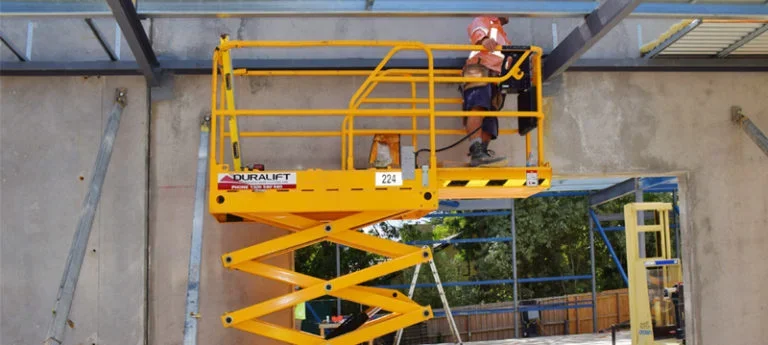
Scissor lift finance for electricians, HVAC and maintenance tradies – Switchboard Finance
 Insights · Tradie Hub
Scissor Lift Finance for Electricians, HVAC & Maintenance Tradies (2026): Hire vs Buy, Deposit Rules & Quote Checklist
Scissor lifts sit in that annoying middle zone for tradies. Too expensive to keep hiring forever, but not always clean enough to finance the same way you would a standard work vehicle. If you are buying through the business, start with the Tradie Hub, then compare this page with the broader tradie explainer Tradie Finance Australia: Loans, Tools & Ute Finance Made Simple.
This page is for electricians, HVAC operators and maintenance tradies trying to work out whether a scissor lift should stay on hire, move into ownership, or be packaged as part of a wider upgrade sequence. It also sits cleanly beside related pages like Fast-Track Asset Finance for ABN Holders, Lease vs Buy Equipment and Are Low Doc Equipment Loans Worth It? without stepping on your ute, van or trailer corridor.
A scissor lift usually starts making sense to buy when it is being used often enough that repeated hire is chewing margin, causing scheduling friction, or forcing you to overbook around someone else’s availability. At that point the question is less “can I get approved?” and more “is the quote, asset type and usage story clean enough for lender credit to price it properly?”
The deals that usually stay cleaner are the ones where the borrower shows a proper asset purpose, a realistic use case, and a quote that separates the lift from any soft costs. That matters even more where the application is being run on a Low Doc basis.
1) When hire still makes sense — and when buying starts to win
A lot of tradies rush this decision the wrong way. They see a supplier quote, get excited, and assume ownership is automatically smarter. It is not. For many electricians, HVAC operators and maintenance contractors, hire is still the better short-term move when the lift only gets used on irregular jobs, access needs vary a lot, or the business is still working out its true equipment rhythm.
Buying usually starts winning once the lift is becoming part of weekly operating flow rather than a one-off tool. That is especially true if frequent hire is creating downtime, transport friction, or lost margin on repeat service work. This is the same logic behind other upgrade sequencing pieces like Tradie Gear Pack 2025 and The Tradie Cash Flow Trap: own what keeps making you money, hire what stays occasional.
| Situation | Usually cleaner move | Why |
|---|---|---|
| Irregular access jobs | Keep hiring | No need to carry repayments on something that sits idle |
| Weekly use across repeat contracts | Buying starts to make sense | Ownership can protect margin and scheduling control |
| Fast-growing service business | Compare ownership carefully | The lift may become part of your core operating stack |
An HVAC operator doing regular rooftop service work can burn more cash on rolling hire than on a properly structured lift repayment, especially once every second week turns into every week.
2) Why scissor lifts can trigger deposit questions faster than tradies expect
A scissor lift is not the same as financing a plain-vanilla ute. Deposit pressure can show up earlier if the lift is older, used, ex-hire, poorly quoted, or bundled with too many non-asset items. That is why the borrower needs to think in terms of Equipment Finance logic, not just general “asset finance” vibes.
The lender is usually asking three things at once: what is the asset, how easy is it to value, and how comfortable are they with the borrower’s repayment profile? If any of those three look messy, deposit expectations can jump before rate is even discussed. You see the same pattern in nearby corridors like Excavator vs Bobcat Finance for Tradies (2026) and Asset Finance Bank Statement Red Flags (2026).
- Used or ex-hire units: valuation comfort can tighten up fast.
- Soft-cost bundles: delivery, accessories or non-core items may not all be funded cleanly.
- Weak quote detail: vague supplier paperwork can create instant friction.
- Messy trading evidence: recent Bank Statements still matter on a low doc deal.
A maintenance contractor buying a clean, standard used scissor lift from a proper dealer usually gets a much easier run than someone sending a vague ex-hire invoice with missing serial details and mixed add-on costs.
3) The quote checklist that stops re-quotes and approval drag
This is where a lot of decent deals get made to look bad. The borrower may be solid, the jobs may be solid, but the quote is garbage. If the supplier paperwork is vague, the lender can start asking basic questions that slow the whole file down for no good reason.
The cleanest approach is the same one you already use on pages like Ute Fitout Finance Quote Checklist (2026) and Tradie Finance “Day 0” Submission Bundle (2026): quote first, but quote properly. For lender confidence, the supplier should clearly identify the unit, condition, price and any itemised extras. For tax context, it also helps if the invoice treatment is clean and matches Australian business reporting basics published by the ATO.
Asset-specific detail
Supplier name, unit description, year model where relevant, serial or identifying details, condition, GST treatment, and whether the price is for the lift only or includes other items.
Separate non-core costs
If freight, accessories, service packs or non-asset items are included, break them out cleanly. Do not bury them in one lump number and hope credit ignores it.
An electrician buying a lift for regular warehouse maintenance jobs usually gets faster traction when the supplier quote identifies the exact machine and cleanly separates freight, accessories and registration-style extras from the core unit value.
4) Which structure usually fits a scissor lift better?
The answer depends on the borrower, the lift, and how the asset is used through the business. But most tradies are really choosing between a small handful of structures, not fifty. The discussion normally sits around ownership, flexibility, repayment shape and tax handling rather than some magical product hack.
That is why this page should be read next to Equipment Finance Terms Every SME Should Know (2025) and Finance Lease vs Operating Lease. The wrong structure can still get approved, but it can create dumb cashflow pressure later.
| Structure | Usually fits when | Main watch-out |
|---|---|---|
| Chattel Mortgage | Business wants ownership and a straightforward asset-backed setup | Quote and use-case still need to be clean |
| Finance Lease | Borrower wants a different tax/accounting treatment and structured use | Needs proper fit with business setup |
| Operating Lease | Flexibility or shorter-cycle use matters more than long hold ownership | Not every lender/asset mix behaves the same way |
A maintenance tradie planning to keep the lift in the business for years may lean toward an ownership-style structure, while a business still testing usage patterns may prefer to stay lighter and more flexible.
5) The clean approval pack for electricians, HVAC and maintenance tradies
The strongest scissor lift files are usually boring in a good way. Clean entity details. Clean quote. Clean trading story. Clean reason for ownership. If you are trying to force the lift into a broader bundle, you need to be even more disciplined about what belongs in the asset request and what belongs elsewhere.
That is also why this page pairs well with The Tradie Bundle Pre-Approval Plan (2026) and What Lenders Won’t Finance for Tradies (2026). A scissor lift can be a clean asset. A messy scissor lift plus random extras can turn into a shit submission fast.
- Borrower setup: entity details, ABN and director details.
- Use case: what jobs the lift supports and why ownership now makes sense.
- Quote pack: clean supplier detail with no blurred line items.
- Trading proof: recent business banking and turnover support where needed.
- Facility fit: make sure the asset request is not carrying soft-cost baggage it should not.
A service tradie with repeat contract work, decent bank conduct and a clean supplier invoice usually looks far stronger than a newer operator trying to wrap a used lift, tools float and random setup costs into one vague application.
Scissor lift finance usually gets cleaner when the borrower can show repeat job use, a proper quote and a simple reason why buying beats staying on hire. The mistakes usually happen when a decent asset gets wrapped in vague paperwork or bundled with too many soft-cost extras.
Start with the Tradie Hub, then compare this page with Tradie Finance Australia, Lease vs Buy Equipment and Fast-Track Asset Finance before you lodge anything.
FAQs
Quick answers for electricians, HVAC operators and maintenance tradies looking at scissor lift finance in 2026.
Hubs first. Then the newest reads.
- Business Owners Finance Hub Cashflow facilities + SME pathways
- Tradie Hub Vehicles, tools, civil + low doc packs
- Truckie Hub Owner-driver finance + compliance packs
- Whitecoat Hub Clinics, fitouts + specialist approvals
- Tradie Service-Van Eligibility Scorecard (2026) 12 checks before you bundle shelving, racks, on-board power and tools
- Traffic Management & Site-Setup Finance (2026) What can be bundled vs what needs a pre-start cash buffer
- Ballarat & Western Victoria Tradie + Civil Finance Checklist (2026) Local proof pack for utes, minis, trailers and site-ready add-ons
- Factory-Fit vs Aftermarket Van Fitout Finance (2026) Which quote lines count, which get haircut, and which trigger a deposit
- Ute Fitout Finance Quote Checklist (2026) What to itemise so it doesn’t trigger re-quotes
- Ute Fitout Finance Approval Traps (2026) Seven traps that slow approvals (and how to avoid them)
- Performance Bonds & Bank Guarantees (2026) The approval rules civil contractors trip over
- South East Melbourne Tradie + Civil Plant Finance Checklist (2026) VIC proof pack for faster low doc approvals

 Accredited Member
