
One Doc Home Loans for Tradies (2026)
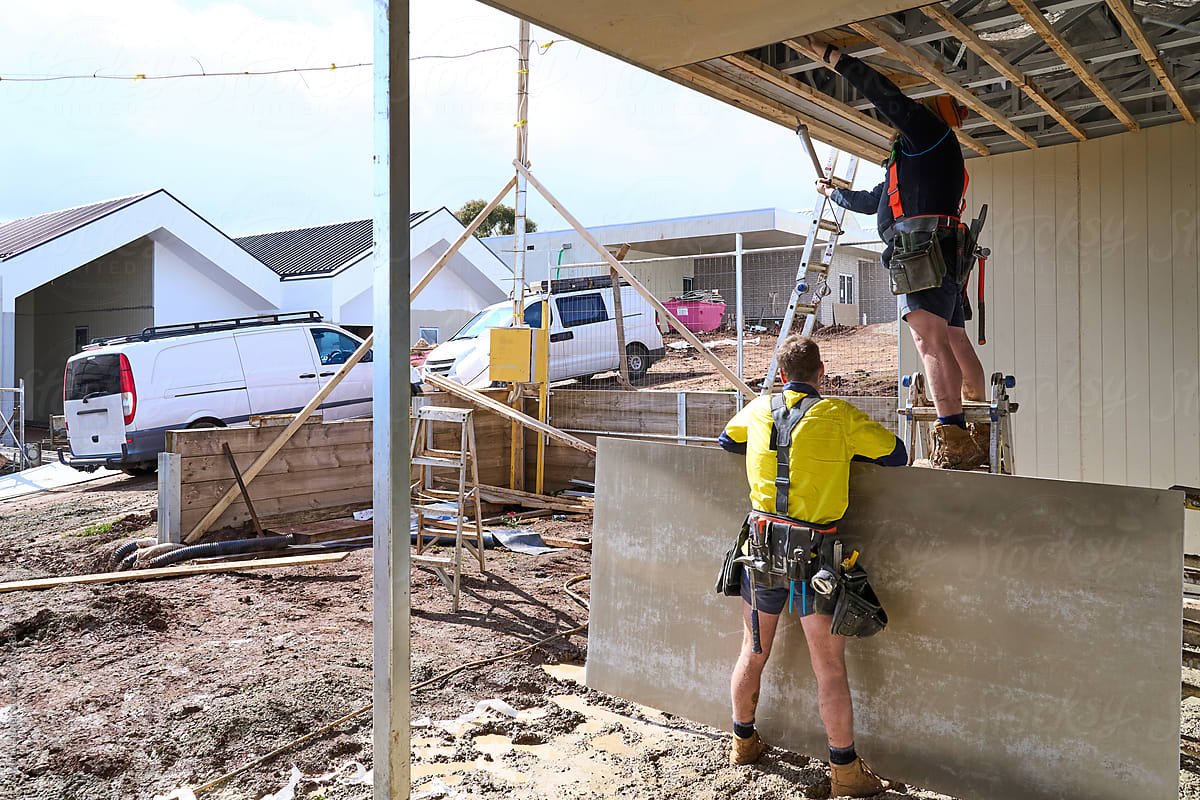
One Doc Home Loan for tradies using accountant letter instead of tax returns – Switchboard Finance
 Insights · Tradie Hub
One Doc Home Loans for Tradies (2026): When 1 Accountant’s Letter Beats 2 Years of Tax Returns
Tradies rarely get paid in a neat salary pattern. Income can come through progress claims, subcontractor invoices, drawings and lumpy BAS cycles, which is exactly why a tradie-specific guide matters. Start with the Tradie Hub, then compare this page with the broader explainer Tradie Finance Australia: Loans, Tools & Ute Finance Made Simple if you want the bigger picture across business and asset lending.
This page is about home loan positioning for self-employed tradies where one clean accountant’s letter can sometimes beat two messy years of tax returns. It also sits alongside the sibling pages One Doc Home Loans for Business Owners and One Doc Home Loans for Transport Operators, but the tradie angle is different: project-based cashflow, seasonal dips, GST timing and owner drawings can make a standard bank-style read look worse than the real story.
A One Doc Home Loan can suit a tradie when taxable income does not tell the full story, but the business is clearly trading, bank conduct is clean, and the accountant can support a realistic income position. The point is not to hide weak numbers. The point is to present a file that matches how tradies actually earn.
The strongest tradie files usually show steady work, sensible drawings, clean account conduct and a credible explanation for BAS timing or seasonal dips. The weakest files are the ones where turnover exists, but the story around it is sloppy.
1) Why tradies are a real one-doc fit
A lot of tradies are profitable on the ground but messy on paper. One quarter can be strong because a few jobs landed at once, then the next looks softer because materials, subcontractor costs or tax timing hit at the same time. That can make a normal full-doc read feel harsher than the actual business reality.
This is why one-doc matters for tradies more than it does for clean-salary borrowers. A file built around current trading, supported by recent conduct and a credible accountant’s letter, can be cleaner than relying on tax returns that lag behind the business. That same logic is why pages like Paid by Progress Claims or Irregular Invoices? The 2026 Tradie Proof Pack and How Much Can Tradies Borrow in 2025? matter so much in the tradie lane.
| Tradie income pattern | Why tax returns can understate it | Why one-doc can be cleaner |
|---|---|---|
| Progress-claim income | Revenue lands in chunks, not evenly each month | Lets the file be read against current trading behaviour |
| Drawings instead of salary | Personal income can look thin on paper | Supports a clearer self-employed servicing story |
| Seasonal or weather-affected work | One weak period can drag down annual optics | Allows the file to explain timing, not just totals |
A sole-trader sparky can have strong turnover and clean accounts, but after deductions and irregular drawings the tax return looks flatter than the actual business. That is the kind of file where one-doc can make more sense than forcing an outdated full-doc story.
2) When one accountant’s letter beats two years of tax returns
It is not magic. An accountant’s letter does not rescue a bad deal. What it can do is frame the real income position better when the returns are old, conservative or distorted by timing. Tradies often write off tools, ute costs, insurance, materials, subcontractor bills and other business spend aggressively, which can make the taxable result look lighter than the actual repayment capacity.
The cleaner one-doc files are the ones where the letter matches the bank conduct and the business story. If the letter says income is strong but the account looks unstable, the file gets weaker, not stronger. That same discipline is similar to what you see in Tradie BAS + PAYG Buffer (2025) and The Tradie Cash Flow Trap: structure matters more than noise.
Recent trading is solid, but tax returns lag
This is where a one-doc path can tell the story properly, especially if the accountant can support income consistency and the tradie’s Cashflow pattern is understandable.
The accountant’s letter is trying to outrun the bank statements
If the numbers in the letter feel more optimistic than the real account conduct, that file usually creates more questions, not fewer.
A plumber who had a softer prior year because of setup costs, then a much stronger current year with stable credits and better margins, may present cleaner through a one-doc pathway than through two older returns that no longer reflect the business.
3) What lenders are actually reading in a tradie one-doc file
Lenders are not just reading the letter. They are reading the whole rhythm of the file. They want to know whether the tradie’s income pattern makes sense, whether the business is genuinely active, and whether personal obligations look supportable without the whole thing feeling stretched.
In practice, that means the file needs to make sense across entity setup, trading behaviour and the borrower’s actual cash movement. This is why even tradies looking at a home loan should still understand the logic in pages like Fast-Track Asset Finance for ABN Holders and Low Doc Vehicle Finance for ABN Holders: 2025 Guide. The product is different, but the proof logic is similar.
- Recent bank conduct: stable credits, manageable debits and no weird account chaos.
- ABN trading logic: the business has a believable operating pattern, not a thin shell.
- Income consistency: some lumpiness is fine, but the overall direction should make sense.
- Drawings behaviour: personal use of funds should be explainable, not random.
- Tax timing: BAS and GST cycles should not make the file look like it is constantly underwater.
A bathroom reno contractor might have chunky credits around project milestones rather than weekly wage-style pay. That is fine if the file clearly shows genuine trading, sensible drawings and no ugly conduct patterns between deposits landing.
4) The clean proof pack for tradies in 2026
Tradie one-doc files get better when the story is packaged early instead of dripped out in follow-up emails. If income comes through progress claims, irregular invoicing or seasonal work, that should be explained upfront. Do not make the assessor guess what is normal and what is noise.
The goal is not to over-explain every transaction. It is to give a clean map of how the business earns, how the owner pays themselves, and why the requested home loan sits inside a realistic repayment position.
| Proof item | What it tells the lender | Why it matters |
|---|---|---|
| Accountant’s letter | Frames the tradie’s current income position | Core support for the one-doc story |
| Recent account evidence | Shows how money actually moves | Confirms the letter is grounded in reality |
| Entity and trading context | Explains who earns, invoices and draws income | Stops confusion around self-employed structure |
Simple story, simple proof, simple servicing read
A cleaner file usually has one clear business story, one supportable income position and no contradiction between the accountant’s letter and the trading conduct.
Lumpy income with no explanation
This is where assessors start wondering whether the high-credit months are repeatable, whether the quiet months are structural and whether the borrower is overreaching.
A landscaper with spring-heavy revenue and quieter winter months can still present well if the file explains seasonality properly instead of leaving the assessor to treat every dip like a red flag.
5) What usually kills a tradie one-doc deal
Most one-doc tradie deals do not die because the borrower is self-employed. They die because the story is inconsistent. The letter says one thing, the accounts say another, or the borrower wants the lender to ignore obvious pressure points.
Tradies who get cleaner outcomes usually know where they sit before they apply. That is why it can help to first step back through pages like One Doc Home Loans for Business Owners and One Doc Home Loans for Transport Operators. Different industries, same principle: the file has to make sense without gymnastics.
- Overstated income: the letter is too aggressive for the account conduct.
- Messy drawings: personal spend or transfers make the file harder to read.
- Unexplained dips: quiet months are normal in some trades, but not when nobody explains them.
- Weak entity clarity: it is not obvious who is earning and who is borrowing.
- Rushed application timing: applying before the file is clean can damage options.
A concreter might have strong annual revenue, but if the accounts show irregular transfers, late tax pressure and no clean explanation for drawings, the file can look riskier than it really is.
One-doc home loans can work well for tradies when the tax returns do not cleanly reflect the real business. The win is not “less docs.” The win is a cleaner, more accurate file that explains progress claims, drawings, seasonality and BAS timing properly.
Start with the Tradie Hub, then read Tradie Finance Australia and the 2026 tradie proof pack before lodging anything rushed.
FAQs
Quick answers for tradies looking at a one-doc home loan path in 2026.
Hubs first. Then the newest reads.
- Business Owners Finance Hub Cashflow facilities + SME pathways
- Tradie Hub Vehicles, tools, civil + low doc packs
- Truckie Hub Owner-driver finance + compliance packs
- Whitecoat Hub Clinics, fitouts + specialist approvals
- Tradie Service-Van Eligibility Scorecard (2026) 12 checks before you bundle shelving, racks, on-board power and tools
- Traffic Management & Site-Setup Finance (2026) What can be bundled vs what needs a pre-start cash buffer
- Ballarat & Western Victoria Tradie + Civil Finance Checklist (2026) Local proof pack for utes, minis, trailers and site-ready add-ons
- Factory-Fit vs Aftermarket Van Fitout Finance (2026) Which quote lines count, which get haircut, and which trigger a deposit
- Ute Fitout Finance Quote Checklist (2026) What to itemise so it doesn’t trigger re-quotes
- Ute Fitout Finance Approval Traps (2026) Seven traps that slow approvals (and how to avoid them)
- Performance Bonds & Bank Guarantees (2026) The approval rules civil contractors trip over
- South East Melbourne Tradie + Civil Plant Finance Checklist (2026) VIC proof pack for faster low doc approvals

 Accredited Member
