
Allied Health Mobile-Service Vehicle Finance (2026)
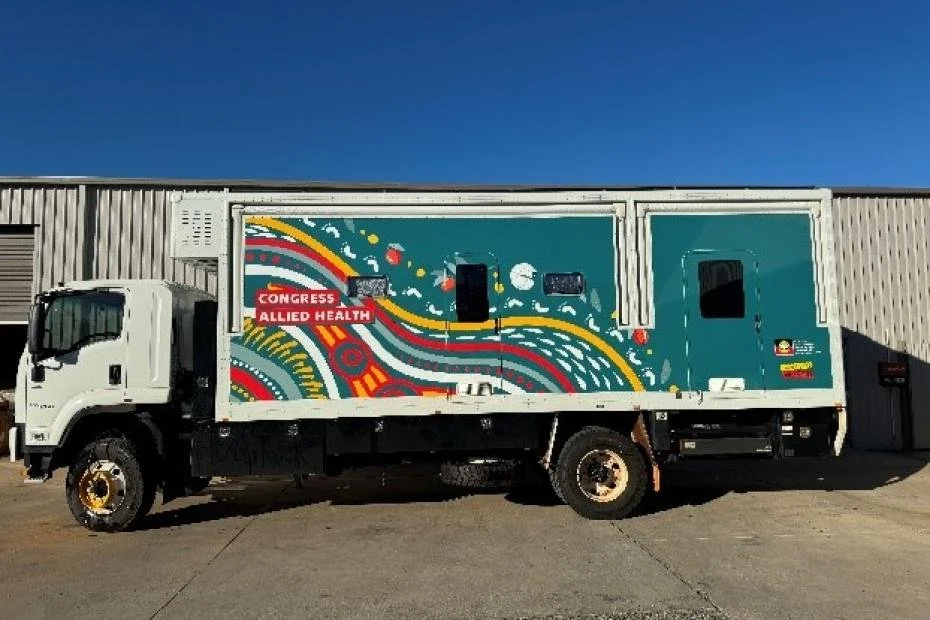
Allied health mobile-service vehicle finance for physios and home-visit clinics – Switchboard Finance
 Insights · Whitecoat Hub
Allied Health Mobile-Service Vehicle Finance (2026): The Approval Pack for Physios, OTs & Home-Visit Clinics
Mobile-service allied health vehicle files get judged differently from standard work-car applications. The lender is not only looking at the vehicle. They are looking at how clearly the business-use story stacks up, whether the practitioner or clinic can show genuine mobile-service work, and whether the file fits clean Approval Criteria under a sensible Low Doc path. Nick Lim is an FBAA accredited broker at Switchboard Finance, and this page is the checklist for physios, OTs and home-visit clinics using vehicles for treatment, equipment transport and community visits.
The cleanest allied health vehicle deal is one where the lender can quickly see the mobile-service model, the business-use logic and the document pack. Start with the Whitecoat Hub, then read the hero explainer Asset Finance for Doctors: Cars, Equipment and Fitouts Through the Practice and the closest sibling page Contractor Doctors & Allied Health: How to Finance Your Own Gear When You Don’t Own the Clinic.
If you want the fastest route to an approval-ready file, the best supporting reads are Low Doc Vehicle Finance Documents Checklist (2025), Dealer Quote Explained for Low Doc Vehicle Finance (2025) and Asset Finance Conditional Approval Explained (2026).
1) Why allied health mobile-service vehicle files are different from a standard work-car application
A mobile-service allied health file is not just “I need a car for work.” The lender wants to understand how the vehicle fits the practice model. A physio carrying portable treatment gear, an OT doing home visits or an allied health operator running community-based appointments has a stronger file when the business-use story is obvious and linked to real trading activity.
That matters because the vehicle is being assessed as part of broader Vehicle Finance, not just as a consumer purchase. The cleaner the story around mobile service routes, practitioner use, equipment carried and client visit patterns, the easier it is for the lender to match the deal to the right structure and avoid unnecessary follow-up.
This is also where whitecoat files drift into trouble when they rely on generic doctor-car framing. Your current lane is already strong on doctor vehicle content. This page is cleaner because it is about allied health mobility, service delivery and document pack logic. If you want the broader whitecoat context first, the most relevant supporting read is Why Medical Professionals Are Turning to Asset Finance.
| File type | What lender wants to see | What usually slows it down |
|---|---|---|
| Clinic-based doctor car file | Business use, income position, simple quote | Mixed personal/business usage with weak explanation |
| Allied health mobile-service file | Visit model, practitioner use, mobile-service logic, clean doc pack | Vague “work use” language without route or service story |
| Home-visit clinic growth file | Stronger Trading History, equipment transport logic, scalable practice need | Weak proof around actual field work or practice structure |
An OT running school and in-home appointments can have a cleaner vehicle file than a higher-income applicant with a vague story. Once the lender can see regular field visits, equipment carried and real business-use percentage, the application reads like a working practice asset rather than a lifestyle vehicle dressed up as business use.
2) The approval pack physios, OTs and home-visit clinics should prepare before applying
The fastest allied health vehicle approvals usually come from files that feel easy to read. The lender should be able to understand who is borrowing, what the practice does, how the vehicle is used and what evidence supports that story. That is where a simple but complete pack beats a rushed submission every time.
If you are early in the process, use this alongside Low Doc Vehicle Finance for ABN Holders: 2025 Guide. If the file is part of a wider growth move through the practice, also read What Doctors Should Finance First in 2025: Car, Equipment or Clinic Fitout? to see how vehicle decisions fit inside a broader upgrade sequence.
Entity and registration details
Start with the borrower basics: who is applying, what the trading entity is, and whether the vehicle sits under a sole trader, company or practice structure. At minimum, the lender wants to see the correct ABN, the right borrower name and a clean explanation of who will use the vehicle.
Vehicle quote or invoice detail
A generic quote slows down good files. The lender wants proper dealer detail, pricing and vehicle information that supports a clean LVR and quick review. That is why Dealer Quote Explained for Low Doc Vehicle Finance is a winner seed for this corridor.
Business-use story and practitioner usage
State how the vehicle is used in practice. Home visits, school visits, aged-care work, NDIS-related transport between appointments, mobile assessments or gear transport all create a stronger file than a vague “used for clinic work” line. Where relevant, explain the expected Business Use % clearly and consistently.
Trading evidence and bank statement consistency
Most low doc allied health vehicle files still rely on simple trading proof. That usually means current Bank Statements, clean turnover evidence and a business story that matches the account activity. If the trading pattern is messy or the narration looks odd, the lender can ask more questions or slow the deal.
Structure and repayment logic
Some files settle well under a Chattel Mortgage. Others may be compared against Finance Lease options depending on the borrower and use case. The key is not to overcomplicate it. The cleanest structure is the one that fits the practice cashflow, likely term and any future Balloon Payment strategy.
A mobile physio file often improves when the submission includes a proper quote, cleaner bank evidence and a simple explanation that the vehicle is used for community visits and portable gear transport. Without that context, the same file can look like a normal passenger-car purchase with weak business rationale.
3) The red flags that make allied health vehicle files feel weaker than they are
A lot of whitecoat vehicle files are fundamentally workable. What slows them down is not the profession. It is the mismatch between the paperwork and the story. When the vehicle choice, entity, usage explanation and account evidence do not line up, the file can move from “fast review” to manual questions very quickly.
That is why this corridor overlaps more with file quality than rate shopping. A lender is deciding whether the application reads cleanly, whether the business-use case is believable and whether the practice can support the repayments without stretching Servicing.
- Red flag 1: the file says “business use” but gives no real mobile-service explanation.
- Red flag 2: the quote is vague, incomplete or inconsistent with the borrower entity.
- Red flag 3: the bank activity does not match the stated field-service pattern or turnover story.
- Red flag 4: the applicant wants a premium vehicle that looks oversized for the actual allied health use case.
If you suspect the file is drifting into review territory, the most relevant follow-up reads are Asset Finance Bank Statement Red Flags (2026) and Bank Statement Narration Red Flags (2026). Those are useful because they attack the same bottleneck from different angles.
A home-visit clinic owner may have enough income but still hit avoidable questions if the submission shows irregular business narration, unclear borrower structure and no explanation of visit-based revenue. That does not always kill the deal, but it creates delay that clean prep would have avoided.
4) What kind of vehicle usually reads cleanest for allied health mobile-service work?
There is no single perfect allied health vehicle. The cleanest option is usually the one that fits the actual service model without making the lender work too hard to understand it. A practical SUV, wagon, people mover or light commercial vehicle can all work depending on how often you travel, what you carry and whether more than one practitioner uses the vehicle.
The logic matters more than the badge. A vehicle that clearly supports treatment gear, regular visits and real business use will usually read cleaner than a high-cost upgrade with a weak operational story. This is also why allied health mobile-service files should stay separate from the doctor-car lane. The intent here is field-service utility, not prestige or pure practice ownership.
If you are comparing use cases around multiple drivers or specialist medical use, the closest sibling posts are Melbourne NDIS Provider Vehicle Finance Checklist (2026) and Clinic Vehicle Finance When More Than One Person Drives the Car (2026). They are different intents, but both help frame where vehicle files start to get more technical.
| Vehicle type | Usually strongest when | Watch-out |
|---|---|---|
| SUV / wagon | Solo practitioner doing regular home visits with portable equipment | Luxury upgrade can look excessive if use case is weak |
| People mover | Team use, accessibility needs, higher equipment load | Must explain why the capacity is genuinely needed |
| Light commercial van | Heavier kit, storage needs, multi-site or community service model | Need quote clarity and a simple operational explanation |
Physios, OTs and home-visit clinics usually do not lose vehicle deals because the concept is wrong. They lose speed because the lender cannot see the file clearly. The cleaner path is a simple allied health pack: the right borrower entity, proper quote, obvious mobile-service use case and bank evidence that matches the story.
Start with the Whitecoat Hub, then read Asset Finance for Doctors: Cars, Equipment and Fitouts Through the Practice, Contractor Doctors & Allied Health, the document pack at Low Doc Vehicle Finance Documents Checklist (2025) and the quote explainer at Dealer Quote Explained before you submit.
FAQs
Quick answers for physios, OTs and home-visit clinics looking at mobile-service vehicle finance in 2026.
Hubs first. Then the newest reads.
- Business Owners Finance Hub Cashflow facilities + SME pathways
- Tradie Hub Vehicles, tools, civil + low doc packs
- Truckie Hub Owner-driver finance + compliance packs
- Whitecoat Hub Clinics, fitouts + specialist approvals
- Tradie Service-Van Eligibility Scorecard (2026) 12 checks before you bundle shelving, racks, on-board power and tools
- Traffic Management & Site-Setup Finance (2026) What can be bundled vs what needs a pre-start cash buffer
- Ballarat & Western Victoria Tradie + Civil Finance Checklist (2026) Local proof pack for utes, minis, trailers and site-ready add-ons
- Factory-Fit vs Aftermarket Van Fitout Finance (2026) Which quote lines count, which get haircut, and which trigger a deposit
- Ute Fitout Finance Quote Checklist (2026) What to itemise so it doesn’t trigger re-quotes
- Ute Fitout Finance Approval Traps (2026) Seven traps that slow approvals (and how to avoid them)
- Performance Bonds & Bank Guarantees (2026) The approval rules civil contractors trip over
- South East Melbourne Tradie + Civil Plant Finance Checklist (2026) VIC proof pack for faster low doc approvals

 Accredited Member
