
Business Loans for Nurses: Finance for Nurse-Run Businesses
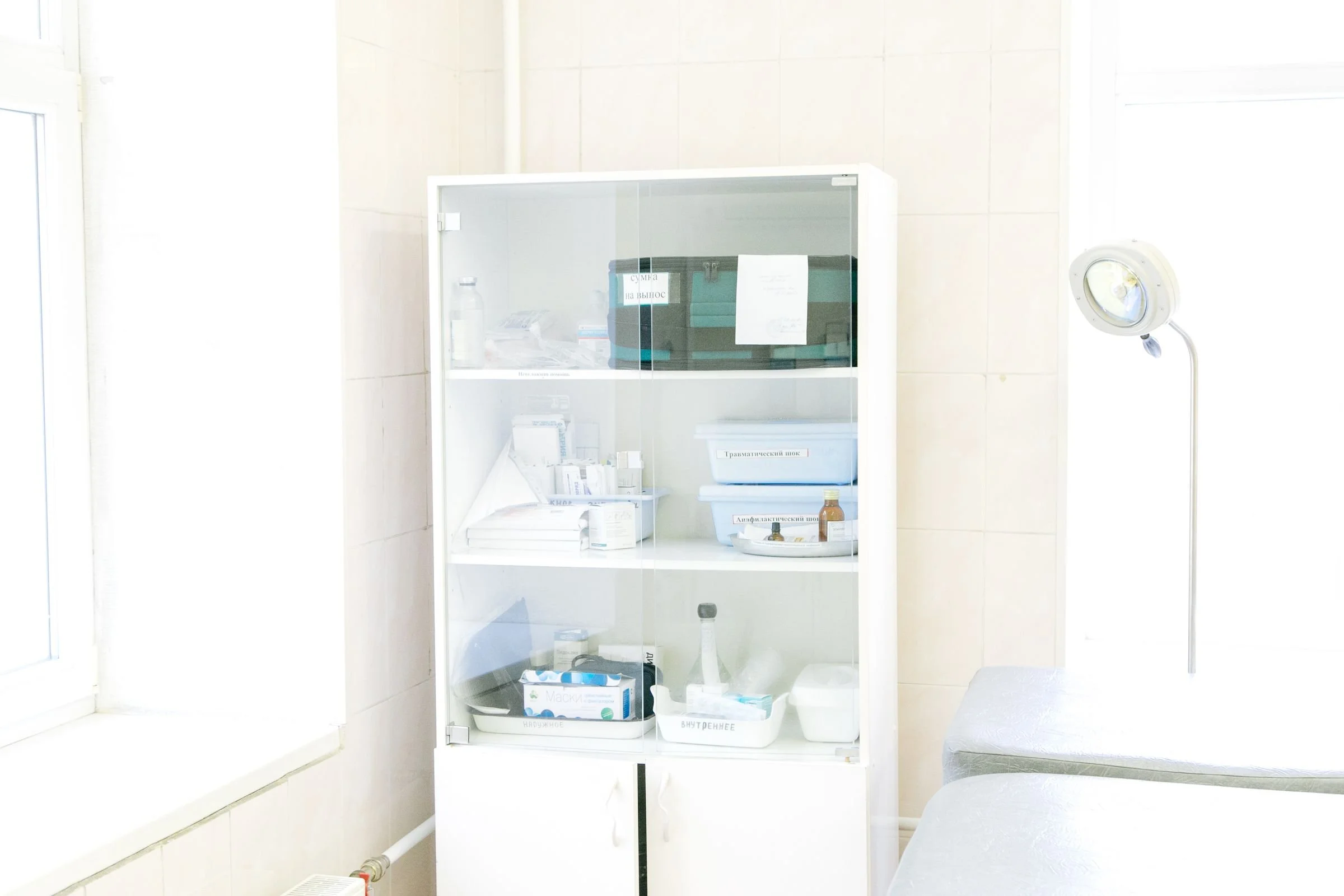
How lenders assess nurses on an ABN: nurse practitioner Medicare income, cosmetic injecting, NDIS and agency work, and the finance each business needs.
 Whitecoat Hub
Commercial Finance for Nurses · ABN Lending · Nurse Practitioners
A nurse who invoices on an ABN borrows as a business owner. Here is how lenders read nurse practitioner, cosmetic, NDIS, home care and agency income, and what each kind of nurse-run business usually finances.
Quick Answer
A nurse who invoices on an ABN is a business borrower, and lenders read the business, not the profession: its billing history, bank statements, contracts and compliance. Most nurse-run businesses fund equipment, vehicles and working capital through a business loan or equipment finance, and what each needs depends on how the business earns. Professional terms built for doctors rarely reach nurses, so the file has to stand on its own trading.
Also called: commercial finance for nurses, nurse practitioner business loan, commercial loans for nurses. They describe the same need: finance for a business a nurse owns and runs on an ABN.
Can nurses who run their own business get business loans?
Nurses who run their own business can get business loans when they trade on an ABN, because a lender treats them as a self-employed borrower like any other business owner. The registration matters for compliance, but the loan is assessed on the business: how long it has traded, what it earns, how regularly the money arrives and what it owns.
That covers sole traders, companies and trusts run by registered nurses, enrolled nurses and nurse practitioners. This page is about nurse-owned businesses, so it does not deal with employment income from a hospital or aged care roster.
The first question a lender asks about a nurse on an ABN usually has nothing to do with nursing. It is whether the income belongs to the business, from patients, clients or several contracts, or whether the business is really one engagement with one agency. That answer shapes most of what follows.
- What the lender reads first. Business bank statements, lodged BAS and, for a company or trust, the latest financials.
- How long you have traded. Your trading history on the ABN, not your years since registration.
- What the loan buys. Clinical equipment, a vehicle for home visits, a room fit-out or working capital, each of which suits a different product.
The wider picture, from goodwill to security packages, sits in our practice finance guide for medical, dental and vet practices, and more health lending topics are collected on the Whitecoat Hub.
What businesses do self-employed nurses run, and what finance does each need?
Self-employed nurses mostly run five kinds of business: a nurse practitioner clinic, cosmetic injecting, NDIS nursing, home care and wound care, and agency contracting, and each needs different finance because each earns differently. The table sets out what is usually funded and what a lender looks at.
| Business | Usual finance | What the lender looks at (indicative) |
|---|---|---|
| Nurse practitioner clinic | Business loan for set-up and working capital; equipment finance for clinical gear | Medicare and private billing history, bank statements, lease term on the rooms |
| Cosmetic injecting | Equipment finance for devices; working capital for stock and launch costs | Compliance with the cosmetic guidelines, the prescriber arrangement, client revenue in the bank statements |
| NDIS nursing | Vehicle finance; working capital to cover the gap between visits and payment | Registration status, participant mix by funding type, claim history |
| Home care and wound care | Vehicle and equipment finance; a small line of credit | Referral sources or contracts, how regularly income arrives, client concentration |
| Agency contracting | ABN car loan; small equipment; occasionally a line of credit | Agency contract continuity, length of ABN trading, how many agencies supply the work |
Equipment is usually funded with equipment finance or a chattel mortgage, where the asset itself secures the loan. Set-up costs, stock and cash flow gaps tend to sit on a business loan or working capital loan instead. For deposits and the tax side of clinical gear, see what lenders ask on medical equipment deposits and tax.
How do lenders read nurse practitioner Medicare income?
Lenders read nurse practitioner Medicare income through billing history, not item lists: what matters is how much the practice has actually billed and banked, and for how long. The Medicare settings for nurse practitioners have moved quickly, and a lender will want to see income earned under the current rules rather than a forecast built on them.
At the time of writing, MBS Online records these changes for nurse practitioners:
- From 1 July 2024, nurse practitioner attendance items increased by 30 per cent.
- With collaborative arrangements removed from 1 November 2024, nurse practitioners no longer need a legislated arrangement with a medical practitioner to bill Medicare for their services.
- From 1 March 2025, a revised structure for nurse practitioner attendance items applies.
- From 1 March 2026, further additions apply, including nurse practitioner requests for an ultrasound item.
None of this changes how the loan is assessed. A higher item value only helps once it shows up in what the practice has actually billed, and lenders typically want several months of it, often around 6 to 12 months and varying by lender, before they rely on it in serviceability.
Does a nurse practitioner clinic need private fees as well as Medicare?
A nurse practitioner clinic does not need private fees to borrow, but a mix of Medicare and private income often reads more steadily to a lender than one source alone. Where a clinic bulk bills everything, the lender will look harder at volume, the hours the nurse practitioner can sustain and whether a second clinician could carry the load.
Do medical lenders offer nurses professional loan terms?
Medical lenders rarely offer nurses the professional loan terms they give doctors and dentists, although some list nurse practitioners among eligible professions, and the terms vary by lender. Reduced documents, waived fees or higher funding usually depend on registration type, specialty and income, and most of those lists were built around medical and dental graduates. We compare the provider types and the professions each accepts in medical finance companies in Australia.
For most nurses, the more useful question is which side of the contractor line the business sits on. An agency contractor nurse and a nurse running a practice are both self-employed, but a lender reads them very differently.
| Question | Agency contractor nurse | Nurse running a practice |
|---|---|---|
| Who pays the business? | One or two agencies, on invoice | Patients, Medicare, the NDIS, health funds or several referrers |
| What proves the income? | Agency agreements, invoices and bank statements | Billing reports, BAS and bank statements |
| What does the lender worry about? | Whether the agency work continues | Costs, compliance and whether income depends on one clinician |
| What is usually financed? | A vehicle and small equipment | Equipment, fit-out, working capital and vehicles |
| How much documentation? (indicative) | Lighter, but varies by lender | Fuller, often including financials and a lease |
Neither side is a weak borrower. The contractor carries less cost and less security, while the practice owner carries more of both, and a lender prices the difference.
What do the cosmetic injectables guidelines mean for a nurse injector's finance?
The cosmetic injectables guidelines mean a lender treats compliance as part of the credit risk, because a nurse injector's business can only keep earning while it meets the Ahpra and Nursing and Midwifery Board of Australia rules. Expect a lender to ask how the clinic works, not just what it earns.
The Ahpra cosmetic procedure guidelines, in effect from 2 September 2025, set the rules for nurses performing non-surgical cosmetic procedures. At the time of writing they require:
- Experience first. At least one year of full-time equivalent general or specialist practice, outside cosmetics, for a registered nurse.
- A prescriber consultation each time. The prescriber must consult the patient in person or by video each time a prescription-only injectable is prescribed.
- No asynchronous prescribing. Prescribing by text, email or online form is not acceptable.
For a lender, a prescriber consultation each time is both a cost and a dependency. The business needs a prescriber arrangement that works on the clinic's actual booking volume, and the revenue in its bank statements has to come from a model that fits the guidelines. A clinic whose history was built on remote scripts before the change may not be able to earn the same way now, and a lender will discount that history.
Staffing costs follow the same logic. Fair Work advises that the Nurses Award covers registered or enrolled nurses giving facial injections in a beauty clinic or medical practice, so a lender reading a forecast will expect award wages for injecting staff. More on registration is in our Ahpra glossary entry.
Devices such as lasers and skin machines are covered in finance for cosmetic and aesthetic equipment, and the room set-up in our skin and cosmetic clinic fit-out checklist.
How do lenders read NDIS, home care and agency income for a nurse's business?
Lenders read NDIS, home care and agency income for its regularity and its source: who pays, under what registration or contract, and how quickly the money arrives after the work is done.
What does NDIS registration change for a lender?
NDIS registration changes which participants a nurse's business can serve, and so how much of its income a lender can rely on. The NDIS Quality and Safeguards Commission says registration is mandatory to deliver supports to participants whose funding is managed by the NDIA; an unregistered provider can serve only self-managed or plan-managed participants. Under the National Disability Insurance Scheme Amendment (Securing the NDIS for Future Generations) Act 2026, claims must be made within 90 days of the support from 1 December 2026, down from 2 years, so a business that batches claims late will see it in its cash flow. Our NDIS provider cash flow case study shows how claim timing plays out, and the NDIS provider vehicle finance checklist covers the car.
How is agency and home care income assessed?
Agency and home care income is assessed on how long the engagements have run, whether they renew, and whether one agency or referrer supplies most of the work. In our own files, a nurse with a long run on one agency contract often reads more steadily than a newer business with several small clients, though the lender will still note the concentration. On a short ABN history, indicative minimums sit at around 6 to 24 months of trading, and they vary by lender and product.
Ready
- Business bank statements showing income landing regularly
- Current registration and, for injectors, a working prescriber arrangement
- NDIS registration that matches the participants you serve
- Agency agreements or contracts with a renewal history
- BAS lodged and up to date
Not yet
- ABN only weeks old, with little business income banked
- Revenue built on prescribing the guidelines now rule out
- NDIS claims lodged late or in large batches
- One agency supplying almost all income with no written contract
- Personal and business money mixed in one account
Vehicles for home visits usually sit on an ABN car loan, and the vehicle side of mobile health work is covered in our mobile service vehicle finance guide. If your file looks closer to ready than not yet, check eligibility first, or gather your documents with the Whitecoat Pack.
Nurses on an ABN borrow as business owners, and the lender reads the business: nurse practitioner Medicare income through billing history, cosmetic income through compliance with the Ahpra guidelines, NDIS income through registration and claim timing, and agency income through contract continuity. Professional terms built for doctors rarely reach nurses, so a well-documented file does the work.
Key takeaway: get your bank statements, contracts and compliance in order before a lender sees the file, because those decide the loan, not the profession.Frequently Asked Questions
Nurses can get commercial finance when they run a business on an ABN, because the lender assesses the business's trading rather than the nursing registration. Equipment, vehicles, fit-out and working capital can all be funded through business loans or equipment finance, depending on the asset. Expect to show business bank statements and a trading history on the ABN.
A nurse can get asset finance on an ABN for equipment or vehicles used in the business, usually with the asset itself as security. A chattel mortgage is the common structure, and terms, deposits and documents vary by lender. Our guide to medical equipment finance deposits and tax covers what lenders usually ask for clinical gear.
Nurses can get car finance through their business when the vehicle is used for business work, such as home visits, NDIS support or travel between clients. An ABN car loan is the usual route, assessed on the business's trading and bank statements. Mobile health businesses have their own checklist in our mobile service vehicle finance guide.
Nurse practitioners bill Medicare directly for eligible attendance items, and since legislated collaborative arrangements were removed from 1 November 2024 they no longer need one with a medical practitioner to do so, according to MBS Online at the time of writing. The item structure changed again from 1 March 2025 and 1 March 2026. A lender reads that income through billing history and bank statements, not the item schedule.
A cosmetic nurse can own an injectables clinic as a business, but the clinical work must follow the Ahpra and Nursing and Midwifery Board cosmetic guidelines, including a prescriber consultation in person or by video each time a prescription-only injectable is prescribed. Ownership structure and contracts are questions for your solicitor. For set-up costs, see our skin and cosmetic clinic fit-out checklist and the Ahpra glossary entry.

 FBAA Accredited
