
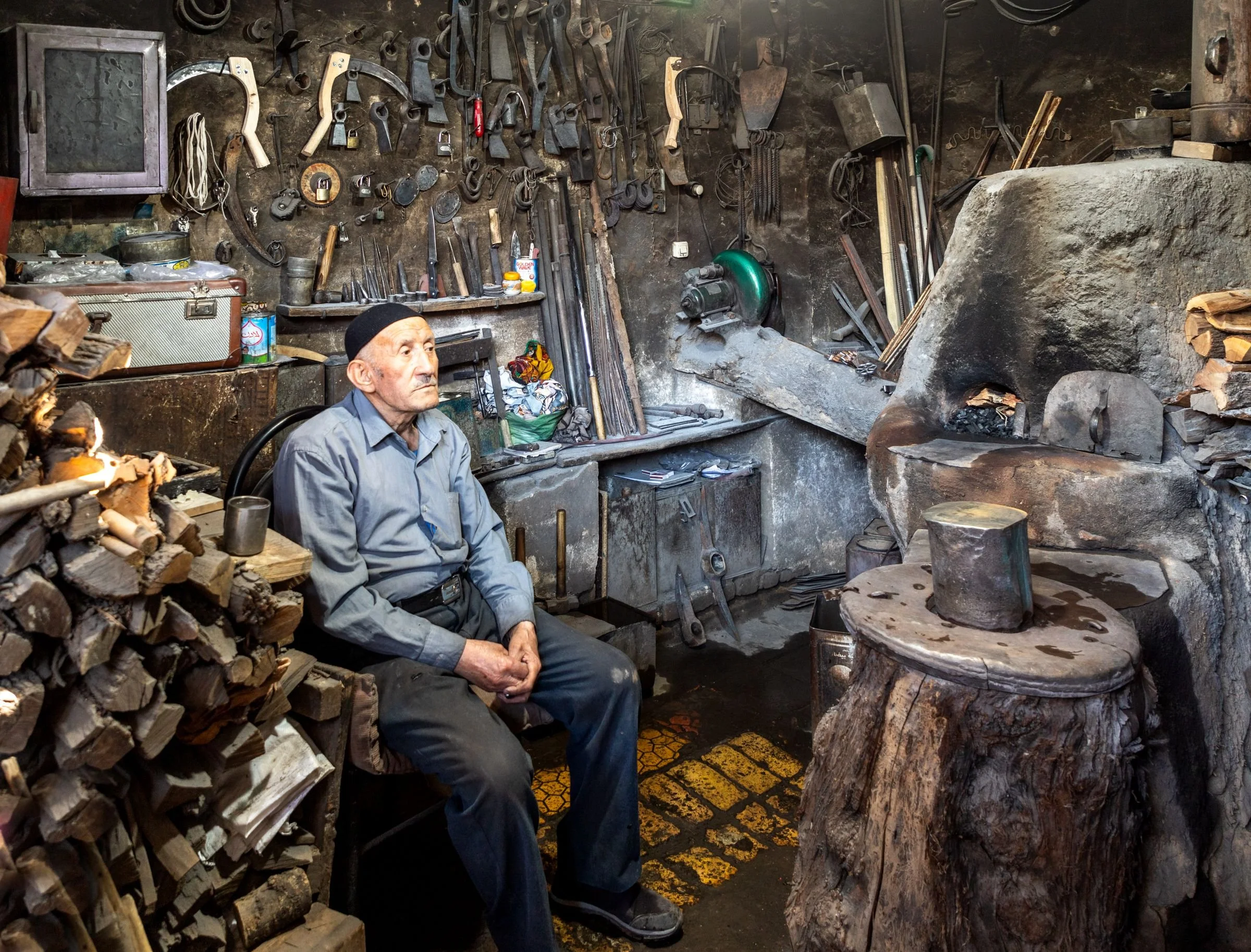
CNC machine finance in Australia. How funders value a new, used or imported machine, which quote lines they pay, and how to check a used one.
 Manufacturing Hub
CNC Machine Finance · Forced Sale Read · Quote Lines
The machine is the easy part of the quote. What decides your cash is how a funder values it and which lines around it get paid.
Quick Answer
CNC machine finance is secured lending against the machine. What a funder pays comes down to three reads: forced sale value, which lines on your quote it will fund, and what is already registered on the PPSR register. Split the quote before it goes in.
Also called: CNC machine loan, CNC equipment finance. Both describe the same thing: finance secured against the machine.
What does CNC machine finance cover?
CNC machine finance covers the machine and usually part of the cost around it, so the better question is not whether a funder will lend on a CNC. It is which lines on your quote it will pay. A lathe, mill, router or machining centre all sit in the same broad class of plant equipment, and the machine itself is normally the security.
The product is ordinary equipment finance, often written as a chattel mortgage. What changes is the asset. A CNC is heavy, specialised and only worth what the next shop will pay for it, which is why a quote that looks fine to you can read very differently to a funder. Because the funder relies on that value, the amount it will advance follows what the machine would bring if it had to be sold, rather than what you are paying for it.
So this post takes a CNC quote apart the way a funder does: value first, then the quote lines, then the registers, then the earnings. It sits alongside our manufacturing finance hub and our wider read on how funders treat CNC, food and metal fabrication. If the machine is one part of a bigger shop build, our post on welding and fabrication workshop finance covers that wider job. If you expect to add machines over time, look at whether a revolving equipment facility suits you better than one loan per machine.
How do funders value a CNC machine?
Funders value a CNC machine on what it would bring in a quick sale, not on the price you paid. That forced sale read starts from the forced sale value: what a buyer would pay at short notice, after the cost of getting the machine out of your shop. A new machine starts with the supplier's invoice, but the funder still knows the invoice and the forced sale read are different numbers.
What moves the forced sale read?
- Make and local support. A make with parts and service in Australia typically has more buyers than a rare import.
- Control age. A control that is no longer supported narrows the buyer pool, even on a sound machine.
- Configuration. A common bed size and spindle resells more easily than a machine built around one job.
- Hours and condition. Machine hour readings, service records and proof that it runs all carry weight.
- Removal cost. Rigging and transport come off whatever the machine sells for, and on a heavy machine that matters.
On a used or unusual machine, a funder may ask for an independent valuation, and that varies by funder. In deals I've seen, the gap between the quote price and the forced sale read is where the deposit conversation starts. Knowing that gap before you sign is more useful than arguing it after.
Can you finance a used CNC machine?
You can finance a used CNC machine, but the funder reads it harder than a new one because there is no new-machine price to lean on and more can be wrong with it. Whether a machine of a given age is acceptable varies by funder, so there is no single cut-off to plan around. Our guide to financing used and aged equipment covers the general rules. On a CNC, three things decide most of it.
- The machine hour reading, not just the year. A newer machine run hard can have worked more than an older one in a light shop, so give the funder both.
- Who is selling. A dealer sale with a tax invoice is usually the simplest read. A private sale or an auction typically adds steps around ownership and invoicing.
- Evidence it runs. Photos of the control, the serial plate and the machine under power, plus service records, shorten the back and forth.
A used machine also has to clear the register check further down this post. Do that before you pay a holding deposit, not after.
Which lines on a CNC quote get funded?
The machine line usually gets funded, along with lines that are physically part of it, while most of the rest counts as soft costs, which are typically funded only in part, and that varies by funder. That one distinction moves more money than most borrowers expect, because whatever the funder leaves out has to come from your cash. The table below is how a quote line tends to be read.
| Quote line | Usual read | What to check on the quote |
|---|---|---|
| The machine | Usually funded. This is the core of the security. | Make, model and year shown. On a used machine, the serial number and hours as well. |
| Factory-fitted options | Usually funded when they are part of the machine and on the same invoice. | Shown as fitted to the machine, not as a separate later delivery. |
| Starter tooling and work-holding | Often funded in part. It has little resale value on its own, and it varies by funder. | Itemised, so consumables are not mixed in with fixed items. |
| Freight and rigging | Soft costs, typically funded only in part. Varies by funder. | Who invoices it, and whether it is on the supplier quote or a separate one. |
| Installation and commissioning | Soft costs, typically funded only in part. Varies by funder. Easier when the supplier does the work. | A separate price, and a clear point at which the machine counts as installed. |
| Operator training | Soft costs, typically funded only in part. Varies by funder. | Whether it can be priced out and paid from cash instead. |
| CAM software and licences | Often limited or excluded. A licence is hard for a funder to recover and resell. | Whether it is a one-off purchase or an ongoing subscription. |
| Service plan or extended warranty | Varies by funder, and often left off. | Whether paying it separately suits your cashflow better. |
| Import duty and GST | Varies by funder and by structure. See the imported machine section below. | Whether the quote is landed or ex-factory, and who is the importer. |
| Site works: power, air, footings | Usually outside equipment finance. See our read on funding a factory setup. | Who is doing the work, and when it is due against the machine delivery date. |
This table is a general broker read, not any funder's policy. Your own quote may be treated differently.
What works
- Every cost on its own quote line
- Make, model and year stated
- Serial number and hours on a used machine
- Supplier details and GST shown clearly
- Soft costs priced separately
What stalls
- One bundled price for machine, tooling and install
- Software folded into the machine price
- A private seller with no proof of ownership
- A deposit due overseas before the machine ships
- An undated quote that has expired by approval
In deals I've seen, the quickest fix for a stalled file is often a rewritten quote at the same total price, with each cost on its own line. Ask the supplier before the quote goes to a funder, and bring it with the rest of your manufacturing loan pack.
How do you finance an imported CNC machine?
You finance an imported CNC machine by separating the cost of getting it here from what it is worth once it is here. A funder's forced sale read looks at the Australian resale market, so the price paid overseas plus every cost of landing it can sit well above what the funder will rely on. Our piece on landed cost versus valuation covers that gap, and our guide to importing business equipment covers the wider process.
The import charges are real line items. Generally all goods imported into Australia are liable for duties and taxes unless an exemption or concession applies, and GST is payable on imported goods unless exempt (Australian Border Force, cost of importing goods, updated 23 September 2026, read 3 November 2026). What applies to your machine depends on the goods and the import, so confirm it with your customs broker before you budget. If your business uses the deferred GST scheme, raise it early with your accountant, because it bears on your cash at landing.
Timing is the other problem. An overseas supplier may want money before the machine ships, when there is nothing for the funder to take security over. Our post on overseas supplier deposit risk covers how to handle that stage. Plan how the deposit is paid before you sign the order, not when the invoice arrives.
How do you check a used CNC machine on the PPSR?
You check a used CNC machine with a PPSR search by grantor, because machinery is searched by the owner's details rather than the machine's own number. Machinery and equipment are non-serial-numbered goods on the PPSR and are searched by the grantor's details, usually the ACN, or name and date of birth for an individual (PPSR, serial-numbered and non-serial-numbered searches, no page date shown, read 3 November 2026). A vehicle check does not carry across, so do not assume a serial number will find anything.
- Get the seller's details. The ACN for a company, or the full name and date of birth for an individual.
- Run the grantor search. Search on the seller, not the machine.
- Read what comes back. A registration may be tied to specific goods or be broad enough to catch everything the seller owns, including under a general security agreement.
- Ask about anything that could touch the machine. A search does not show how much is owed, so get the release confirmed in writing by the secured party before money moves.
- Ask where the seller got it. A grantor search only reads the name you give it. If the machine came from an earlier owner recently, search that owner as well.
Your funder will typically run its own grantor search too, but finding a problem yourself before you pay a deposit is far cheaper. Our post on PPSR checks for asset and vehicle finance covers the rest of the register.
What does a CNC machine need to earn?
A CNC machine needs to earn more per machine hour than it costs to own and run, at a level of work you can actually sell. There is no standard number, because shop rates, jobs and running costs all differ, so the useful part is the method.
- Find the repayment. Use our equipment finance calculator for an indicative monthly figure.
- Add the running costs. Tooling, power, maintenance, insurance and the operator.
- Divide by billable hours. Use the hours you can invoice in a month, not the hours in the month. That gives you a break-even cost per machine hour.
- Compare it with your shop rate. The gap is what the machine adds to the business.
- Run it again with less work. Drop the billable hours as if your largest customer went quiet, and see if the machine still pays.
A funder's serviceability test looks at the whole business rather than one machine, but this sum tells you whether the machine belongs on the floor at all. If the numbers only work with a different structure, our comparison of manufacturing loan types is the next read.
A CNC machine is financed on what it would fetch, not what it costs, and only some of the quote is paid. Value drives the advance, the quote line split decides how much cash you still need, and on a used machine a grantor search tells you whether the seller can hand it over clean. Run the machine hour sum first, so the finance is answering a question the shop has already settled.
Key takeaway: before the quote goes to a funder, get it itemised line by line and check the machine against the PPSR with a grantor search.Frequently Asked Questions
CNC machine loans work as secured finance, where the funder pays the supplier, takes security over the machine and you repay it over an agreed term. A common structure is a chattel mortgage, where the business owns the machine from the start. The term, the deposit and any balloon payment vary by funder.
CNC financing is available for a small machine shop, as long as the funder can read both the business and the machine. Where the financials are limited, a low doc route can be an option, and our low doc read on CNC and metal fabrication covers how that is structured. Trading history, credit file and the forced sale read on the machine all shape the answer.
The deposit machinery finance needs has no fixed figure, because it varies by funder and by the file. A funder typically asks for more when the forced sale value sits well under the price, when the machine is old or unusual, or when trading history is short. Any soft costs the funder will not pay also come from your cash, so count them in what you put in.
A machinery finance lease is not automatically better than a chattel mortgage, because the answer depends on who should own the machine and what you want at the end of the term. A finance lease leaves ownership with the funder during the term, while a chattel mortgage has the business owning it from the start. Our guide to chattel mortgage, lease and hire purchase sets out the differences, and your accountant should weigh the tax side.
The instant asset write-off applies to a CNC machine only if the machine costs less than $20,000, was first used or installed ready for use on or after 1 July 2023, and the business has aggregated turnover under $10 million (ATO, write-off page, updated 28 August 2026, read 3 November 2026). A machine at or above that limit sits outside it, and how it is treated as a depreciating asset is a question for your accountant.

 FBAA Accredited
