
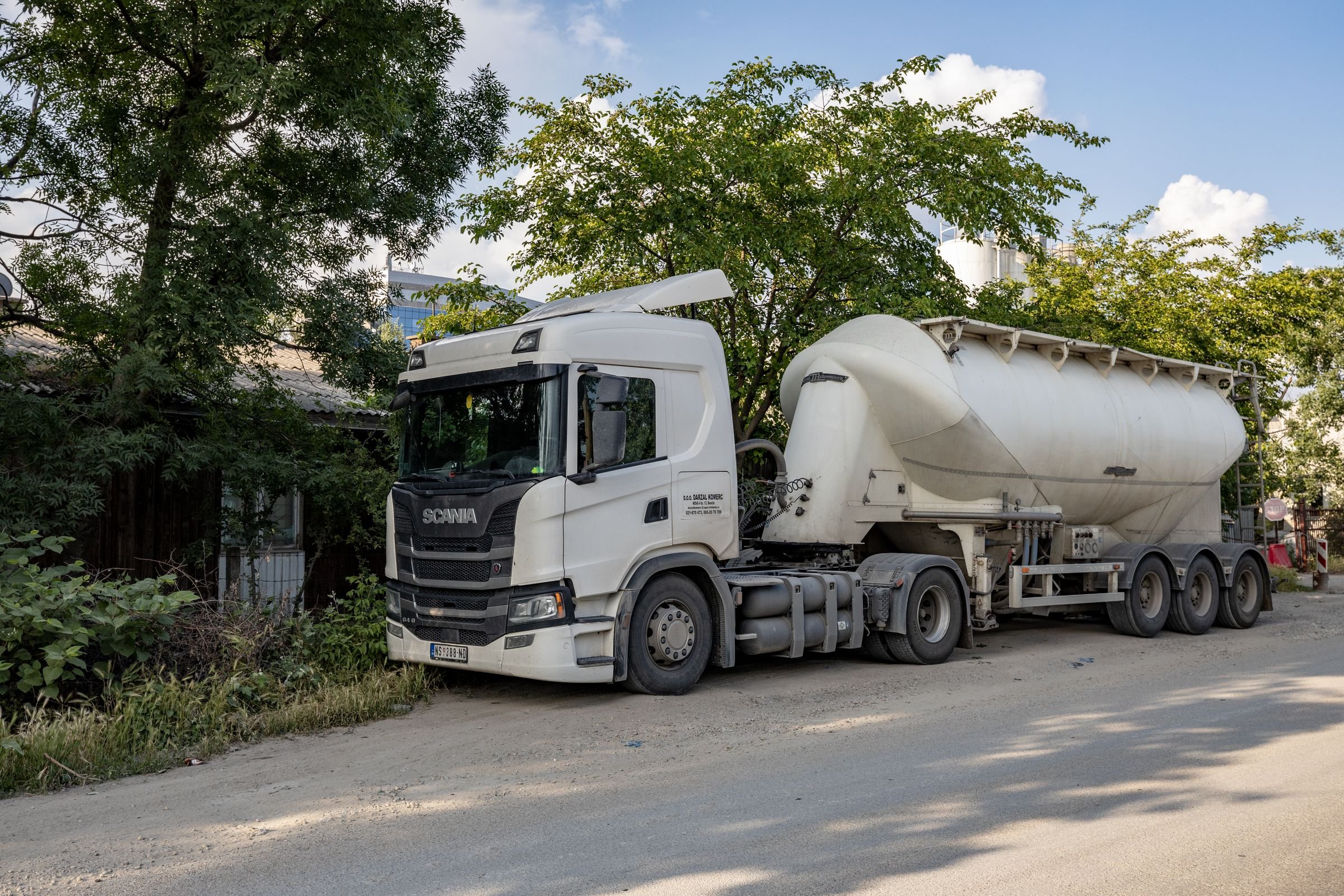
Manufacturing business loans compared: equipment, working capital, trade, invoice, factory and government-backed finance, and when each one fits.
 Manufacturing Hub
Manufacturing Business Loans · Loan Types · Government Finance
Which loan should a manufacturer use when the same business needs machinery, raw materials, a bigger factory and cash to fill a large order? Usually more than one. Here is how each facility compares, what secures it, where 2026 government-backed finance fits, and what lenders read first.
Quick Answer
Manufacturing business loans usually combine equipment finance for machinery, working capital or trade finance for materials and orders, invoice finance for slow payers, a commercial property loan for the factory, and in some cases government-backed loans. Each facility is matched to what it funds, so the term and the security follow the asset. Start with the business loan options and the machinery finance basics, then compare them in the tables below.
Also called: manufacturing finance, manufacturing loans, loans for manufacturing companies. They describe the same search; "manufacturing finance" also covers leases and trade finance, which this insight includes.
What business loans do manufacturers use in Australia?
Manufacturers in Australia usually use several loans at once, because machinery, materials, premises and cash flow each suit a different facility. One business, several facilities is the normal shape of a manufacturing file, not a sign that the business is overborrowed.
A typical mix looks like this: asset finance for the machines, a working capital loan or line of credit for wages and materials, invoice finance when customers pay on long terms, trade or purchase order finance when a big order needs materials paid for up front, and a commercial property loan once the business owns or buys its factory. Government-backed loans sit alongside these for businesses that meet a program's rules.
Trouble usually starts when one facility is stretched to do another's job. A multi-year term loan used to pay for raw materials that turn over within a couple of months leaves the business repaying stock it sold long ago. The cleaner manufacturing files match each dollar to the asset or cycle it funds. The mix also shifts by what you make: a CNC shop, a food producer and a metal fabricator are read differently, as covered in manufacturing finance by vertical. The manufacturing hub collects every manufacturing guide and insight in one place.
How do the main manufacturing loan types compare?
The main manufacturing loan types differ in what they fund, what secures them and how long they run, and the rule that ties them together is that the term should match the life of what is being funded. The first table sets the eight common facilities side by side.
| Loan type | Funds | Secured by | Fits when | Watch for |
|---|---|---|---|---|
| Chattel mortgage or equipment loan | Machinery, plant, forklifts, vehicles | The equipment itself | You want to own the machine from day one | Specialised machines with a thin resale market |
| Finance lease | Machinery and plant | The lender owns the asset during the lease | You prefer lease payments and a residual at the end | Residual amount and end-of-lease options |
| Working capital loan | Wages, materials, short-term gaps | Unsecured, a general security agreement or property, varies by lender | A known gap with a clear repayment source | Using a short facility for a long-term need |
| Line of credit | Recurring cash flow swings | Often property or a general security agreement | Seasonal or lumpy production cycles | A balance that never clears |
| Invoice finance | Cash tied up in unpaid invoices | The receivables ledger | Creditworthy customers on long payment terms | Customer concentration and disputed invoices |
| Trade or purchase order finance | Paying suppliers for materials or goods before customers pay | The order, the goods and the buyer's credit | A large confirmed order bigger than your cash | Short terms and documentation for each shipment |
| Commercial property loan | Buying, refinancing or borrowing against the factory | The industrial property | You own the site or want to buy it | Valuation of specialised industrial property |
| Government-backed loan | Program-specific: exports, capital expenditure, disruption relief | Set by each program | Your business meets the program's eligibility rules | Program windows, criteria and paperwork |
The second choice, after the facility type, is who lends it. Banks and non-bank lenders can offer most of these facilities, but they suit different files.
| File feature | A bank usually fits when | A non-bank lender usually fits when |
|---|---|---|
| Financials | Typically two or more years of clean financials and tax returns | Financials lag, a recent year dipped, or low doc income evidence is used instead of full returns |
| Timing | There is no deadline pressure on the funds | An order or supplier deadline needs funds quickly |
| Machinery | Mainstream machinery with a known resale market | Specialised or imported machinery |
| Security and sector policy | Property security is available and bank policy still supports your sector | The bank has tightened policy on your industry |
If you want to see which side of that table your file sits on, you can check eligibility before you commit to a lender.
How do you finance machinery and plant?
Machinery and plant are usually financed with a chattel mortgage, a finance lease or hire purchase, where the machine itself secures the loan. Because the asset carries the security, these facilities rarely need property behind them for mainstream equipment.
A chattel mortgage gives you ownership from the start with the lender holding a charge over the machine. A finance lease keeps ownership with the lender until the residual is paid. Hire purchase sits between the two, with ownership passing at the final payment. The tax and accounting differences between them, and when renting beats all three, are set out in lease vs rental vs chattel mortgage vs CHP. Whether to pay cash at all is its own question, answered in cash vs finance for manufacturing equipment.
The machine's resale market shapes the deal more than most owners expect. A standard forklift or press brake has a deep second-hand market, so lenders are comfortable. A custom line built for one product does not, so expect a larger deposit, a shorter term or extra security. Where full financials are not ready, low doc asset finance can fund equipment on alternative income evidence. For a city example, see manufacturing equipment finance in Melbourne. If you are setting up a new site rather than adding machines to an existing one, the order to fund it in is covered in funding a new factory setup.
How do manufacturers fund raw materials and large orders?
Manufacturers usually fund raw materials and large orders with trade finance, purchase order finance, invoice finance or supplier terms, depending on whether the cash gap sits before production or after delivery.
- Before production. Trade finance or purchase order finance pays the supplier for materials or imported goods, and is repaid when the customer pays. It suits a confirmed order that is larger than the business's cash.
- During production. A working capital loan or line of credit covers wages, power and consumables while goods are being made.
- After delivery. Invoice finance advances most of an approved invoice's value so you are not waiting out long customer terms.
- Supplier terms. Negotiated trade credit costs nothing in interest and is often the first lever, though it depends on your supplier relationships.
The detail on funding stock against long customer terms, including how the facilities stack and the order to use them, sits in working capital for manufacturers on raw materials and 60-day terms. Typically, the lender wants to see the order or contract itself, because the repayment comes from that customer.
Can you borrow against the factory or buy the one you lease?
You can borrow against a factory you own with a commercial property loan, and many manufacturers buy the factory they lease using an owner occupier loan. Property security usually brings longer terms and lower pricing than unsecured facilities, though the loan size depends on the valuation and varies by lender.
Industrial property is valued differently from a house. Specialised fit-outs, heavy power and zoning all affect what a valuer will sign off, and a commercial property loan is sized against that figure. Buying the site you already occupy has its own advantages, set out in buying the factory you lease. How owner occupier loans for manufacturers are assessed is covered in owner occupier commercial property loans for manufacturers, and a state example is covered in Victorian manufacturing business loans.
Going the other way, a manufacturer that owns its site can release cash by selling it and leasing it back. That route, and when it beats a refinance, is covered in sale and leaseback for manufacturers.
What government-backed finance is available to manufacturers in 2026?
Government-backed finance for manufacturers in 2026 comes mainly through Export Finance Australia, the Economic Resilience Program and the National Reconstruction Fund, and each program sets its own eligibility rules. None of it replaces ordinary finance for the rest of the business, but it can change the cost and terms of a specific project.
Who can use Export Finance Australia?
Export Finance Australia supports manufacturers that are exporting or supplying exporters. At the time of writing, its finance for Australian manufacturers expanding globally lists loans from $20,000 for capital expenditure, pre-shipment finance or export growth, plus bonds and guarantees with minimal cash cover. Its indicative criteria are an ACN, two years of trading, turnover above $250,000 and profitable operations, and the agency states it is not available to startups or sole traders at this time.
What is the Economic Resilience Program?
At the time of writing, the Economic Resilience Program on business.gov.au offers zero-interest loans to manufacturing and logistics businesses in targeted supply chain sectors, including freight, fuel, fertiliser and plastics, that are materially impacted by market disruptions linked to the Middle East conflict. Loans up to $5 million go through participating banks on terms up to two years and need an ABN and an eligible ANZSIC code; the principal is repaid in full and standard bank fees apply. Larger amounts go through the National Reconstruction Fund Corporation.
The bank-administered window runs for six months, and the program page is dated 14 May 2026, so check whether it is still open before you plan around it. The National Reconstruction Fund itself invests in larger manufacturing projects and is worth naming even if it will not fit most small manufacturers. For every program here, check eligibility with the program; a broker can prepare the financials, but the program decides who qualifies.
What do lenders look at first on a manufacturing loan?
Lenders usually start a manufacturing loan with the order book and who the customers are, then stock and work in progress, margins and what the machinery would sell for if things went wrong.
- The order book and who the customers are. Confirmed orders show where repayments come from. One customer making up most of revenue is a concentration risk, even if that customer is large.
- Stock and work in progress. Finished goods can be sold, but work in progress lenders cannot easily sell carries little security value, so a balance sheet heavy in half-built product is read cautiously.
- Margins. Lenders read gross and net margins from your financial statements to see whether input cost rises are being passed on.
- Machinery resale value. The second-hand market for your equipment sets how much of an equipment loan the asset alone can carry.
- Serviceability across the whole file. Every facility is added together, and the lender checks serviceability on the total, not loan by loan.
From the underwriter's seat, the strongest manufacturing files explain the production cycle in one page: how long from order to cash, and which facility covers each stage. How lenders weigh the whole file, including security order and cross-collateralisation, is set out in how lenders read a manufacturer's whole finance file. The manufacturing loan pack lists the documents to have ready.
When do manufacturers use non-bank or private lenders instead of a bank?
Manufacturers use non-bank or private lenders when a bank is too slow, when its policy does not fit the file, or when the bank has stepped back from the industry altogether. The trade-off is speed and policy fit for a higher cost, which varies by lender, so the question is whether that speed or fit is worth the margin.
A non-bank lender funds from its own capital or wholesale lines rather than deposits, so its credit policy can take a recent loss year, a single large customer or imported machinery that a bank would decline. Private lenders go further, lending mainly against property for short terms, which suits covering a short gap rather than funding the business long term. Which lenders accept which file features is mapped in the non-bank lender policy matrix.
If your bank has told you it is reducing exposure to manufacturing, or is not renewing a facility, the steps to take before a deadline lands are covered in what to do when your bank no longer lends to your industry. A common pattern is to move the most urgent facility to a non-bank lender first and refinance back to a lower-cost lender once the financials have caught up.
One business, several facilities. Machinery belongs on equipment finance secured by the machine, materials and orders on trade, working capital or invoice finance matched to the cash cycle, and the factory on a commercial property loan. Government-backed loans through Export Finance Australia and the Economic Resilience Program can sit alongside these for businesses that meet each program's rules. Lenders read the order book and who the customers are first, then stock, margins and resale value, and non-bank lenders trade speed and policy fit for a higher cost.
Key takeaway: match each facility's term and security to what it funds, then decide bank or non-bank on policy fit and timing.Frequently Asked Questions
Getting a manufacturing loan starts with matching the facility to what the money is for, then giving the lender the documents that prove the business can repay it. That usually means recent financials and BAS, a schedule of existing finance, the order book and quotes for any machinery. The manufacturing loan pack lists what to prepare, and a broker can match the file to a lender whose policy fits.
Grants available to Australian manufacturing businesses change often, and much of the Commonwealth support for manufacturers is delivered as loans, co-investment or guarantees rather than grants. The Industry Growth Program supports innovative small and medium businesses with commercialisation and growth projects; check current eligibility on business.gov.au before planning around it. A grant rarely covers a whole project, so the balance is still usually funded with asset finance or a business loan.
Interest on a manufacturing business loan is generally deductible when the borrowed money is used to earn business income, but how much you can claim and when depends on your structure and the facility. Leases, chattel mortgages and hire purchase are treated differently, and machinery is usually claimed through depreciation rather than as a single expense. Confirm the treatment with your accountant before you choose the facility.
The best loan for a manufacturing company is the one whose term and security match what the money funds, so there is rarely a single best loan for the whole business. Machinery suits equipment finance, raw materials suit trade or working capital facilities, and premises suit a commercial property loan. For machinery, lease vs rental vs chattel mortgage vs CHP compares the options in detail.
A private lender can fund a manufacturing business, usually for a short term and against property security rather than the business's cash flow. It suits a time-critical gap, such as a bank declining a renewal or an order that needs funding quickly, with a planned refinance afterwards. Pricing is typically higher than a bank, so compare it with other non-bank lender options first.

 FBAA Accredited
