
Grain & Livestock Haulage Add-Ons You Can Bundle Into Finance (2025): A Practical Upgrade List
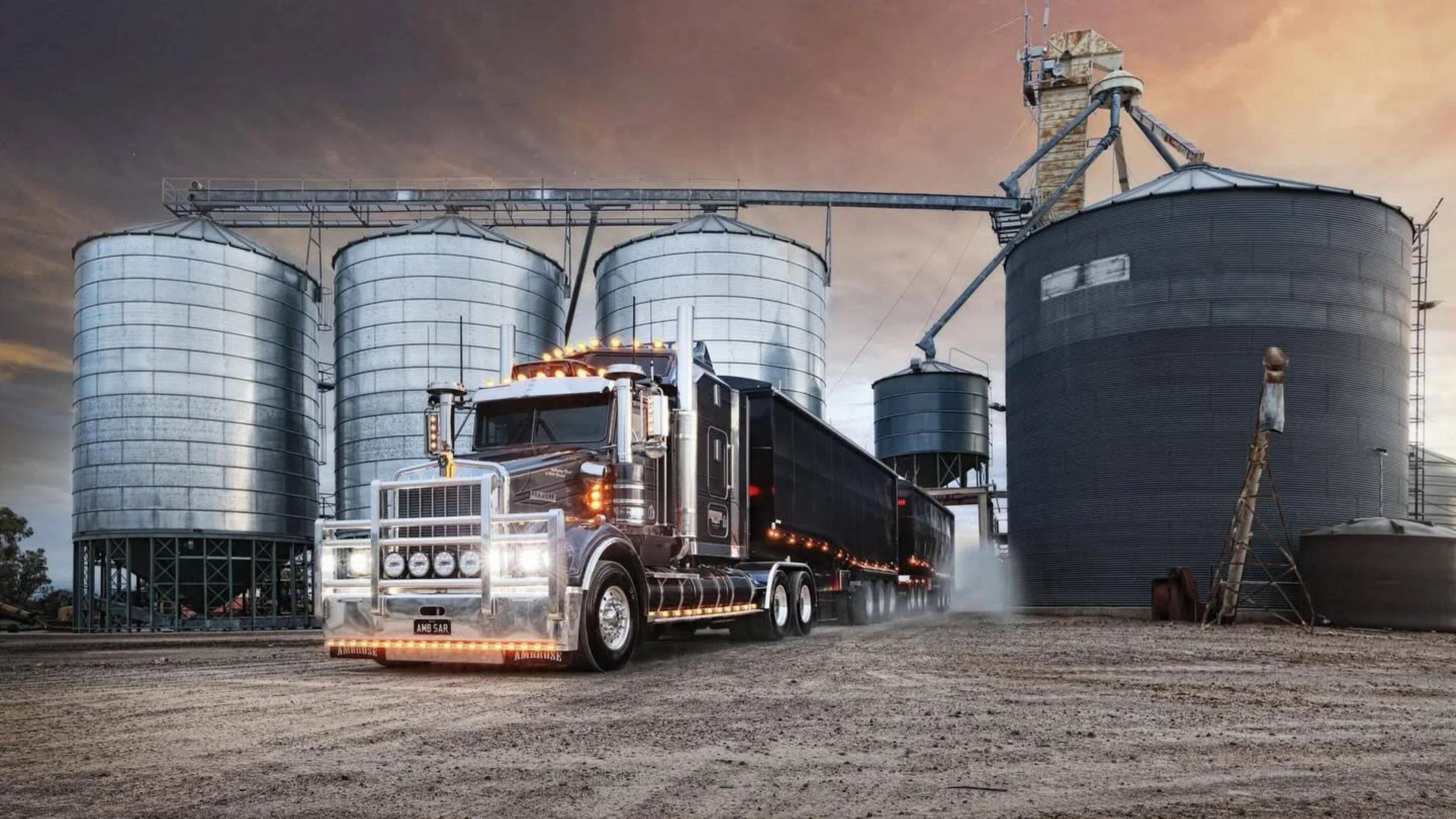
Grain & livestock haulage add-ons to bundle into truck finance for transport operators – Switchboard Finance
 🌾🐄 Grain + livestock haulage · add-ons on one quote ·
Transport Hub
(called “truckie” in slang) · 2025
🌾🐄 Grain + livestock haulage · add-ons on one quote ·
Transport Hub
(called “truckie” in slang) · 2025
Truckers, owner-drivers and transport businesses get cleaner truck finance outcomes when the finance matches the job — not just the truck. In rural logistics, grain and livestock work is all about turnaround, safety and damage control, especially across a working fleet.
This guide is built for Low Doc submissions under an ABN where the fastest path is simple: one supplier scope, one final quote, and the add-ons listed as line items so your cashflow plan doesn’t get stuck in quote rework.
- Hero explainer: What Is Fleet Finance? (the core transport explainer).
- Pack: Truck Loan Pack (set up the file once, reuse it on upgrades).
- Checklist: Truck Finance Checklist 2025.
- Fast approvals: Low Doc Truck Finance 2025 — Fast Approval Tips for Owner-Drivers.
- Combo funding: Truck Bodies, Trailers & Extras: Finance the Whole Combo Without Killing Cashflow.
- Season planning: Truck & Farm Transport Cashflow Map 2025.
1) Transport & logistics bundling rules (and what causes quote rework)
Clean submissions look final: one supplier, one scope, and a single quote where each add-on is priced as a line item. For a trucker or transport business, that’s the difference between “approved and moving” vs “paused while the quote is re-issued”.
Rework usually comes from late additions, second suppliers, or “TBC” totals — especially when you’re juggling seasonal spikes, a fuel/maintenance buffer, and tight slot times at sites. If you want a simple compliance reference for heavy vehicle operations, use NHVR as your one external link.
- Clean: installed upgrades on the main quote (priced, specified, totalled).
- Slow: separate invoices, changing scopes, or “we’ll add it later” items.
- Clean: anything that reduces downtime, damage, or loading/yard time.
2) Upgrade list: grain + livestock add-ons that commonly bundle well
Keep the list operational: faster turnaround, safer load handling, less damage. If the upgrades are genuinely part of a single Truck Body Fit-Out, they’re usually easier to present as “the working asset setup”, not accessories.
Use the table below as your quote brief and keep the naming consistent across every revision (same labels, same totals). This matters even more when you’re trying to protect fleet cashflow around backhauls and empty kms.
| Add-on | What it fixes | Why operators add it | What keeps it clean |
|---|---|---|---|
| Fast tarp system + controls | Slow cover/uncover in weather | Less yard time, fewer delays | Installed price listed as a line item (no “TBC”) |
| Discharge assist / auger spec | Slow unload at sites | Faster turnaround on tight slots | Clear spec + one supplier install scope |
| Livestock partitions + gates | Unsafe loading & movement stress | Safer handling, fewer incidents | Measurements/materials documented on quote |
| Wash-down + non-slip flooring | Hygiene + slip risk + clean time | Faster clean, safer decks | All components priced and totalled |
| Cameras + lighting package | Blind spots, night-yard risk | Less damage downtime | Keep it on the same quote (avoid separate receipts) |
| Tracking hardware + POD kit | Disputes & job proof gaps | Cleaner proof-of-delivery | Hardware + fitment only (avoid “subscription-only” scope) |
3) Owner-driver & fleet checklist: what to send before you apply
If you’re applying under Low Doc, you’re proving reality through trading evidence. The fastest submissions make it obvious what the asset is, what the upgrades are, and what the total is — without extra back-and-forth.
Your supporting story should match your trading pattern (not a perfect spreadsheet). That’s why your Bank Statements and timing narrative matter — especially around seasonal haulage peaks, the docket-to-pay lag, and cashflow pressure that hits between BAS dates.
- One quote: truck + add-ons as line items, one supplier scope, one final total.
- One story: what the add-ons solve (yard time, damage, safety, turnaround).
- No churn: lock the upgrade list before submission to avoid re-issue loops.
- Cash pressure separate: if the issue is Cashflow timing (fuel/repairs/BAS), solve it with a facility — not quote changes.
- Use the pack: Truck Loan Pack so the same file can support the next upgrade.
Truckers, owner-drivers, transport & logistics businesses keep approvals cleaner when add-ons look like part of the working asset: one supplier, one scope, one final total — and no last-minute quote churn.
Start with the asset lane via Low Doc Asset Finance. Keep timing gaps separate using Working Capital Loans, a Business Line of Credit, or Invoice Finance. For repeat upgrades, set up your file once with the Truck Loan Pack.
FAQ
Usually not, as long as the upgrades are priced and specified on one final quote. With a Chattel Mortgage, the lender mainly wants clear valuation and a stable scope.
Same principle: one supplier scope and one total. On a Finance Lease, bundling is cleanest when the add-ons are treated as part of the financed asset setup.
If the scope looks like separate shopping or short-life accessories, it can trigger questions. With an Operating Lease, keep add-ons clearly tied to the working asset configuration and fully priced.
It can, because the financed amount changes. If you’re structuring with a Balloon Payment, keep the add-on list tight so weekly numbers stay realistic and easy to support.
Both matter — but scope stability is what most often causes delays. If you’re planning around Residual Value, lock the add-ons early so the valuation story doesn’t change mid-file.
