
Sale & Leaseback for Manufacturers (2026): Plant to Cash
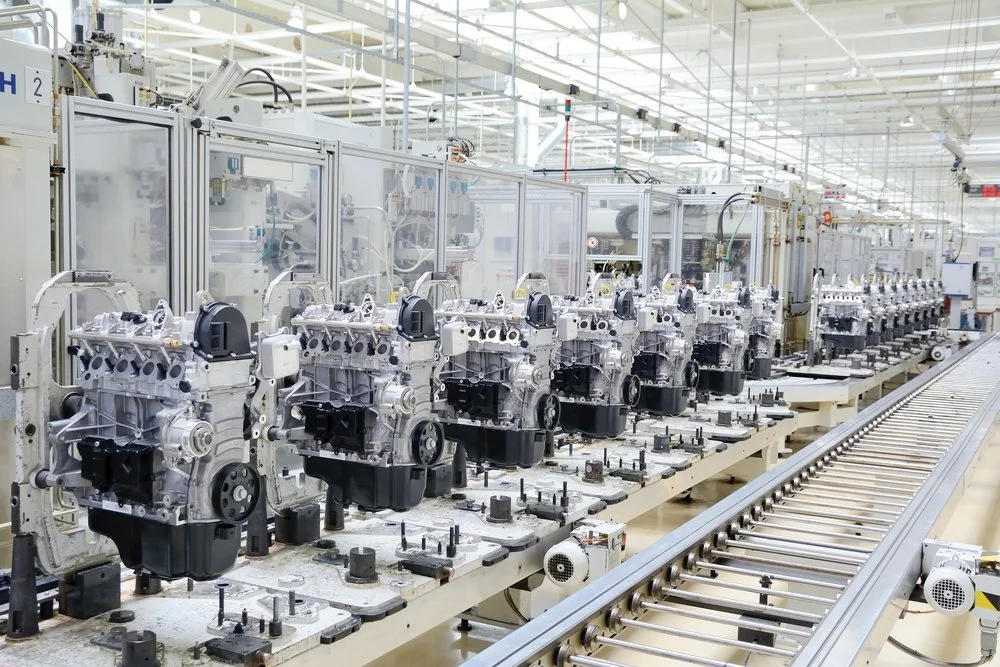
Manufacturer sale and leaseback on owned plant and equipment for working capital in Australia – Switchboard Finance
 Manufacturing Hub
Plant Sale-Leaseback · Working Capital Unlock · CNC · Laser · Chattel to Rental · Lender View
Sale & Leaseback for Manufacturers (2026): Plant to Cash
Most manufacturers think their owned CNC is locked equity — quietly sitting on the factory floor while working capital gets squeezed by 60-day raw material terms. Sale and leaseback reads the asset differently. The machine stays on the hardstand, the title moves to a funder, cash hits the trading account, and a deductible rental replaces a depreciating lump. Here's the before / after and how lenders read the file.
Quick Answer
Sale and leaseback lets a manufacturer sell owned, paid-off plant to an asset finance funder and lease it back under a new facility. Title moves, the machine stays in the factory, cash hits the trading account, and the old depreciating lump is replaced with a deductible rental or new chattel mortgage. It's the fastest way to unlock working capital from equity trapped inside production plant.
The CNC You Own Isn't Locked Equity — It's Liquid on Paper
Most manufacturers think of an owned, paid-off CNC the same way they think of the factory roof: a fixed, immovable part of the operation. The machine paid itself off in its third year. Since then, it's run every shift, earned its keep, and quietly depreciated on the balance sheet. The bookkeeper ticks it off as a capex win. The operations manager books production against it. Nobody looks at it as a funding source — it's the thing that does the funded work.
But the plant is also equity. The machine has a current market value, a documented depreciation schedule, a known make and model, and — in a healthy used-machinery market — a short path to a written valuation. That's all a sale-and-leaseback funder needs to read. Title moves to the funder, the machine stays on the factory floor, and a lump of cash hits the trading account within two to three weeks in most clean files. The operational footprint doesn't change. The balance-sheet and cashflow footprint changes a lot.
The tension this solves is the one Australian manufacturers have been staring at through the whole 2025 raw material cycle: 60-day supplier terms on steel, aluminium and composites compressing working capital against debtor terms that haven't moved. Applying for a fresh working capital facility takes weeks of BAS and bank-statement review. Sale-leaseback converts an asset the factory already owns into the same cash position — faster, and without adding a second servicing review on top of existing commitments.
Before / After: What a Sale-Leaseback Actually Unlocks
The clearest way to read sale-leaseback is side by side. On the left, the cashflow and balance-sheet picture before the transaction. On the right, the same factory after the machine has been sold to an asset finance funder and leased back under a new facility. The production line runs unchanged — this is a paperwork change, not an operational one.
- Balance sheet: CNC held at written-down value, fully depreciated over 5-year schedule. No matching liability.
- Cashflow: no rent or loan payment against the machine. Zero monthly outgoing.
- Working capital: trading account tight against 60-day steel supplier terms. Overdraft being tapped week to week.
- P&L deduction: only residual depreciation remaining. No interest deduction, no rental deduction.
- Operational position: machine runs three shifts, unchanged.
- Funder risk exposure: nil — the factory is taking all the working capital risk on its own balance sheet.
- Balance sheet: CNC off the asset register. Cash received sits in the trading account or pays down an overdraft.
- Cashflow: new monthly rental or chattel mortgage repayment. Deductible.
- Working capital: lump released against machine value. Overdraft normalised, supplier terms met on time.
- P&L deduction: full rental deduction (finance lease) or interest + new depreciation (chattel mortgage structure).
- Operational position: identical — machine on the same slab, running the same jobs.
- Funder risk exposure: funder takes security over the known, paid-off plant. Low-risk deal to underwrite.
The cash lump released depends on the funder's view of the machine's current market value — for CNCs, presses, lasers and fabrication gear, there's usually a defensible used-market price because the brand and model trade through auction and broker channels regularly. Older or highly specialised plant (custom jigs, obsolete controllers) gets a tighter valuation and a lower leaseback amount. See used machinery finance for manufacturers for how funders read the used-plant market more broadly.
Faster vs Slower Paths to the Same Working Capital
Sale-leaseback isn't the only way to free cashflow in a manufacturer's trading account. It's one of several paths — and in practice it's almost always the fastest to settle when the factory already owns the target asset outright. The slower routes aren't wrong, they just take longer and usually require more servicing evidence.
Faster paths (1–4 weeks)
- Sale-leaseback on an already-unencumbered, paid-off CNC / laser / press
- Chattel-mortgage top-up where the existing loan is nearly retired
- Funder valuation off make/model and recent auction comps (no full appraisal)
- Settlement into the trading account within 2–3 weeks on a clean file
- Operational footprint unchanged — machine stays on the hardstand
- Deductible rental or new depreciation schedule replaces residual book value
Slower paths (4–12 weeks)
- Fresh working capital loan — full servicing review, BAS, two years of financials
- Invoice finance — debtor-by-debtor ledger review, 4–6 weeks to onboard
- Business line of credit — servicing calc plus security review, covenant negotiation
- Overdraft extension — lender relationship review, rate repricing
- Director loan from the company — Div 7A implications and accountant involvement
- New capex raise on replacement plant — adds debt, doesn't unlock existing equity
The practical question isn't "which product is cheapest" — it's "how much working capital am I trying to unlock, how fast, and what's sitting on the factory floor already paid off?" If the answer is a five-year-old production machine with a real used-market value, sale-leaseback almost always runs ahead of a fresh cashflow facility. If the answer is that there's no unencumbered plant to leaseback against, the slower cashflow-facility path is the right one. Either way, a broker should model both before committing to one — see cash vs finance for manufacturing equipment for how this logic plays through other capital decisions. Talk to a broker before signing anything — the first conversation costs nothing and usually reshapes the timing of the whole raise.
How Funders Read a Sale-Leaseback File
A sale-leaseback is usually a low-risk file for the funder and a mid-complexity file for the broker. The funder already knows the asset — make, model, serial, age, condition. The security is the same machine that's about to be their title. What the funder is reading is three things: current market value of the plant, the factory's servicing ability on the new rental or repayment, and any existing security interest registered on the PPSR. Most paid-off manufacturer plant is clean on all three fronts.
The tighter the machine's used market, the quicker the valuation. Standard-spec CNC machining centres, turret presses, fibre lasers and extrusion lines from recognised brands all trade through a deep secondary market — funders value them against recent auction comps and broker listings, not a full on-site appraisal. Custom-built, heavily modified or obsolete-controller plant moves slower because the valuation has to reach for weaker comparables. Imported machinery files run a similar valuation logic in reverse — landed cost versus what the funder believes the used-market will support. The Australian Finance Industry Association publishes member standards on equipment and asset finance that most Tier-2 specialists write against.
Servicing is read against the manufacturer's trading entity — BAS, P&L, bank statements — against the new rental cost. That's the critical reframe: the file isn't about whether the factory could afford the machine (it already owns it), but whether it can afford the rental or chattel repayment that replaces zero outgoing. Low-doc funders will read this off BAS alone where the deal is within serviceability bands; full-doc lanes want financials. The mid-tier specialist funders who write this product often settle in 10–15 business days on a clean file — faster than most working capital facilities would clear underwriting. For the broader picture of how this sits alongside equipment finance and home loan leverage, see the manufacturing loan pack.
Sale and leaseback converts owned, paid-off production plant into working capital without moving the machine. Title transfers to an asset finance funder, the factory keeps running the same shifts, and a cash lump hits the trading account inside two to three weeks on a clean file. The balance sheet swaps a depreciating asset for cash; the P&L gains a deductible rental or a new chattel mortgage cost in place of residual depreciation. Against slower working-capital routes — fresh cashflow facilities, invoice finance, line of credit — sale-leaseback almost always settles faster when the underlying asset is already unencumbered and has a defensible used-market value.
Key takeaway: Don't buy a new facility to cover a cashflow gap when the equity's already sitting on your factory floor.Frequently Asked Questions
Yes. Sale and leaseback on manufacturing plant — CNC machines, lasers, presses, fabrication gear — is a standard product written by specialist non-bank asset finance funders in Australia. The machine must be owned outright (or close to paid off so the existing loan can be refinanced out as part of the transaction), and it must have a defensible used-market value. The factory sells the asset to the funder, the funder takes title, and the factory leases the machine back under a new rental or chattel mortgage. The plant stays in the factory — this is a paperwork change, not a physical relocation.
A leaseback rental is structured as a finance lease — the funder owns the machine, the factory rents it back over a fixed term, and the full rental is deductible against trading income. A new chattel mortgage is structured as a purchase with secured borrowing — the factory owns the machine, the funder takes a registered security interest, and the factory claims interest plus new depreciation. Both structures release the same cash lump; they differ on tax treatment, balance-sheet presentation and end-of-term options. The right structure depends on the manufacturer's accountant's view of deduction timing and any balloon payment appetite. Always model both with the accountant before signing.
On a clean file — paid-off, standard-spec plant with a well-known used market — settlement typically runs 10–15 business days from signed application to funds in the trading account. That assumes the manufacturer can produce current BAS, recent bank statements, the machine's original purchase documentation and a clean PPSR search. Complex files run longer: customised or obsolete plant with thin used-market comps, trading entities with patchy financials, or assets with an existing security that has to be discharged as part of the transaction. Compared to a fresh working capital loan that often takes four to six weeks once full underwriting is done, sale-leaseback is usually the faster cash-release option when the underlying plant is already unencumbered.
The new rental or chattel payment sits on the business P&L, which residential and low-doc home-loan lenders read when sizing a director's serviceability. A rental replacing zero outgoing does reduce the trading entity's net profit figure that flows through to the director's declared income. That said, the released working capital usually improves the business's underlying stability, and the asset sitting on the factory floor generates the production revenue that drives declared income in the first place. For directors planning a home loan in the following 12–24 months — especially through an alt-doc or One Doc channel — it's worth modelling the P&L impact before signing the leaseback facility. See One Doc home loans after a low-profit capex year for manufacturers for how this can be read on a later home-loan file.
Standard-spec plant and equipment with a deep used market is the sweet spot: CNC machining centres, press brakes, turret presses, fibre lasers, extrusion lines, standard injection moulding machines from recognised brands. These trade through auction houses and asset-finance broker networks regularly, so funders have live valuation comps. What's harder: fully custom-built plant, highly modified or retrofitted machines, obsolete-controller CNCs, tooling jigs and dies without a general-purpose secondary market. Those assets can still sometimes be done, but at tighter LVRs and longer valuation timelines. For the broader context on used-machinery valuation logic, see manufacturing equipment finance Melbourne.

 FBAA Accredited
