
The 2026 Tradie Proof Pack That Makes Low Doc Vehicle Approvals Cleaner
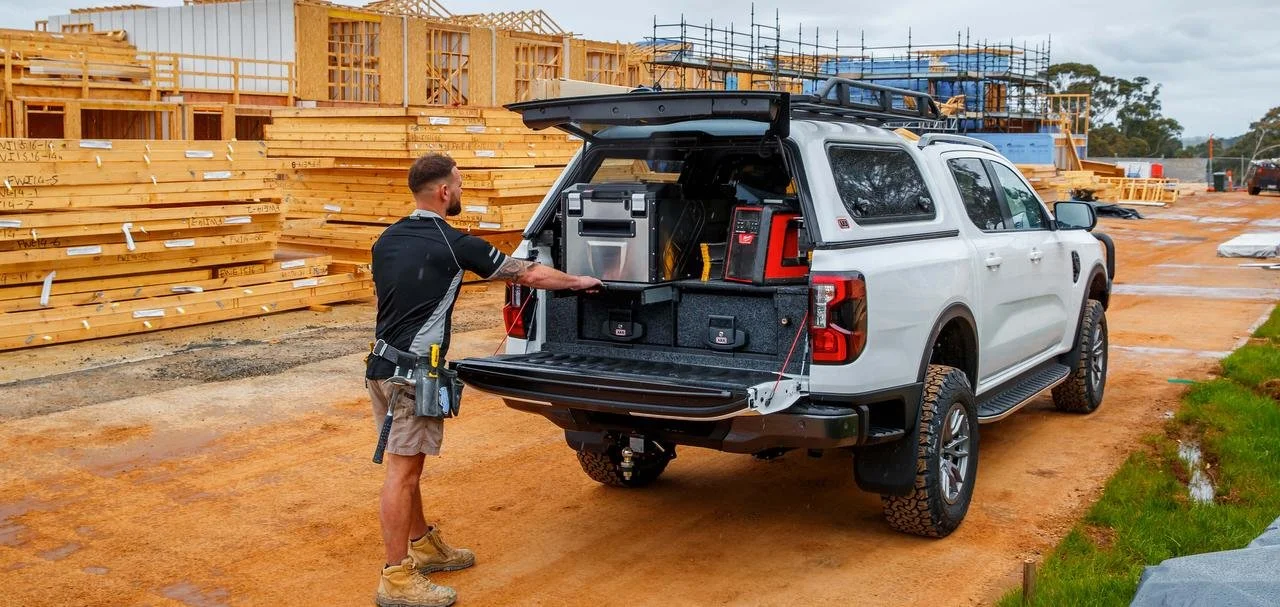
Irregular income proof pack for tradie low doc vehicle finance – Switchboard Finance
 Insights · Tradie Hub
Paid by Progress Claims or Irregular Invoices? The 2026 Tradie Proof Pack That Makes Low Doc Vehicle Approvals Cleaner
Plenty of good tradie files look messy for one reason: the money lands unevenly. One week is strong, the next is quiet, then a stage payment clears and the account spikes again. That does not automatically kill a Low Doc Loan or Low Doc Vehicle Finance application, but it does mean the proof pack has to show consistency properly. This guide sits inside the Tradie Hub and pairs with the hero explainer Tradie Finance Australia: Loans, Tools & Ute Finance Made Simple for tradies, subcontractors and small operators who get paid in lumps rather than neat wages.
Irregular income is not the real problem. Unexplained irregular income is. Lenders want to see whether the pattern is normal for the trade, whether the business has stable work coming in, and whether the repayment still fits after the quiet weeks. That means your pack should usually show clean Bank Statements, recent BAS, the right job or remittance trail, and a short explanation of why cash lands in bursts.
If you want the broader approval path first, start with Low Doc Vehicle Finance for ABN Holders: 2025 Guide. If your issue is more about what docs to gather before submission, the sharper companion read is Low Doc Vehicle Finance Documents Checklist (2025).
1) Why irregular tradie income makes clean files look risky
A lender is not just reading revenue. They are reading pattern, timing and story. A painter, sparkie, plumber, landscaper or small builder can have perfectly normal uneven inflows because invoices clear late, retention money sits out, remittances bunch up, or a progress claim lands after a quiet fortnight. The problem starts when that pattern is dumped into credit with no explanation.
This is where a lot of ABN holders get confused. They think strong annual income alone should carry the deal. In reality, low doc credit often leans heavily on recent trading behaviour, not just the big yearly number. That is why the lender ends up focusing on Trading History, the consistency shown in your account, and the overall Cash Flow Assessment.
If your account swings because of stage work or delayed remits, the goal is to make the pattern look commercial, not random. That is also why this topic naturally links with Progress Claim Cashflow for Small Builders and the more tactical 2026 post on Bank Statement “Follow-Up Triggers”.
| What the tradie sees | What the lender sees | What fixes it |
|---|---|---|
| Big invoice months, quiet weeks | Possible income instability | Short written explanation plus invoice trail |
| Progress claims or staged draws | Payment timing mismatch | Show contract/payment cycle clearly |
| Mixed supplier and client deposits | Messy account conduct | Separate business story from noise early |
A concreter can look weak on one month of bank statements, then strong on the next, even though the work pipeline never changed. The difference is often just when the progress claim hit. Once that timing is explained properly, the file reads like normal construction cashflow instead of a business losing momentum.
2) The proof pack that makes low doc vehicle approvals read cleaner
The best irregular-income file is simple. It should show that the business is active, the repayment is sensible, and the uneven inflows belong to the trade rather than being a sign of stress. That is why most clean submissions rely on a compact set of proof items instead of throwing every document available at the lender.
Start with the basic vehicle lane first: clear business details, clean asset purpose and clean income proof. That broader setup is already covered in Tradie Vehicle Finance Australia: Fast Ute & Van Loans for ABN Holders and Fast-Track Asset Finance for ABN Holders. This page narrows in on what changes when the money lands in chunks.
Lead with the business pattern, not just the account balance
A short cover note explaining “paid by progress claims,” “subcontractor remits are delayed,” or “invoice runs clear in batches” gives context to the numbers straight away. It stops credit from assuming the account is erratic for the wrong reason.
Use the right statement window
If the last four weeks were unusually light because two jobs paid late, the file may read better with the right range of recent trading rather than a random snapshot. This matters even more where the lender is testing current income rhythm and Approval Criteria rather than just tax returns.
Match deposits to work, not just volume
A lump sum means more when it can be tied back to the trade. Remittance advice, invoice references, contract summaries or a short job list often help the lender see that deposits are trade-driven and repeatable, not one-off noise.
Show the vehicle is solving a real business issue
New ute, van or replacement vehicle files read better when the application explains the upgrade clearly. Capacity, reliability, tool storage, second crew access or reducing downtime all make more sense than a vague “need a car for work” line. For the equipment and add-on side of the same corridor, the natural sibling reads are Ute Fitout Finance Quote Checklist (2026) and Ute Fitout Finance Approval Traps (2026).
A subcontract sparky paid in uneven remits can still get a clean vehicle approval when the file shows six months of trading, recent BAS, bank statements with repeated contractor receipts, and a short note explaining why the deposits come in clusters after invoice approval rather than weekly.
3) What turns “normal tradie cashflow” into a manual review
Most poor outcomes in this lane do not happen because the tradie earns too little. They happen because the proof pack leaves too much open to interpretation. Once that happens, the lender starts asking extra questions, the deal slows down, or the file gets assessed more conservatively than it needed to.
One common mistake is relying on turnover with no explanation of the cash cycle. Another is sending accounts full of transfers, gambling-looking narration, unrelated personal movements or supplier churn that makes it harder to see the business clearly. This is exactly where pages like Asset Finance Bank Statement Red Flags (2026) and Tradie Finance “Day 0” Submission Bundle (2026) become useful.
- Trap 1: quiet weeks are shown without explaining upcoming paid claims or normal remittance lag.
- Trap 2: the lender sees strong deposits but cannot tell which jobs or clients they relate to.
- Trap 3: the repayment request is pushed too hard relative to the real trough weeks, not the best weeks.
If you are also trying to size the deal properly before applying, the most relevant support article is How Much Can Tradies Borrow in 2025?. It helps frame expectations before the file turns into a rate or structure discussion.
A landscaping operator might show good total revenue but still trigger follow-ups because the lender sees two quiet weeks, several transfers, and no note explaining that three commercial maintenance invoices always clear together at month-end. The income was fine. The presentation was not.
4) The clean application sequence for tradies with uneven income
The strongest move is to package the file in order, not all at once. Start with the business story. Then match the bank pattern to that story. Then make the vehicle purpose obvious. Finally, submit a pack that already answers the follow-up questions credit would usually ask.
This matters because low doc vehicle files are often won or lost before rate is even discussed. If the lender can tell why the money is uneven, why the business still works, and why the new asset fits the operation, the file usually feels safer from the start. For the tax side of vehicle ownership and structuring, a practical cross-read is Why Smart Business Owners Are Upgrading Their Work Vehicles Now — Ahead of EOFY 2026, while the authority backdrop on work-related vehicle and business tax treatment is best read from the ATO.
| Step | What to lock first | Why it matters |
|---|---|---|
| Step 1 | Explain payment rhythm | Stops “irregular” being read as “unstable” |
| Step 2 | Choose the right proof window | Shows the business over a fair period |
| Step 3 | Match deposits to actual jobs | Makes the income look commercial and repeatable |
| Step 4 | Submit vehicle purpose clearly | Helps the lender read fit and affordability faster |
A small builder replacing an ageing ute does not need perfect wage-like income to get through. He needs a file that shows the stage-payment rhythm, enough work continuity, and a repayment level that makes sense even before the next big claim lands.
Progress claims, delayed remits and uneven invoice timing do not automatically weaken a tradie deal. What weakens it is poor packaging. A cleaner file usually shows the payment rhythm early, matches deposits to real work, and proves the repayment fits the quieter weeks as well as the strong ones.
Start with the Tradie Hub, then the hero explainer Tradie Finance Australia, the core money page Low Doc Vehicle Finance, and the sharper support reads on the Low Doc Vehicle Finance Guide, documents checklist and Tradie Finance Approval Timeline (2026) before you apply.
FAQs
Quick answers for tradies with uneven invoice timing in 2026.
Hubs first. Then the newest reads.
- Business Owners Finance Hub Cashflow facilities + SME pathways
- Tradie Hub Vehicles, tools, civil + low doc packs
- Truckie Hub Owner-driver finance + compliance packs
- Whitecoat Hub Clinics, fitouts + specialist approvals
- Tradie Service-Van Eligibility Scorecard (2026) 12 checks before you bundle shelving, racks, on-board power and tools
- Traffic Management & Site-Setup Finance (2026) What can be bundled vs what needs a pre-start cash buffer
- Ballarat & Western Victoria Tradie + Civil Finance Checklist (2026) Local proof pack for utes, minis, trailers and site-ready add-ons
- Factory-Fit vs Aftermarket Van Fitout Finance (2026) Which quote lines count, which get haircut, and which trigger a deposit
- Ute Fitout Finance Quote Checklist (2026) What to itemise so it doesn’t trigger re-quotes
- Ute Fitout Finance Approval Traps (2026) Seven traps that slow approvals (and how to avoid them)
- Performance Bonds & Bank Guarantees (2026) The approval rules civil contractors trip over
- South East Melbourne Tradie + Civil Plant Finance Checklist (2026) VIC proof pack for faster low doc approvals

 Accredited Member
Newest tradie guides
Accredited Member
Newest tradie guides
Newest in the Tradie Hub
Four fresh reads for tradies covering plant, staffing structure, access equipment, and one doc home loan strategy.
Western Sydney Tradie + Civil Plant Finance Checklist (2026)
A practical local checklist for utes, mini excavators, trailers and pre-start docs.
Subbies vs First Employee for Tradies (2026)
How staffing structure changes your wage weeks, super pressure, tools float and vehicle stack.
Scissor Lift Finance for Electricians
A focused guide on hire vs buy, deposit rules and quote prep for access equipment.
One Doc Home Loans for Tradies (2026)
When one accountant’s letter can work better than two years of tax returns for the right tradie borrower.
