
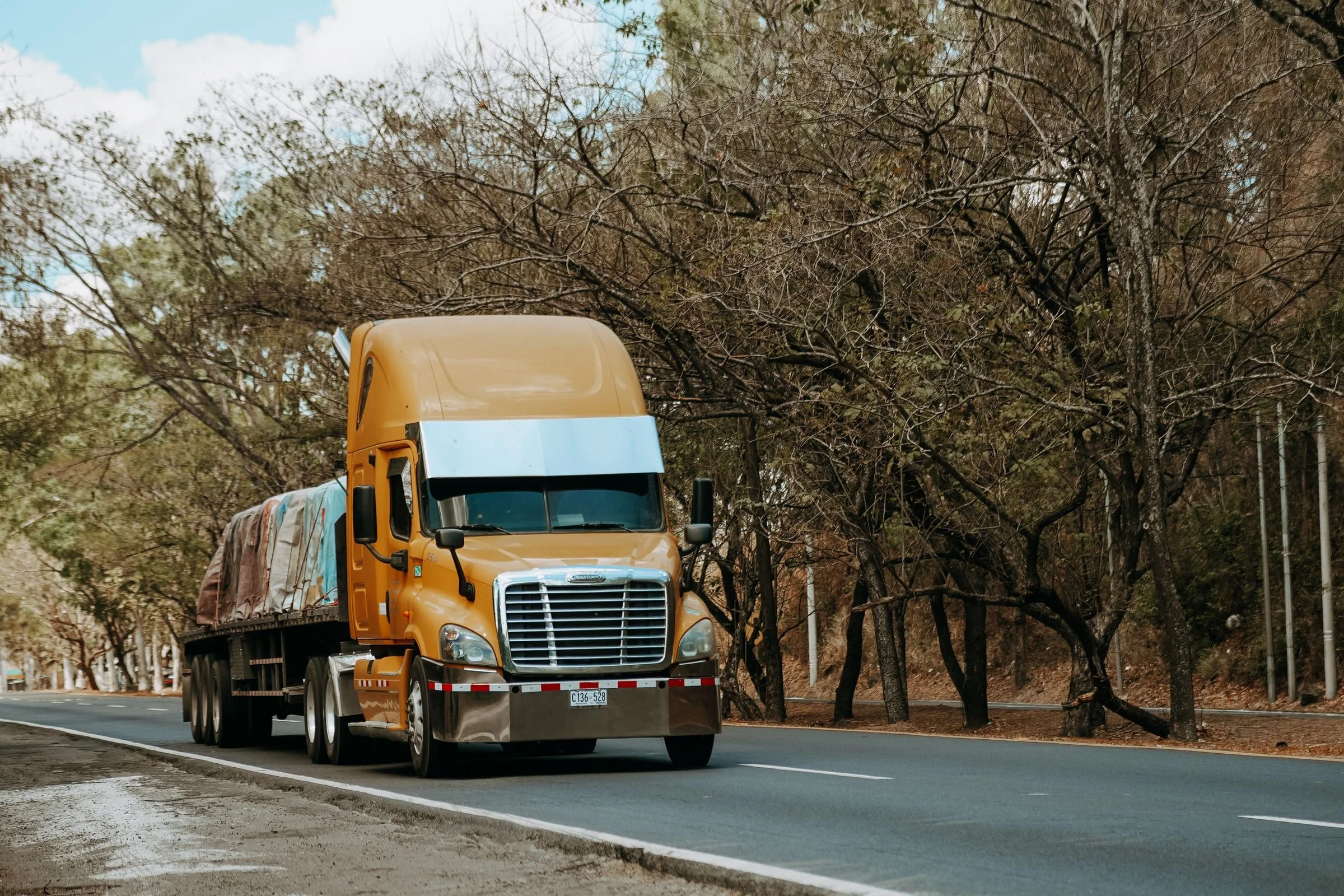
What a woodworking machine line really costs, which parts funders usually cover, and how joiners and cabinet makers get panel saws and edgebanders funded.
 Manufacturing Hub
Woodworking Machinery Finance · Joinery · Cabinet Making
A kitchen joinery shop quotes a beam saw and an edgebander, then finds the quote covers the machines but not the ducting, the power upgrade or the install crew. Here is what a full woodworking machine line costs, which parts funders usually cover and how they value the machines.
Quick Answer
Joiners and cabinet makers can usually finance panel saws, edgebanders, CNC routers and dust extraction, but a new machine line also carries freight, installation and extraction costs that funders may treat differently from the machine itself. In order: price the whole line, get equipment finance approved before you sign the supplier order, budget extraction in from the start, and match each machine's term to its payback. Machinery finance is usually secured over the machine, so resale depth shapes the advance.
Also called: woodworking equipment finance, joinery machinery finance, cabinet making machinery finance. They describe the same need: funding the machines a joinery or cabinet making shop runs on.
What does woodworking machinery finance cover for a joinery or cabinet making shop?
Woodworking machinery finance covers the machines a joinery or cabinet making shop produces with, from panel and beam saws to edgebanders, CNC routers, spindle moulders, dust extraction and spray booths. Each is usually financed as equipment, secured over the machine itself, over a term that fits how long it earns.
- Cutting. Panel saws, beam saws and sliding table saws, the first machines most kitchen and cabinet shops buy.
- Edging and shaping. Edgebanders, spindle moulders and boring machines that turn cut panels into finished carcasses and doors.
- CNC. Nesting routers and point to point machines that cut, drill and groove in one pass.
- Extraction and finishing. Ducted dust extractors, filter units and spray booths, which funders read as equipment in their own right.
The same national funders that write factory plant also write joinery machines, and they apply the same tests on age, resale and security. What changes is the mix: a joinery shop's line is usually a few mid-priced machines bought over several years rather than one large install. For the general mechanics, start with the equipment finance guide. If your shop cuts metal rather than timber, the CNC and metal fabrication finance post covers that side, and how factory finance differs by vertical sets out how funders treat CNC, food and fabrication lines.
What is the full cost of a new woodworking machine, and which parts can be financed?
The full cost of a new woodworking machine is the machine plus freight, import duty and GST if it comes from overseas, installation and commissioning, an electrical upgrade, extraction ducting, and training and software, and funders usually cover the machine and treat the rest case by case. The quote covers the machine, not the line.
Take a kitchen joinery business quoting a beam saw and an edgebander. The supplier's quote prices both machines and the freight. It does not price the three phase power upgrade the edgebander needs, the ducting run back to the extractor, or the crew who level, connect and commission the machines. Those costs land in the weeks around delivery, often when cash is tightest because the shop has also paid a deposit.
| Cost item | Usually financed? (indicative, varies by funder) | Note |
|---|---|---|
| Machine (saw, edgebander, CNC router) | Usually financed | The core of the contract and the funder's security. |
| Freight and import duty | Often financed when it sits on the supplier's invoice | Separate freight or customs bills are typically paid in cash. |
| GST on import | Sometimes funded, often paid upfront and claimed back | How it is claimed is a question for your accountant. |
| Installation and commissioning | Often financed when the supplier invoices it | A third party crew billed separately is usually paid in cash. |
| Dust extraction and ducting | Usually financed, as its own asset or inside the line | The extractor is equipment; ducting fixed through the building may be treated differently. |
| Electrical upgrade | Rarely financed as equipment | Wiring becomes part of the building, so it is typically funded from cash. |
| Training and software | Sometimes bundled when the supplier invoices it | Ongoing software licences usually sit outside the contract. |
In deals I've seen, the gap between the quote and the real line cost is where a project stalls: the funder approves the invoice amount and the shop finds the rest from working capital it had planned for timber and hardware. Ask the supplier for a tax invoice that itemises freight, installation and commissioning, because funders typically fund what appears on the supplier's invoice and little else. If the machine is imported, check how GST on the import is handled before settlement, since it can be a large cash outlay that comes back later.
How do funders value panel saws, edgebanders and CNC routers?
Funders value woodworking machines by how easily they could be resold if the contract went bad, so resale depth decides the advance: a widely used panel saw or edgebander from a mainstream range is valued closer to cost than a line built or configured for one shop.
Standard machine
- Common model with a deep secondary market
- Smaller deposit typically asked, varies by funder
- Term can usually run closer to the working life
- Used examples are easier to value
Specialised machine
- Built or configured for one shop's work
- Thin resale market and a bigger valuation discount
- Larger deposit or extra security often asked
- Term often shorter than the working life
From the underwriter's seat, whether a machine is standard or specialised is the first split on the file. A credit officer pictures the machine on a dealer's floor after a default and asks how quickly it would sell and for how much. Age and brand matter, but so does whether the machine can be unbolted and moved without a rebuild. A panel saw on a standard frame moves easily; a CNC router integrated with a loading table and a custom extraction hood does not.
Why does a woodworking machine's value fall faster than its working life?
A woodworking machine's value usually falls faster than its working life because buyers of used machines discount for wear, software age and the cost of moving and recommissioning. Machines are a depreciating asset, so the advance tracks how fast that value falls. For used machines, the post on haircuts on used factory machinery shows how the discount is set. CNC controls also date faster than saw frames, and the equipment finance guide covers matching the term to how long a machine stays useful.
How do you finance an imported machine when the supplier wants a deposit?
You usually pay the supplier's deposit on an imported machine from your own cash, because most funders pay the balance on delivery or on commissioning rather than at the time you order. Which of the two triggers applies varies by funder, and for a machine that needs a technician to commission it, the gap between the two can run to weeks.
- Get the finance approved first. An approval in hand before you sign the supplier order means the deposit is not stranded if the file stalls.
- Pay the order deposit. Keep proof of payment, because some funders will include a deposit already paid in the amount financed, typically against that proof.
- Track shipping and clearance. Freight, duty and GST on import fall due before the machine reaches the floor.
- Deliver, install and commission. The funder settles on the trigger it agreed, usually a signed delivery or commissioning certificate.
Plan the timeline backwards from the commissioning date so the deposit, the import costs and the first repayment do not all hit in the same month. The importing business equipment finance guide covers the shipping and customs side, and the factory install readiness post covers what has to be in place on the floor before a machine goes in.
Why do dust extraction and spray booth rules change the amount you finance?
Dust extraction and spray booth rules change the amount you finance because the controls are a required part of running the machines, so extraction is part of the cost rather than an extra you add after the machines arrive.
At the time of writing, WorkSafe Victoria's wood dust guidance (reviewed 17 April 2026) quotes Safe Work Australia's exposure standards of 5 mg/m³ for softwood dust and 1 mg/m³ for certain hardwoods, points to local exhaust ventilation at each dust source, and recommends on-tool extraction connected to a collector rated at least Dust Class M for portable tools. Other states set their own rules along similar lines, so check the regulator where your shop operates.
For a finance file, that means the extractor, ducting and filters belong in the line budget from the start. A shop that adds a CNC router without extending its extraction can find the existing extractor undersized, and the upgrade then has to be funded after settlement, usually from cash. Spray booths for lacquer and two pack finishes carry their own approvals and fire requirements, so price the booth and its sign-off into the same project. Your WorkSafe obligations are a question for a qualified safety adviser, not a broker.
How do joiners with lumpy builder income get approved?
Joiners with lumpy builder income usually get approved by showing income across a full cycle of jobs rather than a single month, because builder income comes in lumps: progress payments land when stages finish, and a slow builder can hold a payment for weeks.
Funders that understand joinery typically read the last six to twelve months of bank statements and BAS to see the pattern, then test the repayment against a quiet month rather than a good one. A spread of builders and some direct homeowner work reads better than one builder supplying most of the turnover.
Can a joinery shop use low doc finance when tax returns lag?
A joinery shop can often use low doc finance when tax returns lag, with the funder assessing on BAS, bank statements and an accountant's declaration. Low doc asset finance suits a shop that is busy and growing but a year behind on lodgements. A low doc file usually asks for a longer ABN history and may carry a larger deposit, indicative and varies by funder.
Set the term against each machine's payback, not just the lowest repayment. A saw that typically earns for many years can carry a longer term than a CNC router you expect to replace sooner, and splitting them onto separate contracts keeps each term honest. The Manufacturing Hub collects finance guides for production shops, and the Manufacturing loan pack lists the documents to have ready. To see where your file sits before the supplier quote is firm, check eligibility.
A woodworking machine line costs more than the machine quote: freight, duty and GST, installation, power, extraction, training and software all land around delivery. Funders usually cover the machine and treat the rest case by case, value a standard machine more generously than a specialised one, and pay on delivery or on commissioning rather than at order. Joiners with lumpy builder income get approved by showing the full income cycle and choosing a term that fits each machine's payback.
Key takeaway: Price the whole line, extraction included, and get finance approved before you sign the supplier order.Frequently Asked Questions
You finance woodworking machinery in Australia the same way most businesses fund plant: through equipment finance secured over the machine, usually over a set term that fits how long the machine earns. The amount a funder covers typically depends on the machine's resale depth and the full line cost, not just the supplier's quote. A broker can match the file to a funder that understands machinery finance for joinery and cabinet making shops.
A cabinet maker can often get low doc equipment finance, with the funder typically assessing BAS, bank statements and an accountant's declaration instead of full tax returns. Funders usually want an ABN with some trading history behind it and may ask for a larger deposit on a low doc file, indicative and varies by funder. The low doc glossary entry explains how that assessment works.
A used panel saw or edgebander can usually be financed, although funders typically advance a smaller share of the price than on a new machine and look closely at age, brand and condition. A widely sold model holds its value better than a machine configured for one shop. The post on haircuts on used factory machinery explains how that discount is set.
Whether a funder will pay the supplier's deposit on an imported CNC router depends on the funder: some will fund a deposit against a firm order, while many only pay on delivery or on commissioning, so the shop covers the deposit from its own cash. Ask the question before you sign the supplier's order. The importing business equipment finance guide covers deposit and shipping timing.
Dust extraction should be working by the time woodworking machines start producing dust: at the time of writing, WorkSafe Victoria's guidance points to local exhaust ventilation at each source of wood dust, and other states set similar duties. Plan the extraction into the install rather than adding it afterwards. The factory install readiness post covers what needs to be ready before a machine goes in.

 FBAA Accredited
