

Adelaide Tradie Finance Checklist (2026)
Adelaide tradies face unique approval nuances: WorkCover SA proof, Adelaide Hills vs metro trading patterns, local dealer networks, and freight costs from eastern states that affect equipment valuations. This checklist covers the 12 core documents for low doc approvals in SA, plus regional items that speed or slow finance for utes, tools and equipment.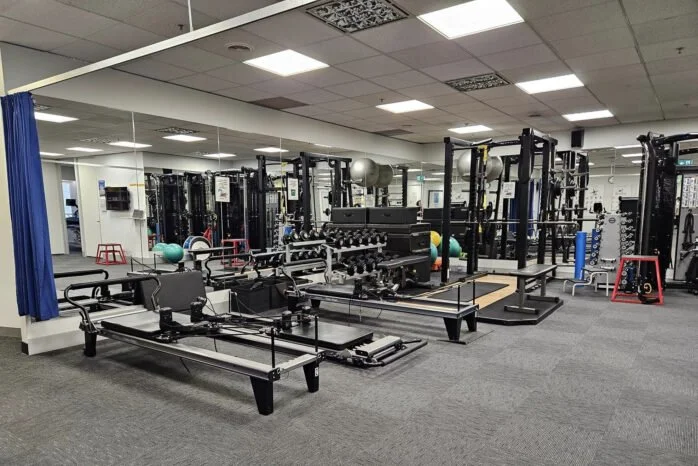
Used vs New Allied Health Equipment Finance (2026)
Used allied health equipment can save upfront costs but triggers valuation haircuts and slower approvals (5–7 days vs 48 hours for new). Age bands matter: 0–2 years approves clean, 3–5 years sees deposit increases, 6+ years faces inspection requirements. This comparison covers the 7 valuation triggers lenders watch, when used makes sense for established practices, and when new is mandatory for start-ups and high-tech devices.

Allied Health Equipment Finance Documents Checklist (2026)
Allied health equipment finance moves faster than medical (24–72 hours vs 3–5 days) but lenders want different proof: room-sharing lease clauses, portability declarations, and lower-ticket quotes. This checklist covers the 9 core documents physio, chiro and osteo practices need to speed approval for treatment tables, adjusters and portable gear.
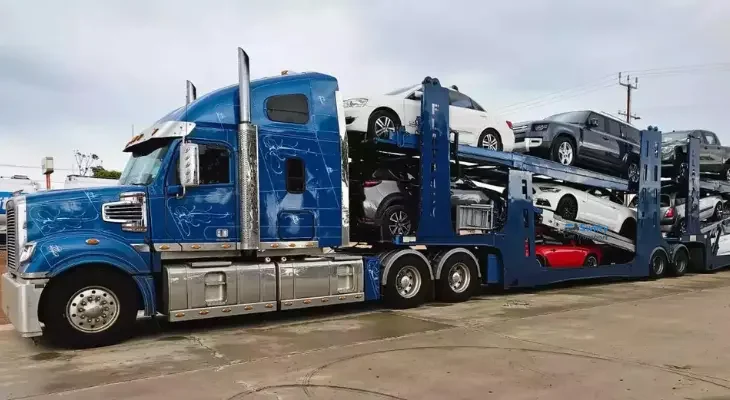
South East Melbourne Truck Finance (2026): Owner-Driver Checklist for Depot-Based Operators
If you’re an owner-driver working depot runs around South East Melbourne, the fastest approvals usually come down to local proof: consistent banking patterns, clean dockets/invoices, and valuation-ready asset details. This checklist is built for transport operators who need speed without enquiry damage.
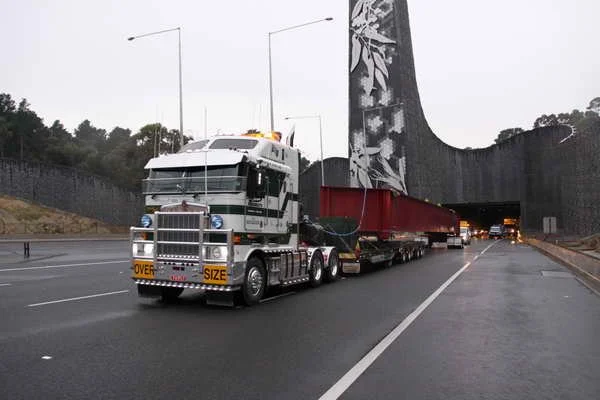
Second Truck + Balloon Due Soon (2026): The Split-Facility Growth Plan
Fleet growth gets messy when your next rig purchase collides with an existing balloon. For transport operators with property-backed strength, the clean move is usually split facilities: one asset facility for the truck, and a separate cash buffer so repayments don’t strangle cashflow during busy logistics weeks.
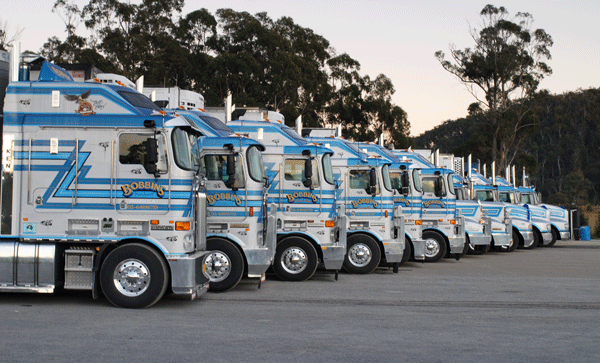
Truck Add-Ons Valuation Pack (2026):
Deposits spike when valuers can’t confidently include add-ons in the valuation. If your PTO, tail-lift, hydraulics or telematics reads like “aftermarket unknown,” the valuation gets conservative fast. This pack shows exactly what to document so upgrades are valued properly.
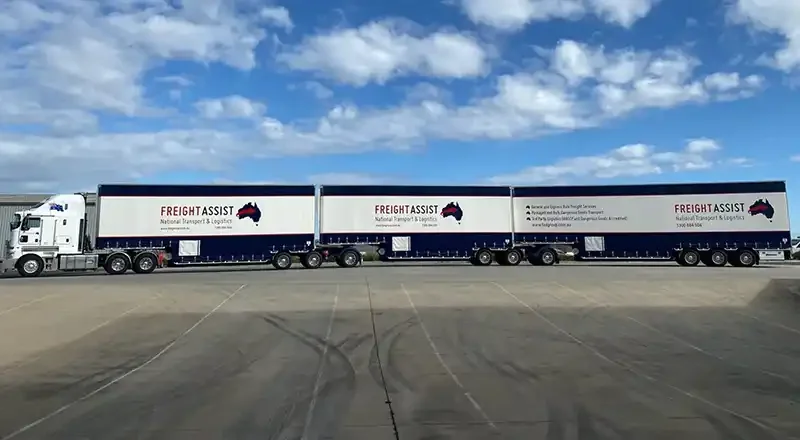
Transport Compliance Proof Pack (2026): Docs That Speed Up Truck Finance
A lot of truck finance delays aren’t “credit problems” — they’re confidence problems. If the lender can’t see how your transport business manages fatigue, maintenance and compliance, they slow the file down or haircut the deal. This proof pack is the fastest way to remove those questions on Day 0.

The BAS Due / Approval Pending Bridge (2026): Pick LOC vs WCL vs Invoice Finance in a 14-Day Window
The nastiest BAS problems happen when timing is off: BAS is due (or wages/suppliers hit), but your main approval hasn’t settled yet. This post gives a simple 14-day decision tree for choosing the right bridge facility—and how to avoid taking the wrong product that wrecks servicing for the main approval.

Property-Backed Upgrade Bundle Pre-Approval (2026)
The fastest way to get declined on a big upgrade is trying to “roll everything into one facility.” This post gives a clean pre-approval blueprint for property-backed SMEs: how to size the bundle, what to split (and why), and how to submit a single pack that gets conditional approval without enquiry damage.

The Valuation Gap Trap (2026): Why Your Used Machine Forces a Deposit
Most deposit blowouts don’t happen because you’re “high risk”—they happen because your purchase price can’t be supported by valuation comps. This guide shows the exact situations that create a valuation gap (auction premiums, grey/parallel imports, private-sale pricing, bundled soft costs) and the 9 fixes that keep deposits low before you sign anything.