
After Truck Finance Approval: The 9 Settlement Delays That Still Stop Funding in 2026
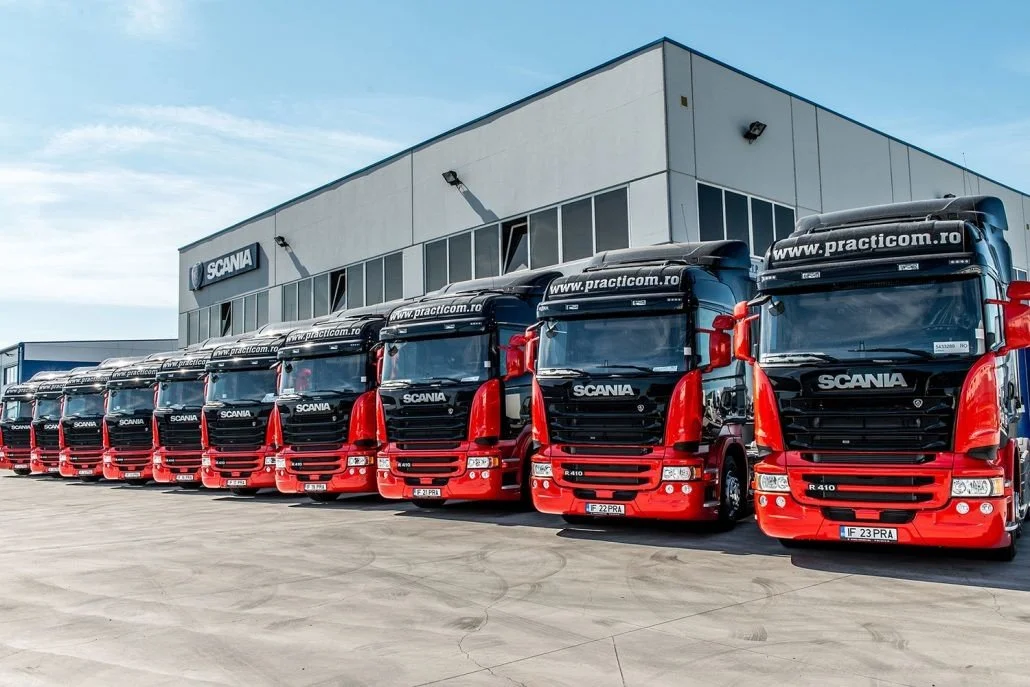
Truck finance settlement delays for owner-drivers after approval – Switchboard Finance
 Insights · Truckie Hub
After Truck Finance Approval: The 9 Settlement Delays That Still Stop Funding in 2026
A trucker can get a clear yes on a deal and still miss delivery, rego timing or contract start because the problem shifts from approval to Settlement. This page is built for owner-drivers, transport businesses and logistics operators already past the first hurdle. It sits inside the Truckie Hub, alongside the persona explainer Truck Finance Checklist 2025: What Owner-Drivers Need Before Applying, the ranking corridor pages Truck Finance Approval Timeline (Low Doc) and Truck Finance Conditional Approval (2026), plus sibling reads like Truck Finance “Day 0” Submission Bundle (2026), Transport Contract Proof Pack (2026), Transport Compliance Proof Pack (2026) and the money-page support read Fast-Track Asset Finance for ABN Holders.
“Approved” is not the same as “funded.” In truck finance, the slowdowns after approval are usually not about whether the lender likes the file. They are about whether the deal can actually settle cleanly — with the right invoice, the right insurance, the right payout figures, the right PPSR position and the right compliance evidence.
In plain English: most post-approval delays come from missing settlement documents, mismatched asset details, stale payout numbers, or last-minute changes to seller, structure or truck setup.
1) Where truck deals really stall after approval
Most owner-driver files do not blow up because credit changed its mind. They stall because funding teams need the last part of the chain to line up perfectly. The truck, seller, invoice, insurance, payout figures, bank details and settlement instructions all need to match. One broken link can push a same-week settlement into next week.
That is why approval and funding are two different stages. Approval is a credit decision. Funding is an execution process. A transport business can be fully acceptable on Approval Criteria and still wait days because the post-approval pack is incomplete.
| Stage | What lender is checking | What usually causes delay |
|---|---|---|
| Credit approval | Borrower, asset, structure, servicing | Conditions and follow-up requests |
| Docs signed | Loan documents, entity, directors | Name mismatch, missing signatories |
| Funding / settlement | Invoice, payout, insurance, seller, PPSR | Old payout figure, wrong VIN, incomplete proof |
An owner-driver can get approved on Monday, sign docs Tuesday, and still miss Friday delivery because the dealer invoice shows one chassis number while the insurance certificate and lender docs show another.
2) The 9 settlement delays that still stop truck funding
The biggest mistake transport operators make is assuming settlement is automatic once terms are accepted. It is not. Funding teams are trying to protect title, security registration, fraud controls and asset accuracy. That means they will stop the release if even one item is unclear.
These are the nine delays that keep showing up in truck files after approval. They matter for single-truck owner-drivers, fleet upgrades, rigid replacements and second-truck growth deals alike.
Dealer invoice or seller details do not match the approval
If the approved file says dealer sale and the final contract is private seller, or the invoice entity changes late, settlement often pauses while documents are rebuilt. This is especially common where a Private Sale or substituted asset appears late in the process.
VIN, body type or add-on scope changes after approval
A funding team cannot settle against a truck that is now materially different from the approved asset. A different body, trailer combo, PTO package or compliance spec can trigger a re-check. This is why pages like Truck Finance Quote Checklist (2026) and Truck Add-Ons Valuation Pack (2026) matter upstream.
Old payout figure or wrong refinance balance
Where an existing loan is being cleared, an expired Payout Figure can stop funding immediately. Even a few days can change the discharge amount, especially where direct debits, fees or arrears moved in the background. The clean companion read here is Payout Figure + Negative Equity in Truck Finance (2026).
Insurance certificate is missing or does not name the right parties
Funding often pauses until comprehensive cover is active and the lender’s interest is recorded where required. The issue is not whether insurance will be arranged “soon.” It is whether the settlement file can prove cover exists now under the right business name and correct truck details.
PPSR or title issue shows up at the last minute
A surprise encumbrance, stale discharge, or title mismatch can delay release while the lender confirms who can grant clean Security. This is the same reason PPSR Checks for Asset & Vehicle Finance (2025) stays relevant well after approval.
Compliance proof is not settlement-ready
A transport or logistics file can still get held if the lender wants final proof around rego, operator setup, body compliance or required declarations for the intended work type. For truckers moving into new contract lanes, that last compliance gap matters more than people expect.
Bank account / payee verification fails
Funding teams are increasingly strict on where money goes. If bank details do not match the seller, or the remittance path changes late, settlement can freeze while anti-fraud checks are rerun. That is separate from credit and often catches operators off guard.
Structure or signatory problem inside the borrowing entity
A missing director signature, incorrect company name, trust mismatch or late change to borrower structure can force fresh documents. On files involving a Director’s Guarantee, even one missed signatory can stop funding after “approval” is already on the screen.
Contract-start pressure causes rushed changes to the asset or structure
Transport operators under pressure to get on-road often swap dealer, truck, body or timing at the last minute. That creates avoidable funding delays because settlement has to catch up with a deal that no longer matches the credit note.
A subcontractor wins a new run and needs the truck before the first Monday dispatch. Approval lands fast, but settlement misses because the payout letter expired and the updated invoice added a tail-lift that was not on the original quote.
3) What clears settlement delays fastest
The cleanest truck settlements happen when the borrower treats funding like a second checklist, not an afterthought. Once approval lands, the job is to lock the final commercial facts: seller, invoice, truck identifiers, payout amount, insurance and payee details. That is what turns a credit-approved file into a release-ready file.
Most delays clear quickly when the operator sends one tight pack instead of replying piecemeal. For a heavy vehicle deal, that usually means final invoice, current payout statement if refinancing, proof of cover, confirmation of any truck-body or add-on inclusions, and any last compliance items already anticipated in the pack.
| Missing item | What lender needs | Best fix |
|---|---|---|
| Old payout figure | Fresh refinance balance and discharge path | Order updated payout same day |
| Invoice mismatch | Correct supplier, asset and amount | Reissue clean invoice before docs go back |
| Insurance gap | Active policy with correct asset details | Bind cover before requesting release |
| PPSR / title issue | Clean chain of ownership and security | Resolve discharge and re-check PPSR |
A depot-based operator upgrading from one rigid to two trucks usually settles faster when each supplier invoice, insurance certificate and bank detail is final before docs are returned — not after.
4) The clean post-approval pack for truckers, owner-drivers, transport & logistics businesses
If you want funding to move cleanly, think in terms of a post-approval pack. This is different from the original low doc proof pack. At this stage the lender already knows the borrower story. Now it wants a clean execution story. That is why settlement delays often disappear when the file owner stops forwarding bits and starts sending one complete set.
For most transport files, the strongest settlement pack includes the final seller invoice, refreshed payout amount where relevant, active insurance, final asset identifiers, and any work-type proof that sits between approval and release. For operators with fleet or refinance exposure, reads like Fleet Refinance & Restructure: Cleaning Up Truck Loans in 2025 and Second Truck Approval Limits (2026) help explain why timing gets tighter once more moving parts exist.
- Final invoice: seller, amount, truck details and add-ons must align.
- Fresh refinance figures: especially where old debt is being cleared on settlement day.
- Insurance and payee details: no placeholders, no “to be updated later.”
- Final work / compliance evidence: where required for the operating lane.
- Execution-ready signatures: every director, trustee or guarantor already checked.
A logistics business adding a second truck for subcontractor runs can lose three business days if the asset gets changed after docs are signed. The faster path is to freeze the truck, freeze the supplier, then settle.
5) Approved vs funded: the mindset shift that stops delay blowouts
A lot of transport operators treat approval as the finish line. It is not. It is the point where execution risk becomes the main issue. That means the discipline after approval matters just as much as the submission before it. Clean settlement is usually won by coordination, not persuasion.
The practical rule is simple: once approved, stop changing the deal unless you absolutely have to. Do not swap dealer, change body spec, delay insurance, alter borrower structure or let the Loan Agreement sit unsigned while contract pressure builds. That is how “fast approval” turns into “not funded yet.”
Frozen asset, current payout, clean invoice, active insurance
This is what lets the funding team move from approval to release without reopening the whole file.
Late truck swap, stale refinance figure, incomplete execution pack
This is where truck approvals feel “stuck” even though the credit answer itself has not changed.
Two identical owner-drivers can both get approved. The one who locks invoice, insurance and payout same day funds first. The one who keeps changing the truck is still waiting.
Truckers, owner-drivers, transport & logistics businesses usually do not get stuck after approval because the lender suddenly hates the deal. They get stuck because the settlement file is incomplete, inconsistent or changed too late.
The cleanest path is to keep the truck, seller and structure stable after approval, then move quickly on the final invoice, payout figures, insurance and compliance proof. Start with the Truckie Hub, then use Truck Finance Approval Timeline (Low Doc) and Truck Finance Conditional Approval (2026) to understand what happens before this settlement stage.
FAQs
Quick answers for truckers, owner-drivers and transport businesses dealing with the gap between approval and funding.
Hubs first. Then the newest reads.
- Business Owners Finance Hub Cashflow facilities + SME pathways
- Tradie Hub Vehicles, tools, civil + low doc packs
- Truckie Hub Owner-driver finance + compliance packs
- Whitecoat Hub Clinics, fitouts + specialist approvals
- Tradie Service-Van Eligibility Scorecard (2026) 12 checks before you bundle shelving, racks, on-board power and tools
- Traffic Management & Site-Setup Finance (2026) What can be bundled vs what needs a pre-start cash buffer
- Ballarat & Western Victoria Tradie + Civil Finance Checklist (2026) Local proof pack for utes, minis, trailers and site-ready add-ons
- Factory-Fit vs Aftermarket Van Fitout Finance (2026) Which quote lines count, which get haircut, and which trigger a deposit
- Ute Fitout Finance Quote Checklist (2026) What to itemise so it doesn’t trigger re-quotes
- Ute Fitout Finance Approval Traps (2026) Seven traps that slow approvals (and how to avoid them)
- Performance Bonds & Bank Guarantees (2026) The approval rules civil contractors trip over
- South East Melbourne Tradie + Civil Plant Finance Checklist (2026) VIC proof pack for faster low doc approvals

 Accredited Member
New posts
Accredited Member
New posts
Latest insights
Four of the newest posts across transport finance and One Doc home loans.
Adelaide Truck Finance Checklist (2026)
Owner-driver proof pack for Port Adelaide freight, Barossa wine transport and Murray Bridge ag runs.
Truck Downtime Finance (2026)
How owner-drivers can manage repairs, lost revenue and finance pressure when the truck is off the road.
Truck Finance Credit Notes Explained (2026)
Why two owner-drivers with similar numbers can still get different lender outcomes.
5 Mistakes Owner-Drivers Make When Applying for a One Doc Home Loan (2026)
The common One Doc errors that can weaken a transport operator’s home loan file before submission.
