
B-Double & Multi-Combination Truck Finance (2026)
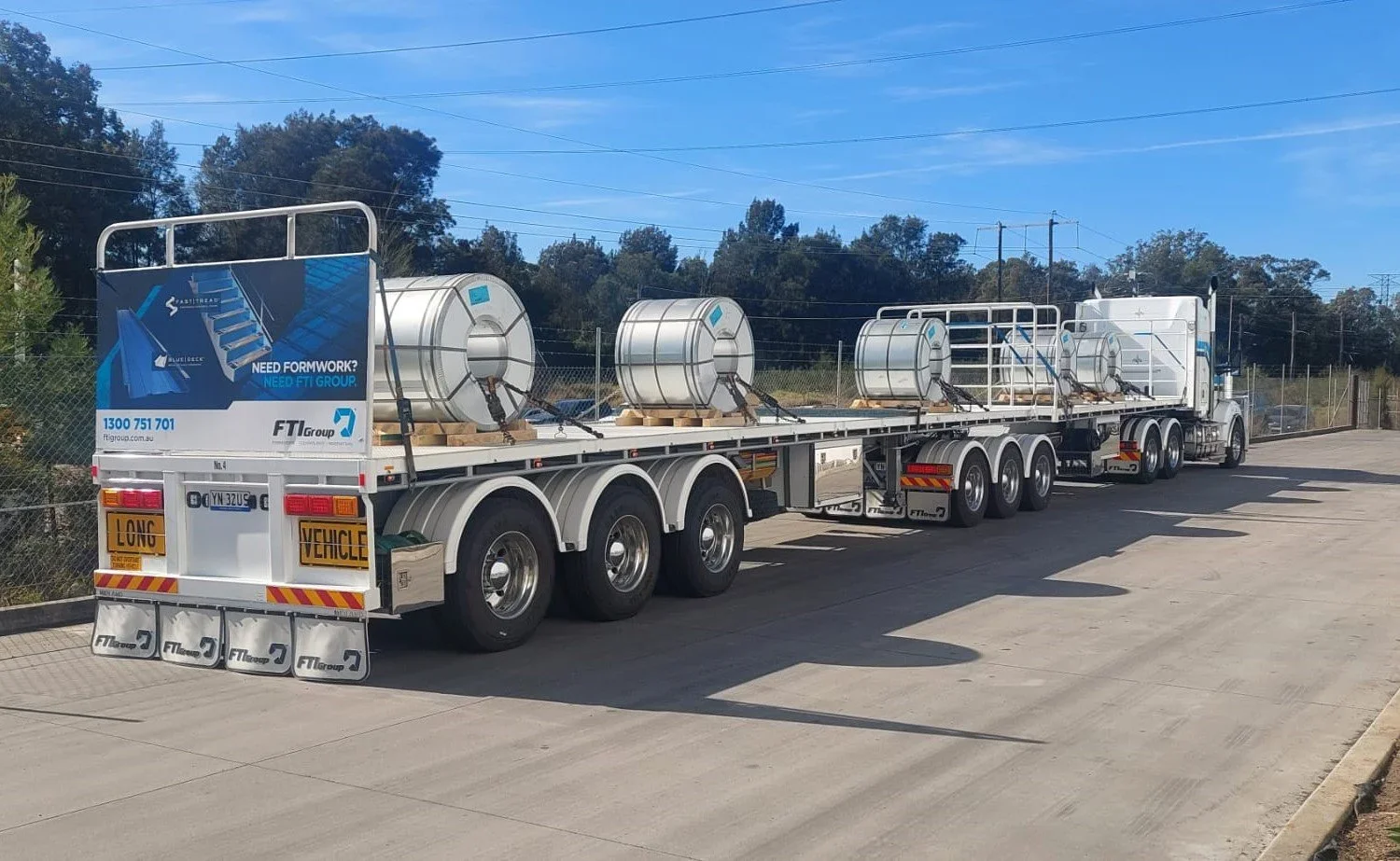
B-double truck finance for heavy combination operators – Switchboard Finance
 Insights · Truckie Hub
B-Double & Multi-Combination Truck Finance (2026): NHVAS Accreditation, Higher Mass Limits & the Approval Rules for Heavy Combination Operators
Financing a B-double or other multi-combination setup is not the same as financing a standard truck. The lender is not just reading the unit price. They are reading the compliance story, trailer structure, access path and operating profile around the whole combination. That is why this page sits naturally beside the Truckie Hub, the persona explainer What Is Fleet Finance and How Does It Work?, and commercial truck corridor reads like Prime Movers vs Rigids, GVM, GCM & Payload, Transport Compliance Proof Pack, Truck Finance Quote Checklist and Low Doc Asset Finance.
A B-double or multi-combination deal can still be straightforward, but lenders usually want a cleaner story around the full Heavy Vehicle setup than they do on a basic owner-driver file.
In plain English: when route access, accreditation, trailer pairing, axle loading and operating permits matter, the deposit, valuation and approval speed can all change before rate is even discussed. That is where quote quality, compliance proof and structure matter more than people expect.
1) Why B-double and multi-combination finance gets assessed differently
A standard truck file is often about asset age, business strength and repayment comfort. A heavy combination file adds another layer. The lender wants to know whether the quoted setup matches the actual operating task, whether the trailers and body specification are approval-friendly, and whether the operator can support the compliance burden that comes with a more complex combination.
That is why B-double and multi-combination deals tend to sit closer to specialist transport assessment than ordinary vehicle lending. If the combination is being run under a clearer compliance and operations story, it usually reads better. If the file looks like “big asset first, paperwork later”, lenders start protecting themselves with a tighter LVR, bigger deposit ask or slower manual review.
| What the lender sees | Why it matters | Typical effect on the deal |
|---|---|---|
| Prime mover only | Simpler valuation and broader lender comfort | Usually cleaner pricing and faster file flow |
| B-double combination | More moving parts around trailers, access and compliance | More scrutiny on proof pack and use case |
| Specialist multi-combination setup | Narrower resale and route-fit questions | Higher chance of manual credit and valuation overlay |
Two operators can present the same turnover and similar truck ages, but the B-double file can still get a lower leverage outcome if the trailers, route access and operating proof are not explained cleanly from day one.
2) Where NHVAS, HML and route access start affecting finance
The finance issue is not that lenders become transport regulators. The issue is that they care when the value and usability of the asset depends on a compliance pathway that has to stay intact. If the truck and trailer combination only makes economic sense under a certain operating profile, lenders want to know that the operator is not guessing on accreditation, route use or permit fit.
In practice, this means NHVAS-linked operating discipline, Higher Mass Limits logic and route suitability can shape the risk read even before final docs go out. It is the same reason files that already have a strong submission sequence, like Truck Finance “Day 0” Submission Bundle and Truck Finance Conditional Approval, usually feel cleaner to credit than rushed B-double applications with gaps in the operating story.
A file that shows the combination actually matches the work
Clean contract history, declared trailer structure, route logic and proof that the operator is not stretching into a setup they cannot realistically run all help.
A bigger combination with a weaker explanation
If the quote is large, the trailer structure is unclear and the operator is vague on access or loading assumptions, lenders often respond with deposit buffers and valuation caution.
A heavy combination operator with recurring linehaul work and a clean compliance pack usually reads stronger than a first-time applicant trying to jump too quickly from a simple prime mover file into a more specialised combination without the matching evidence.
3) The approval rules lenders quietly apply to heavy combination operators
Most lenders do not publish a public “B-double rulebook”, but the patterns are consistent. They want clearer asset detail, cleaner quote lines, stronger proof of use, and a more believable explanation of why this specific structure suits the work. That is why the corridor around Modified Trucks & Specialty Bodies and Truck Add-Ons Valuation Pack matters here too.
The more specialised the setup, the more the lender worries about resale, valuation confidence and whether non-standard extras get counted at full value. A clean structure often wins by removing ambiguity, not by chasing the most aggressive leverage outcome available on paper.
- Declared asset structure: prime mover, trailer count, body type and major add-ons need to line up across quote and story.
- Operating proof: the combination should match the work actually being performed or contracted.
- Valuation discipline: non-standard specs can trigger extra caution or a lower lend against total package cost.
- Deposit realism: specialist gear often needs a cleaner equity contribution than a standard truck file.
- Settlement readiness: docs gaps create more delay on larger or more specialised transport deals.
A file that includes a clear dealer quote, declared add-ons, trailer details and clean contract evidence often gets through faster than a “we’ll sort the rest after approval” file, even when both operators are profitable.
4) Why deposits and valuations get more sensitive on B-double and multi-combination deals
Heavy combination deals often become deposit stories before they become rate stories. If the financier or valuer sees any mismatch between quoted cost, practical resale value and actual operating fit, the file can move from “straight asset deal” to “manual credit plus valuation caution” quickly. That is especially true when the combination includes specialty trailer pairings, body modifications or cost items that are not universally valued at face value.
This is where comparison pages like Used vs New Truck Finance and deposit-risk pages like Truck Valuation Disputes matter. The cleanest operator mindset is simple: treat the quote as a valuation document, not just a price document.
| Risk point | Why lenders care | Likely outcome |
|---|---|---|
| Specialist trailer or body setup | Narrower resale market | Higher chance of haircut or extra equity ask |
| Unclear quote line items | Harder to separate fundable asset from soft costs | Re-quotes, delays or reduced lend |
| Operating use not clearly evidenced | Harder to justify full structure | Manual review and more conservative leverage |
An operator may think “the whole combo costs $420k, so the lender should fund off that total”, but if some items sit outside clean asset value or are poorly documented, the effective lend can be assessed off a lower figure.
5) What a cleaner B-double proof pack looks like before you apply
The best B-double and multi-combination files feel boring in a good way. They show exactly what is being bought, how it will be used, what operating lane it suits and why the structure is realistic for the business. The more you remove guesswork, the more likely the file flows like a transport deal rather than a specialist exception.
That is why operators should build off pages like Transport Contract Proof Pack and Asset Finance Conditional Approval Explained, while also checking title and asset history through a PPSR Check before they commit to a used combination or transferred trailer package.
Quote clarity + operating clarity + compliance clarity
Think dealer quote detail, trailer/body breakdown, contract or run evidence, declared use case and enough background for the lender to understand why this setup belongs in the business.
Big asset ask + vague explanation
That is where follow-ups stack up, valuation questions widen and settlement timing starts blowing out between “approved” and “funded”.
A heavy combination file is often won before submission. If the operator has the quote, structure, proof of runs and declared setup ready early, the approval path usually looks cleaner than a larger file with better revenue but weaker preparation.
B-double and multi-combination finance is not just a “bigger truck loan”. The approval story usually turns on route fit, quote quality, trailer structure, valuation confidence and whether the operator can show a clean compliance and work profile from day one.
Truckers, owner-drivers, transport & logistics businesses usually get the clearest path by starting with the Truckie Hub, then reading What Is Fleet Finance and How Does It Work? and Truck Finance Quote Checklist before lodging a specialised combination deal.
FAQs
Quick answers for Australian transport operators looking at B-double or multi-combination truck finance.
Hubs first. Then the newest reads.
- Business Owners Finance Hub Cashflow facilities + SME pathways
- Tradie Hub Vehicles, tools, civil + low doc packs
- Truckie Hub Owner-driver finance + compliance packs
- Whitecoat Hub Clinics, fitouts + specialist approvals
- Tradie Service-Van Eligibility Scorecard (2026) 12 checks before you bundle shelving, racks, on-board power and tools
- Traffic Management & Site-Setup Finance (2026) What can be bundled vs what needs a pre-start cash buffer
- Ballarat & Western Victoria Tradie + Civil Finance Checklist (2026) Local proof pack for utes, minis, trailers and site-ready add-ons
- Factory-Fit vs Aftermarket Van Fitout Finance (2026) Which quote lines count, which get haircut, and which trigger a deposit
- Ute Fitout Finance Quote Checklist (2026) What to itemise so it doesn’t trigger re-quotes
- Ute Fitout Finance Approval Traps (2026) Seven traps that slow approvals (and how to avoid them)
- Performance Bonds & Bank Guarantees (2026) The approval rules civil contractors trip over
- South East Melbourne Tradie + Civil Plant Finance Checklist (2026) VIC proof pack for faster low doc approvals

 Accredited Member
New posts
Accredited Member
New posts
Latest insights
Four of the newest posts across transport finance and One Doc home loans.
Adelaide Truck Finance Checklist (2026)
Owner-driver proof pack for Port Adelaide freight, Barossa wine transport and Murray Bridge ag runs.
Truck Downtime Finance (2026)
How owner-drivers can manage repairs, lost revenue and finance pressure when the truck is off the road.
Truck Finance Credit Notes Explained (2026)
Why two owner-drivers with similar numbers can still get different lender outcomes.
5 Mistakes Owner-Drivers Make When Applying for a One Doc Home Loan (2026)
The common One Doc errors that can weaken a transport operator’s home loan file before submission.
