
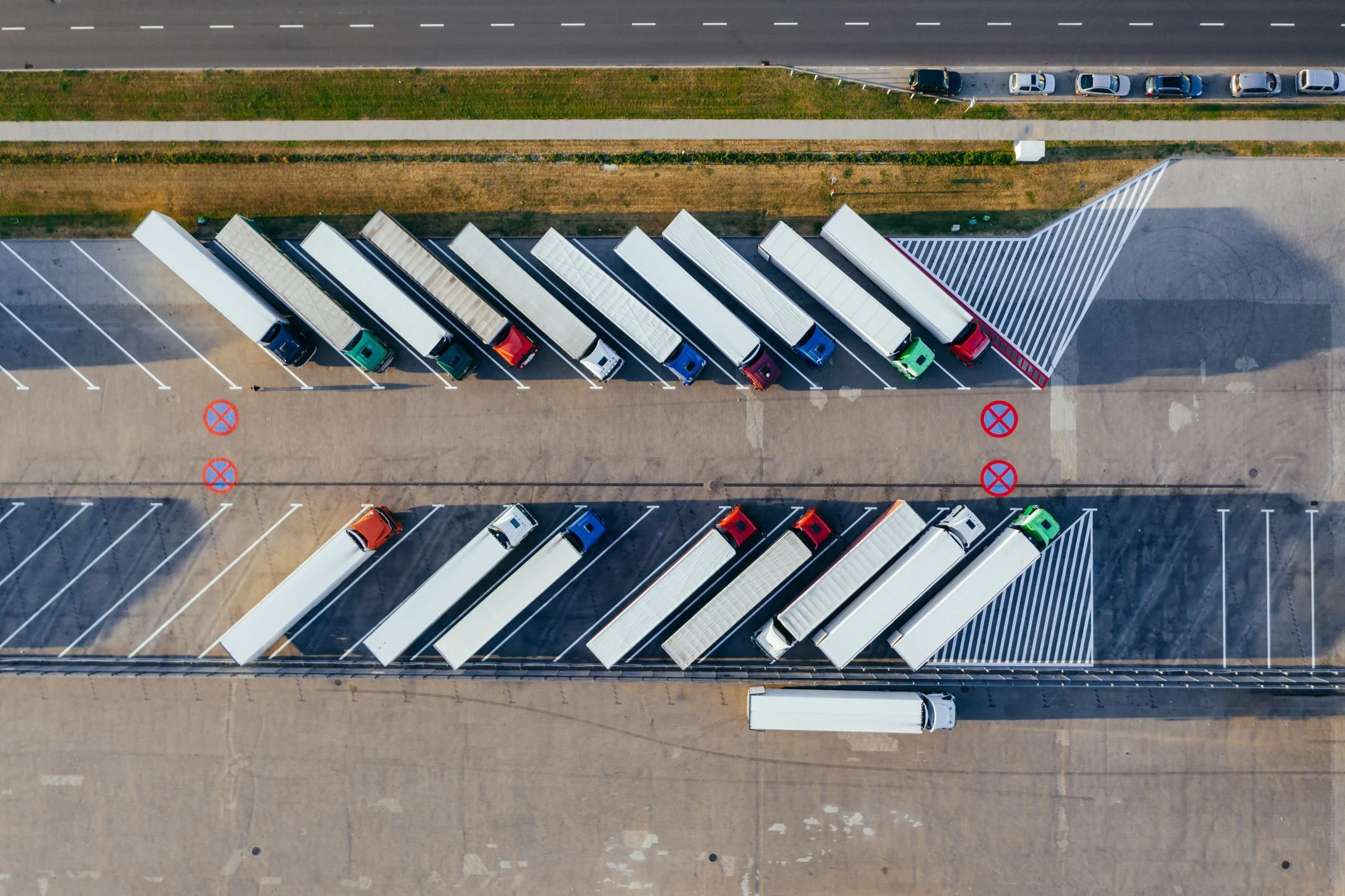
Financing forklifts, racking, cold rooms and vans for a warehouse in Craigieburn, Mickleham or Donnybrook: what to finance first and how fixtures work.
 Business Owners Hub
Equipment Finance · Craigieburn and Mickleham · Warehouse Fitout
A warehouse on the Craigieburn, Mickleham or Donnybrook estates usually needs a forklift, racking, a cold room and a van within a few months, and the order you finance them in decides how easily each one gets approved.
Quick Answer
Businesses setting up in Craigieburn, Mickleham and Donnybrook usually finance forklifts, racking, cold rooms and vans as separate assets in a planned order, because funders treat movable equipment very differently from items fixed to a leased building. Start with the assets that earn, structure each one through equipment and asset finance, and leave fixtures until the landlord paperwork is sorted. If the business is new, a low doc asset finance path may fit.
Also called: plant and machinery finance, asset finance, equipment loan. They are the same family of finance; "plant and machinery" is simply the phrase most local searchers use.
How does equipment finance work for businesses in Craigieburn, Mickleham and Donnybrook?
Equipment finance works the same way in Craigieburn, Mickleham and Donnybrook as anywhere else in Australia: a funder pays for the asset, you repay it over a set term, and the funder's interest is registered on the national PPSR. There is no local version of the product. The banks, non-bank lenders and specialist funders that write equipment and asset finance in the outer north are the same national names that lend in Brisbane or Perth.
What is different is who is setting up. The employment estates around Craigieburn, Mickleham and Donnybrook mostly fill with logistics and freight businesses, food distributors, cold storage operators, trade suppliers and light manufacturers. Almost all of them are fitting out a warehouse or depot rather than buying one machine, and that changes how the finance should be planned. A file built around a mix of plant and equipment reads differently to a funder than a single, easy asset.
If your business is a factory rather than a warehouse, the northern Melbourne manufacturing equipment finance insight covers production machinery across the region. If you are a tradie or civil contractor buying plant, the northern Melbourne tradie checklist is the better starting point. The equipment finance guide explains the structures themselves.
Which equipment should a new warehouse or depot finance first?
A new warehouse or depot should finance the assets that earn first: forklifts, order pickers and delivery vehicles, because they move stock from the first day and funders treat them as strong, resaleable security. Pallet racking and cold room panels come next, once the lease position is clear. Office furniture, IT and fitout usually come last, because they are the weakest security and the easiest to pay from cash flow.
In practice, the order matters because every approval is a snapshot. A forklift approved in month one is a clean file. The same forklift requested after the business has already committed to racking, a cold room and a van is assessed against all of those repayments, and the funder has less room to say yes. Getting the earning assets approved early keeps the strongest security on the cleanest file.
Some businesses ask for one larger facility to cover the whole fitout. That can work, but it is usually assessed on the weakest item in the bundle. Separate, staged approvals, indicative and varies by funder, often get the movable assets through faster and leave the fixture questions to be solved on their own timeline. Our machinery finance glossary entry explains how funders group asset types.
| Asset | How funders usually treat it (indicative, varies by funder) | Usual structure | What to have ready |
|---|---|---|---|
| Forklift | Typically strong security with a deep resale market | Chattel mortgage or lease over the unit | Supplier quote, serial number, operator licence plan |
| Order picker | Usually treated like a forklift, with a slightly thinner resale market | Chattel mortgage or lease, often alongside the forklift | Supplier quote, licence class for operators |
| Delivery van or light truck | Generally strong security, assessed like any business vehicle | Chattel mortgage, often with a balloon | Dealer invoice, registration details, insurance |
| Pallet racking | Often a lower advance, because it may be fixed to the building | Equipment finance with landlord consent, or a business loan | Lease, landlord waiver or consent, installer quote |
| Cold room panels and refrigeration | Refrigeration units read better than panels built into the shell | Split: plant on equipment finance, building works elsewhere | Itemised quote separating plant from building works |
| Mezzanine | Usually treated as a building improvement rather than equipment | Business loan or cash, rarely equipment finance | Permit position, landlord approval, builder quote |
| Office and IT fitout | Weak resale; often small amounts bundled or paid in cash | Short term lease, bundle, or cash flow | Itemised invoice, total kept modest |
What do funders and WorkSafe expect when you finance a forklift?
Funders expect a forklift to be a strong, recoverable asset, and WorkSafe expects every operator to hold the right high risk work licence before the machine goes to work. Those are two separate checks, and the second one is yours to manage. A funder will rarely ask to see a licence, but a forklift sitting idle because nobody can legally drive it does nothing for your cash flow.
At the time of writing, WorkSafe Victoria's high risk work licence page lists an LF class for forklifts and an LO class for order picking forklifts, and a licence is valid for five years. Plan the training and assessment so licensed operators are in place when the forklift is delivered, not weeks after.
On the finance side, a forklift is easy, racking is not. Forklifts have a deep secondary market, standard serial numbers and a clear value, so they tend to sit comfortably on equipment finance. Questions about whether to finance the forklift alone or the whole materials handling setup, and how new compares with used, are covered in the forklift and materials handling comparison.
Can you finance racking, cold rooms and other items fixed to a leased building?
You can often finance racking, cold rooms and other fixed items on a leased building, but usually at a lower advance or with extra paperwork, because once equipment is bolted into a building it may become part of the landlord's property. That is the line every funder draws in a warehouse fitout: movable equipment on one side, items fixed to the building on the other. A movable asset can be collected if the loan goes wrong. A fixed one may not be recoverable without the landlord's agreement.
Movable
- Forklifts, order pickers and pallet jacks
- Vans, light trucks and trailers
- Free standing refrigeration units
- Funders can recover the asset, so the advance is usually higher
Fixed to the building
- Racking anchored to the slab
- Cold room panels built into the shell
- Mezzanines and hard wired fitout
- Recovery depends on the landlord, so the advance is usually lower
The usual fix is a landlord waiver or consent, a letter in which the landlord agrees the funder can enter and remove the financed equipment. Some landlords on the newer estates sign these readily; others want their own solicitor to review it, which adds time. Where a landlord will not sign, the realistic options are a lower advance, more deposit, or funding the fixed items through a business loan instead of equipment finance. The factory install readiness insight explains how to raise landlord consent before the installer is booked.
How do funders read a new business or a new site on a growth estate?
Funders read a new site and a new business very differently: an established business relocating to Mickleham or Donnybrook is assessed on its existing trading history, while a start-up on the same estate is assessed mostly on the asset, the owners and any deposit. The address is new in both cases, but only one of them has a track record.
For a relocation, the move itself can raise questions. A funder may want to see that customers are following you north, that the new lease is affordable against current revenue, and that the fitout budget is realistic. A short explanation of why the business is moving, with the new lease attached, usually answers most of those questions before they are asked.
For a newer business, the age of the ABN and GST registration matter, along with the owners' credit and any property behind them. Low doc asset finance uses BAS and bank statements in place of full financials, typically with a deposit or a smaller first approval. If you want to know where your file sits before talking to a supplier, you can check eligibility first.
Can Hume City Council grants help with equipment costs?
Hume City Council grants can help some businesses with equipment and fitout costs, but they are competitive, paid on the council's timing, and should not be relied on to settle a purchase. Craigieburn and Mickleham sit in the City of Hume, as does part of Donnybrook; the rest of Donnybrook falls in the City of Whittlesea, so check which council your site is in before planning around a Hume program.
At the time of writing, the Hume Business Grants page describes a Small Business Grant of up to $20,000 plus GST for eligible businesses that have traded for two years, or one year if home based, with attendance at a council workshop required. The program draws on a $150,000 pool and closes once it is spent. Rounds, amounts and eligibility change, so check the council page before you plan around it.
The practical rule is that the grant comes after the asset. Finance the forklift or cold room on its own merits, then treat any grant as a later top-up that reduces the balance or funds the next item. How a council grant and the financed equipment are treated for tax is a question for your accountant.
How do you stage equipment purchases as you add sites?
You stage equipment purchases across sites by treating each new approval as a fresh assessment that includes every commitment already in place, because each approval reads the last one. A second depot in Donnybrook is assessed on the repayments for the first fitout in Craigieburn, not in isolation.
- Finance the earning assets for the first site. Forklifts, order pickers and vans, each on its own contract.
- Let the site trade. Give the first fitout time to show revenue in the bank statements before the next request.
- Keep an asset register. Record what is financed, with whom and where it sits, so every PPSR registration is accounted for.
- Request the next site's equipment. Expect the funder to assess it against every contract already running.
In practice, that means two things. First, serviceability has to stretch across every contract, so space new requests out until the earlier sites are producing revenue. Second, each financed asset carries its own registration on the PPSR, so keep a register of what is financed, with whom and where it sits. Moving a financed forklift between sites is normally fine; selling it without the funder's release is not.
Some businesses stay with one funder as they grow, which can make the next approval quicker. Others spread across several to keep limits open. Whether to bundle the next site's equipment or split it into separate contracts is covered in the Geelong warehouse upgrade insight, and the equipment finance guide sets out the structures for each stage.
A warehouse fitout on the Craigieburn, Mickleham and Donnybrook estates is several finance decisions, not one. Finance the earning assets first, keep fixed items separate until the landlord paperwork is in place, plan operator licences alongside the forklift order, and treat any council grant as a bonus rather than part of the deposit. As you add sites, remember that each new approval is assessed against every contract already running.
Key takeaway: finance the forklifts and vans first, and settle the landlord waiver before you ask anyone to fund racking or a cold room.Frequently Asked Questions
Asset equipment finance in Craigieburn comes from the same national banks, non-bank lenders and specialist funders that lend across Australia, reached directly or through a broker. There is no separate local product, so the choice comes down to which funder suits the asset and your file. A broker can compare chattel mortgage and lease options across several funders at once.
Plant and machinery for a Mickleham warehouse can usually be financed, with forklifts, order pickers and vans typically the easiest items to approve. Racking and cold rooms fixed to a leased building often need a landlord waiver or a lower advance. The plant and equipment glossary entry explains how funders group these assets.
Equipment finance is often available for a new business in Donnybrook, although funders lean more on the asset, the owners and any deposit when trading history is short. A relocating business with an existing track record is usually assessed more easily than a start-up. Low doc options may suit a business that cannot yet produce full financials.
Warehouse racking on a leased building can often be financed, but because anchored racking may become part of the landlord's property, funders usually want a landlord waiver or offer a lower advance. Without the waiver, a business loan or extra deposit is the common alternative. The factory install readiness insight covers raising landlord consent early.
Hume City Council does offer business grants that eligible local businesses may be able to put toward equipment, though rounds are competitive and conditions change, so check the council's current page. Grants are paid on the council's timing, so finance the asset on its own merits and treat any grant as a later top-up. More support options for business owners are on the Business Owners Hub.

 FBAA Accredited
