
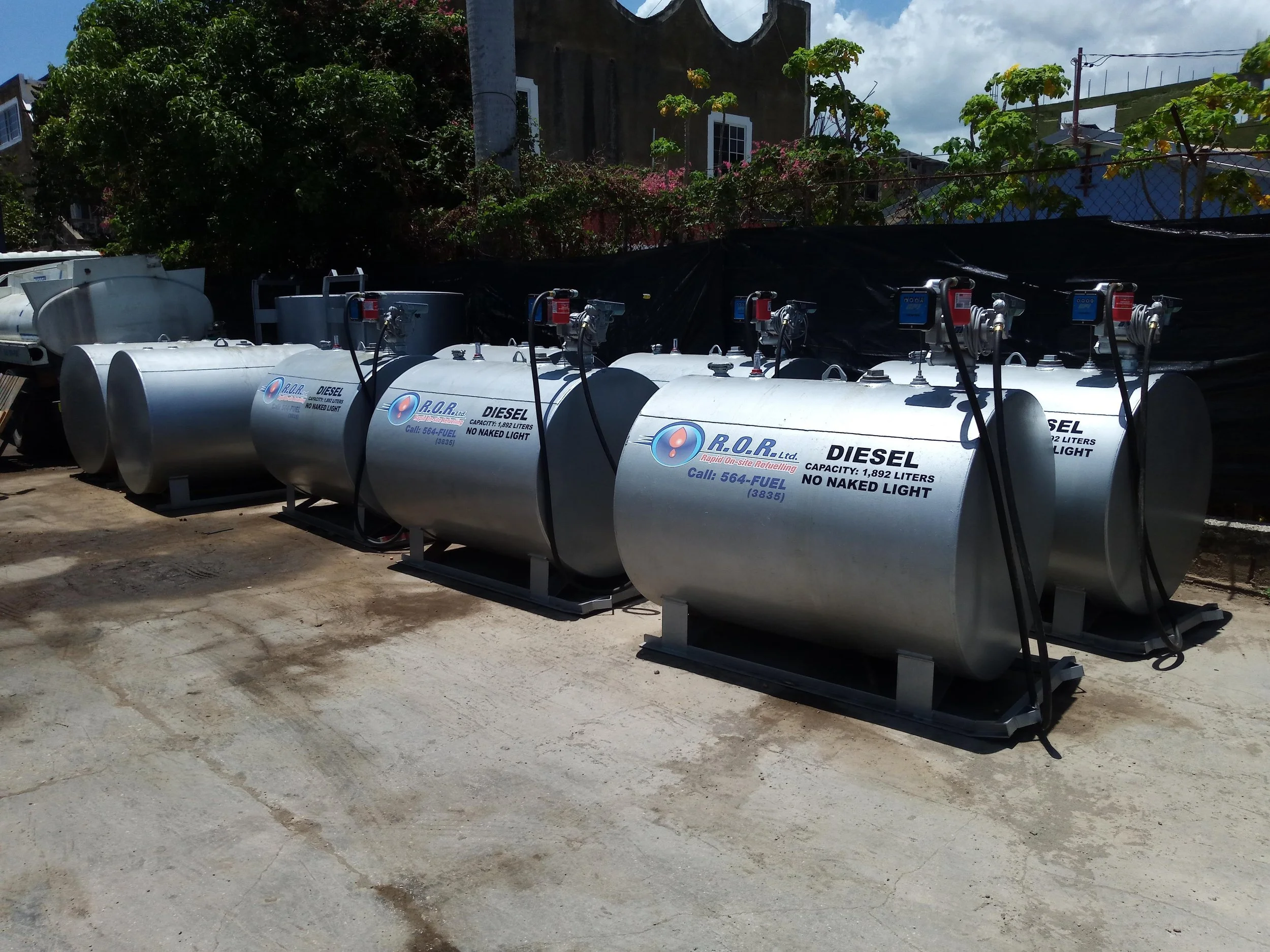
On-Site Diesel Tanks, Pumps & Yard Fuel Setups (2026)
On-site diesel setups can cut downtime for truckers, owner-drivers and logistics fleets — but approvals get messy when “asset” and “site works” are blended into one blurry quote. This guide shows what’s usually financeable vs what needs to be paid separately, and how to present it cleanly.
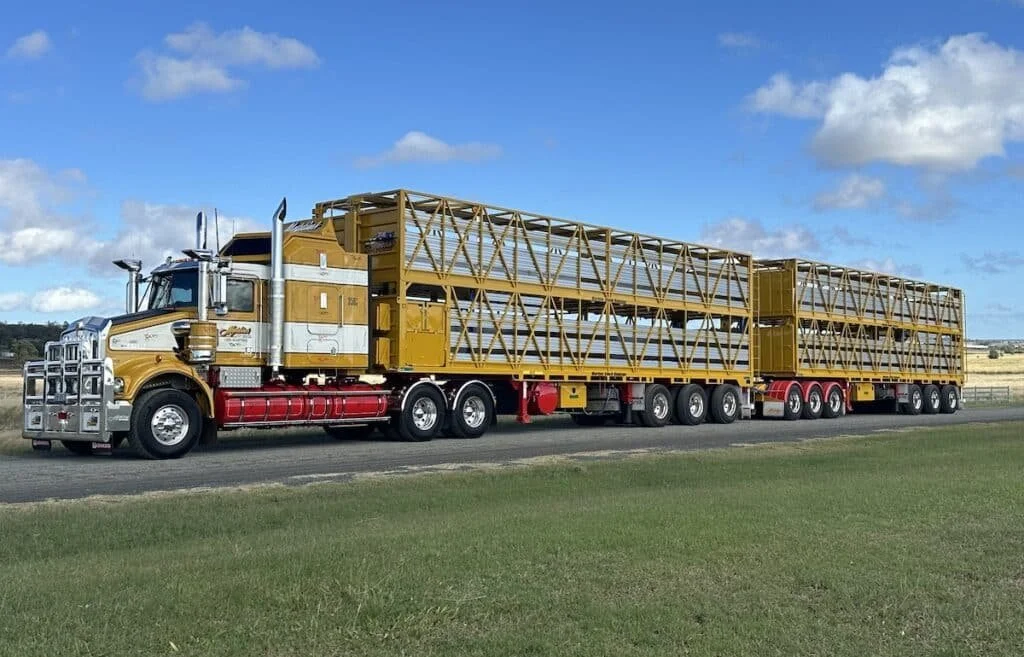
Livestock Transport Finance (2026)
Livestock operators often have stronger real trading than their file shows on paper. This guide breaks down how cattle and sheep run contracts, wash-down compliance and seasonal income proof can be presented more cleanly for a faster, clearer transport finance assessment.

The Landlord Incentive Gap (2026): How to Cover Bond, Fitout Deposits & First Stock
A rent-free period sounds helpful, but it usually does not solve the first cash squeeze. This guide shows where the landlord incentive gap actually appears, why bond, fitout deposits and first stock hit before incentives really help, and how to structure the gap cleanly instead of treating it like one big blurry cost.
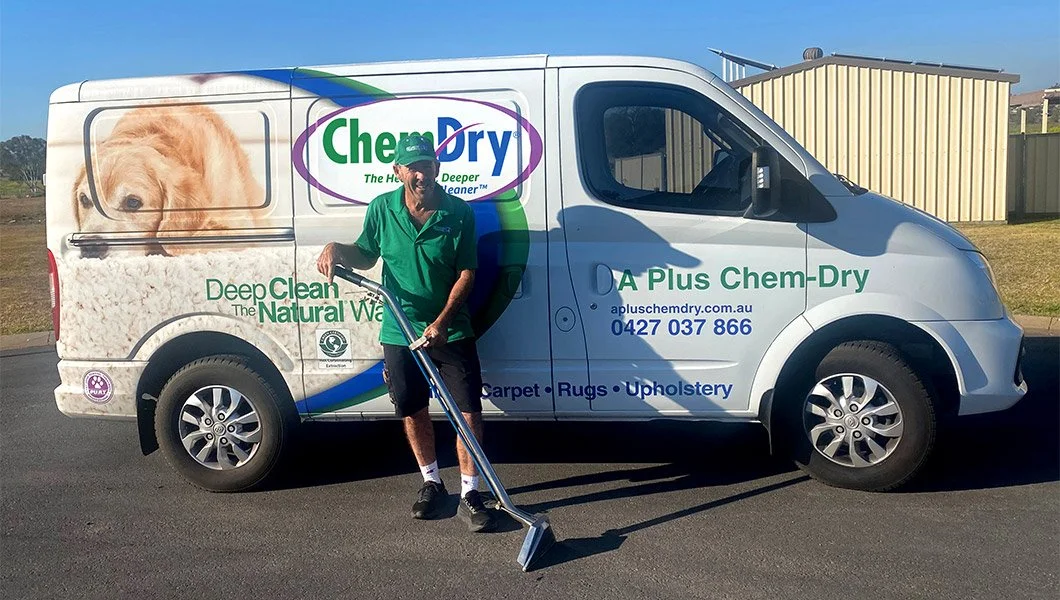
Case Study (Melbourne Service SME) (2026): How a 3-Van Cleaning Business Replaced Its Fleet
This Melbourne service-business case study shows how a cleaning operator with three vans replaced its fleet, added a fourth van and built a wage buffer without turning the process into a messy credit scramble. The key was not “more finance” — it was sequencing the fleet move and cashflow support properly so the file stayed clean before formal lender pressure hit.
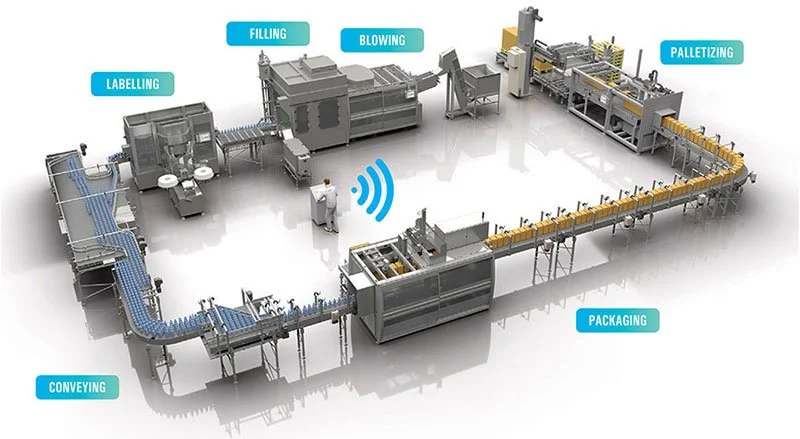
Packaging Line & Labelling Equipment Finance (2026)
Packaging and labelling lines are rarely assessed like a simple single-machine deal. This guide shows food and consumer goods manufacturers the 14-item document pack lenders usually want, how the first 7 days of approval typically move, and where bundled conveyors, imported components and soft costs start creating delay or deposit friction.

SME Service-Van Replacement Window (2026): The 90-Day Upgrade Plan
If your van upgrade only starts when breakdowns are already hurting jobs, the deal is usually messier than it needs to be. This guide shows SMEs how to use a 90-day replacement window so rego, repair spikes and downtime do not start shrinking margin or making the approval look weaker than it should.

What Is LVR in Asset Finance? (2026): How Lenders Calculate Loan-to-Value Ratios
LVR is one of the first filters lenders use in asset finance, but most business owners only hear about it after a deposit issue appears. This guide explains what LVR actually means, how it is calculated across vehicles, equipment and plant, and why the same asset can create three different deposit outcomes before rate is even discussed.

The Harvest Window Application Plan (2026)
For mixed-income ag contractors, timing the application can matter almost as much as the asset itself. If the lender reviews three months of statements in the off-season, the same ute, light truck or trailer bundle can look weaker than it does during harvest. This guide breaks down when to apply, what statement window lenders are really reading, and how to present mixed farm + cartage income cleanly.

Geelong & Bellarine Café + Hospitality Finance Checklist (2026)
Geelong and Bellarine hospitality venues do not all trade the same. Waterfront and tourism-season venues often show sharper seasonal swings, while industrial-strip cafés can look flatter but tighter on margin. This local checklist breaks down the proof pack lenders want, the cashflow signals they read first, and the 9 items that help keep a low doc hospitality finance file cleaner from day one.

Melbourne NDIS Provider Vehicle Finance Checklist (2026)
Melbourne NDIS providers often need a clean vehicle finance pack before they look at rates. This guide covers the 9 proof items lenders usually want for people movers, wheelchair vans and service vehicles, plus the statement, turnover and quote mistakes that can slow a low doc approval.