
Wet Hire Rate Sheet vs Dry Hire Dockets: Which Proof Actually Lifts Civil Plant Limits in 2026?
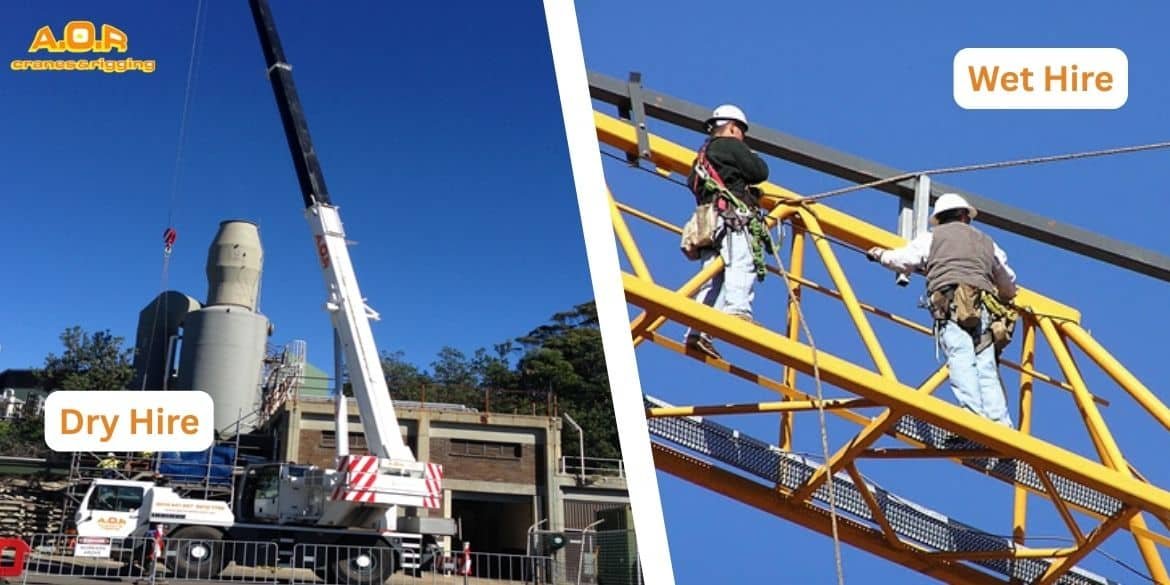
Wet hire vs dry hire proof pack for civil plant finance – Switchboard Finance
 Insights · Tradie Hub
Wet Hire Rate Sheet vs Dry Hire Dockets: Which Proof Actually Lifts Civil Plant Limits in 2026?
Civil plant limits usually do not get capped because the machine is wrong. They get capped because the lender cannot size the income properly. If you run wet hire, dry hire, or a mix of both, this guide shows which proof actually helps a lender lift limits, which proof only creates noise, and how to package the file so it reads cleanly alongside the broader Tradie Hub, the hero explainer Tradie Finance Australia: Loans, Tools & Ute Finance Made Simple, and the core money page Low Doc Asset Finance.
Wet hire files usually lift limits fastest when the lender can see rate confirmations, recent paid invoices, matched bank credits and a simple explanation of what part of the revenue is operator-inclusive. Dry hire files usually read best when dockets, hire agreements and repeat-customer patterns make utilisation obvious. Mixed files are where limits shrink, because credit often cannot tell which income is stable, what is margin-rich, and what is just one-off project noise.
This page sits closest to Wet Hire vs Dry Hire for Civil Plant (2026), Civil Contractor Funding Stack (2026), Civil Mobilisation Costs Checklist (2026) and the winner-seed checklist Melbourne Civil Plant Finance Checklist (2026).
1) What actually lifts limits in civil plant files
Credit is trying to answer one practical question: can this business support the proposed repayment without guessing? In a civil file, that answer usually comes from proof quality, not from a long story. A contractor who can show clean income pattern evidence will usually get a better read than a contractor with higher topline numbers but messy submissions.
Wet hire usually gives stronger context because the rate already includes operator, plant and often a clearer project purpose. Dry hire can still be strong, but only when the dockets and billing pattern show repeat utilisation rather than random asset movement. When the file is packaged under a clean Low Doc path, the lender is often reading proof quality more heavily than polished commentary.
That is why civil operators who are buying Excavator Finance, rollers, water carts or attachment-heavy plant need to lead with the cleanest proof first. The strongest supporting commercial read usually comes from documents that show consistency, not from documents that only prove one busy month.
| Proof type | Why lenders like it | What weakens it |
|---|---|---|
| Wet hire rate sheets + paid invoices | Shows charge-out logic, commercial use and margin context | Old rate sheets, no evidence invoices were actually paid |
| Dry hire dockets + repeat customer billing | Shows utilisation and asset demand over time | Dockets with no link to invoices or bank credits |
| Mixed proof pack | Can show broader revenue base if separated cleanly | Wet and dry income blended so credit cannot size either one properly |
A civil subbie with a strong wet hire book can still get capped if he uploads six months of invoices with no rate summary and no simple split between operator-inclusive work and straight dry hire. Once the pack is separated properly, the same numbers often look more stable and more financeable.
2) Wet hire proof usually wins when the rate logic is obvious
Wet hire tends to help more when the lender can see exactly what the market is paying for the machine-plus-operator combination. A clean rate sheet, recent invoices and matched deposits make it easier for credit to understand commercial demand, utilisation and repayment coverage without overrelying on broad assumptions.
The mistake is sending wet hire invoices that look big, but do not explain the structure underneath. If the file does not show whether standby, mobilisation, fuel, attachments or labour are included, the lender often discounts the quality of that revenue. That issue overlaps with the pre-start and site-cost logic explained in Traffic Management & Site-Setup Finance (2026) and the local corridor read in South East Melbourne Tradie + Civil Plant Finance Checklist (2026).
The 3 proof items that usually matter most
Rate confirmation, recent paid invoices and bank matching. Those three together give credit a commercial story, not just raw turnover.
Big invoice numbers with no context
If credit cannot tell whether the amount includes operator wages, a one-off mobilisation spike or a normal week of utilisation, they often haircut the read rather than stretch the limit.
A contractor doing subdivision work may bill strong wet hire revenue for eight weeks straight, but if two of those invoices include unusual mobilisation and one-off transport lines, the lender may not treat all of that as normal ongoing servicing strength unless the pack separates it cleanly.
3) Dry hire proof works, but only when utilisation is visible
Dry hire is not weaker by default. It just needs more stitching together. A lender usually wants to see that the plant is genuinely moving, hired repeatedly and producing predictable revenue instead of sitting idle between random jobs. That is why dockets alone are not enough. Dockets need to connect to invoices, and invoices need to connect to bank credits.
This is where many civil files lose momentum. Operators assume the lender will “just know” that repeat customers or repeat sites mean stable work. Credit will not assume that. They want the commercial chain to read logically, the same way quote quality matters in Civil Plant Finance “Approval Pack” (2026) and spec detail matters in Civil Compactors & Rollers Finance (2026).
If the dry hire side of the business has irregular payment timing, the lender will usually lean harder on clean Bank Statements, invoice recency and repeat-customer visibility. Without that chain, even decent revenue can look too patchy to support a stronger facility size.
- Best dry hire signal: repeat hires to the same payer across multiple months.
- Weakest dry hire signal: lots of dockets with no payment trail.
- Most common error: mixing short-term spikes with normal utilisation and calling it recurring income.
A contractor can show twenty dry hire dockets and still get no real uplift if those dockets do not roll into invoices and cleared deposits. Three repeat clients paying on a visible cycle usually reads better than a stack of unlinked paperwork.
4) Mixed wet + dry files get bigger limits only when the revenue is split cleanly
Mixed files are common in civil. They are also where lenders get cautious fastest. If wet and dry income is blended into one messy story, credit often sizes the deal off the most conservative interpretation. That can shrink limits even when the business is genuinely strong.
The cleaner play is to separate wet hire revenue, dry hire revenue and project-specific spikes before the file is submitted. That makes it easier to explain the commercial engine of the business, and it also helps decide whether the deal should stay as straight plant funding or sit beside a separate cashflow solution, which is the same split logic covered in Civil Contractor Funding Stack (2026) and Performance Bonds & Bank Guarantees (2026).
Use 3 buckets before you submit
Bucket 1: repeat wet hire. Bucket 2: repeat dry hire. Bucket 3: one-off mobilisation, pre-start or odd project lines. Once those are split, the lender can usually read the ongoing revenue base much faster.
Credit cannot tell what is normal
If the strongest month is driven by unusual site setup, defect work or a one-off push, lenders may reduce the effective income they are willing to rely on.
A mixed civil file may show great annual revenue, but if one quarter was boosted by unusual pre-start work and transport add-ons, the lender may not let that full quarter drive the limit. Once that bucket is carved out, the recurring wet and dry hire base becomes easier to support.
5) The proof pack that usually gives civil contractors the cleanest read
The best civil pack is not the biggest one. It is the one that lets the assessor understand the commercial model in under a few minutes. For most operators, that means a short summary note, the strongest recent invoice sample, matching deposits, clean entity details and a simple statement of whether the next plant purchase is replacing capacity or expanding it.
If you are buying additional gear into an existing fleet, the lender is not only assessing the asset. They are assessing whether the business can carry another repayment without creating pressure elsewhere. That is why this article pairs naturally with the corridor support pages Ballarat & Western Victoria Tradie + Civil Finance Checklist (2026) and Eastern Melbourne Tradie & Civil Finance Checklist (2026).
| Item | Why it helps | Common mistake |
|---|---|---|
| Short revenue summary | Explains wet vs dry split fast | No separation between recurring and one-off income |
| Invoices + matching deposits | Shows real paid work, not just issued paperwork | Invoices sent with no bank evidence |
| Rate sheet / hire agreement evidence | Gives pricing context for margin and utilisation | Old or generic pricing with no recent relevance |
| Asset expansion explanation | Shows why the new plant is commercially logical | “Need another machine” with no business case |
The cleanest file is often not the contractor with the most paperwork. It is the one who says: here is my wet hire base, here is my dry hire base, here are the deposits, and here is why this extra machine helps fulfil existing demand. That usually reads cleaner than a 40-page upload dump.
Wet hire rate sheets tend to help more when they are recent, commercially clear and matched to paid invoices. Dry hire dockets can still lift limits, but only when they connect cleanly to repeat billing and banked income. Mixed files are where limits get cut fastest, because lenders default to the most conservative read when wet and dry income are blended together.
Civil contractors usually get cleaner outcomes when they start with the Tradie Hub, read the hero explainer Tradie Finance Australia, and then line this page up with Melbourne Civil Plant Finance Checklist (2026) and Civil Gear Low Doc Documents Checklist (2026) before lodging a plant file.
FAQs
Quick answers for civil contractors comparing wet hire and dry hire proof in 2026.
Hubs first. Then the newest reads.
- Business Owners Finance Hub Cashflow facilities + SME pathways
- Tradie Hub Vehicles, tools, civil + low doc packs
- Truckie Hub Owner-driver finance + compliance packs
- Whitecoat Hub Clinics, fitouts + specialist approvals
- Tradie Service-Van Eligibility Scorecard (2026) 12 checks before you bundle shelving, racks, on-board power and tools
- Traffic Management & Site-Setup Finance (2026) What can be bundled vs what needs a pre-start cash buffer
- Ballarat & Western Victoria Tradie + Civil Finance Checklist (2026) Local proof pack for utes, minis, trailers and site-ready add-ons
- Factory-Fit vs Aftermarket Van Fitout Finance (2026) Which quote lines count, which get haircut, and which trigger a deposit
- Ute Fitout Finance Quote Checklist (2026) What to itemise so it doesn’t trigger re-quotes
- Ute Fitout Finance Approval Traps (2026) Seven traps that slow approvals (and how to avoid them)
- Performance Bonds & Bank Guarantees (2026) The approval rules civil contractors trip over
- South East Melbourne Tradie + Civil Plant Finance Checklist (2026) VIC proof pack for faster low doc approvals

 Accredited Member
Newest tradie guides
Accredited Member
Newest tradie guides
Newest in the Tradie Hub
Four fresh reads for tradies covering plant, staffing structure, access equipment, and one doc home loan strategy.
Western Sydney Tradie + Civil Plant Finance Checklist (2026)
A practical local checklist for utes, mini excavators, trailers and pre-start docs.
Subbies vs First Employee for Tradies (2026)
How staffing structure changes your wage weeks, super pressure, tools float and vehicle stack.
Scissor Lift Finance for Electricians
A focused guide on hire vs buy, deposit rules and quote prep for access equipment.
One Doc Home Loans for Tradies (2026)
When one accountant’s letter can work better than two years of tax returns for the right tradie borrower.
